Luxury Cruising
When Only The Best Will Do
Luxury Cruises: The Complete Guide
Luxury cruises offer a very different way to experience a holiday at sea. Instead of focusing on the biggest ship, the longest list of attractions or the lowest headline fare, luxury cruising is generally about space, service, food, comfort and a more personalised experience.
For some passengers, that means a small ship with fewer guests and a high staff-to-passenger ratio. For others, it is a beautifully appointed suite, fine dining, included drinks and the freedom to step ashore without constantly adding another charge to the onboard account.
The luxury cruise market has also become much broader. Alongside traditional luxury cruise lines are newer brands, all-inclusive yacht-style ships, expedition vessels and premium cruise lines offering more luxurious accommodation and experiences.
But what actually makes a cruise a luxury cruise? How much more does it cost, what is included and is it really worth paying the difference?
This guide explains what to expect from a luxury cruise and how it differs from a mainstream cruise holiday.
Luxury Cruising at a Glance
Luxury cruising is less about having the biggest ship or the longest list of attractions and more about the level of service, space, dining and inclusions built into the fare.
There is no single definition of a luxury cruise. Inclusions vary considerably between cruise lines and even between fares, so it is worth checking exactly what your cruise price covers before comparing prices.
The important point is that luxury does not mean exactly the same thing on every cruise line. Always check the inclusions attached to the particular ship, itinerary and fare before booking.
What is a luxury cruise?
There is no single feature that turns a cruise into a luxury cruise.
Luxury cruising is better understood as a combination of the experience offered on board and the way the holiday is packaged.
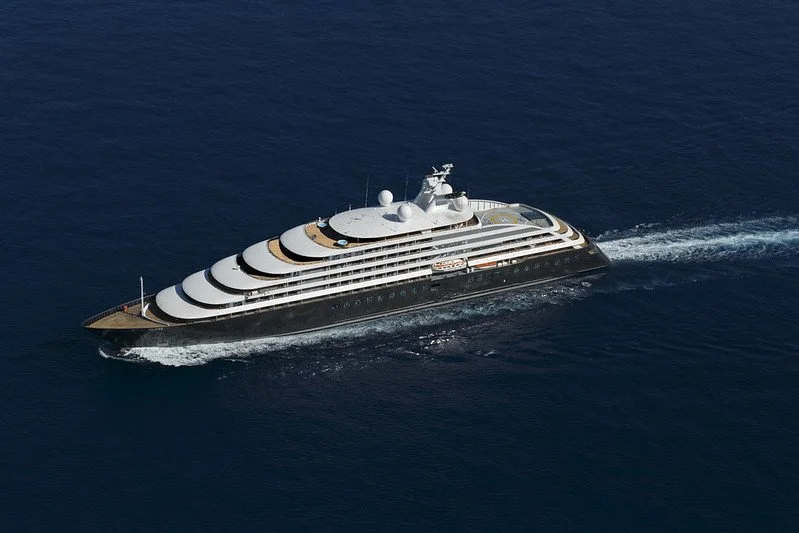
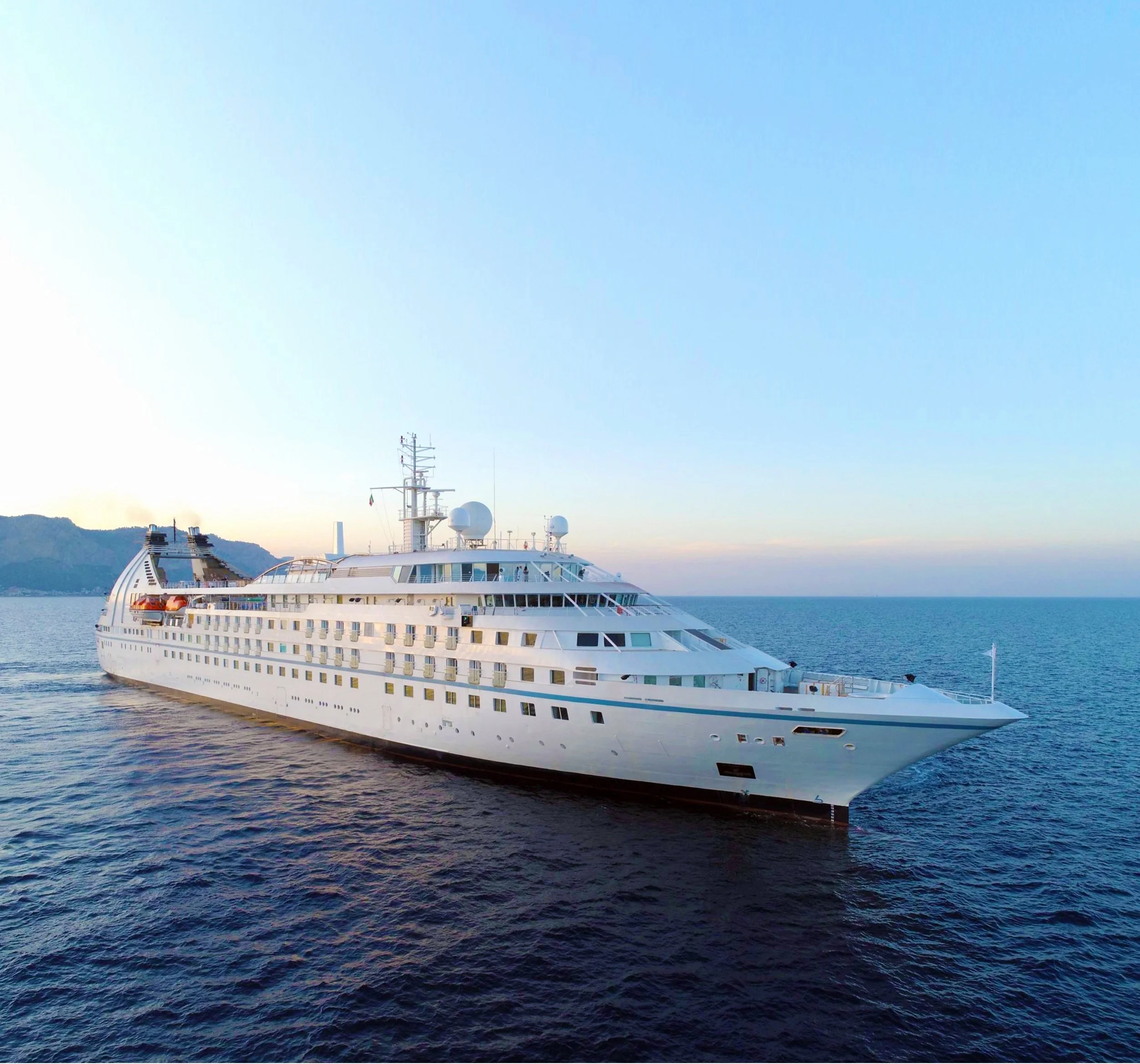
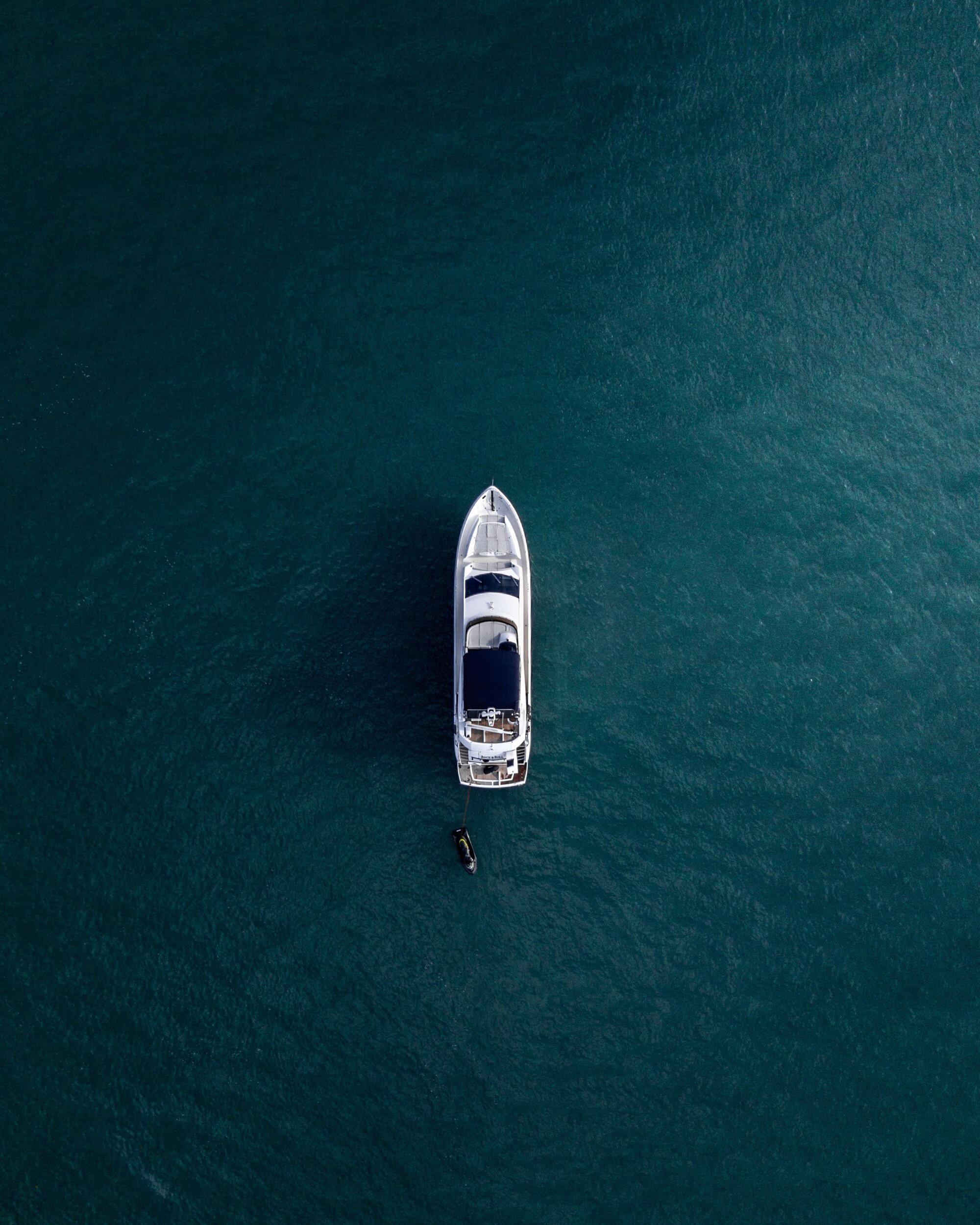
The ships are usually smaller than the enormous vessels operated by the major mainstream cruise lines. That means fewer passengers and a more intimate atmosphere. Rather than having thousands of people moving between restaurants, theatres, pools and entertainment venues, a luxury ship can feel much more like a small hotel or private yacht.
Service is another important part of the experience. Luxury cruise lines generally place greater emphasis on personalised service and attention to detail.
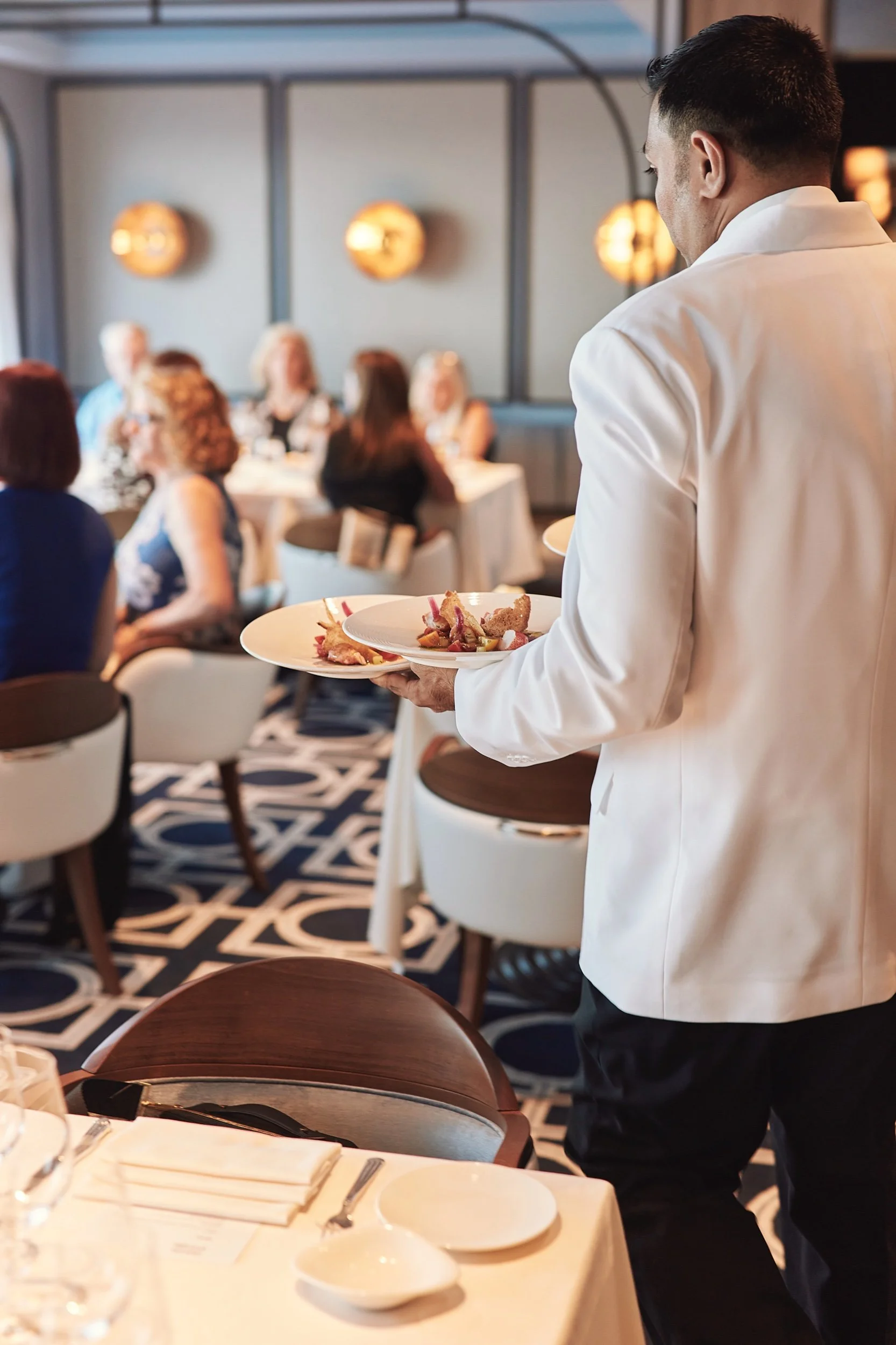
Dining is also central to the experience, with high-quality ingredients, fine wines and more intimate restaurants commonly forming part of the cruise.
Perhaps the biggest difference for someone accustomed to mainstream cruising is the number of things included in the fare.
A luxury cruise can initially look expensive when compared with a conventional cruise. However, the headline price does not always tell the whole story.
If drinks, Wi-Fi, speciality dining, gratuities and some excursions are already included, there may be considerably less to add once you are on board.
That is why comparing only the advertised price per night can give a misleading impression of the difference between luxury and mainstream cruising.
What is included on a luxury cruise?
This is one of the most important questions to ask before booking.
Luxury cruise fares often include considerably more than a standard cruise fare, but there is no universal list of luxury inclusions.
Some cruise lines are genuinely all-inclusive, while others include many extras but charge separately for certain excursions, experiences, flights or treatments.
Common inclusions can include:
Drinks
Wine, beer, spirits, cocktails, soft drinks, speciality coffees and bottled water are often included on luxury cruise lines.
The exact drinks included vary, however, particularly at the very top end of the wine and spirits lists.
If you normally buy a drinks package on a mainstream cruise, this can make a significant difference to the overall cost of your holiday.
Gratuities
Gratuities are commonly included in luxury cruise fares.
This removes one of the familiar parts of mainstream cruising where a daily service charge is added to your onboard account.
It does not necessarily mean that every purchase is free of a service charge. Spa and salon treatments, for example, can be treated differently.
Wi-Fi
Wi-Fi is increasingly included in luxury cruise fares, often with unlimited access.
That can be particularly useful on longer cruises, where buying an internet package separately on a mainstream ship can add considerably to the cost.
Speciality dining
On many luxury cruise lines, speciality restaurants are included rather than carrying the additional charge found on many mainstream ships.
This changes the way you can use the restaurants. Instead of deciding whether a restaurant is worth another £40, £50 or more per person, you can often choose between several dining venues as part of the cruise experience.
Room service
24-hour in-suite dining is available on some luxury cruise lines, with food delivered to your suite without the additional room-service charges that you may encounter elsewhere.
Laundry
Laundry facilities or laundry services can also form part of the package on some luxury lines.
This can be particularly useful on longer voyages when you are travelling with a smaller amount of luggage.
Shore excursions
This is where you need to look carefully at the individual cruise line.
Some luxury lines include excursions, some include selected excursions or credits, while others charge separately.
For example, Regent Seven Seas currently advertises unlimited shore excursions as part of its standard inclusions, while Silversea’s current Classic all-inclusive fare treats shore excursions separately, with an enhanced fare offering an excursion credit on eligible voyages.
Never assume that “luxury” automatically means every excursion is included.
Flights, hotels and transfers
At the most inclusive end of the luxury market, you may also find fares that include flights, pre-cruise hotel stays and transfers.
These inclusions can make a considerable difference to the real cost of the holiday.
They are also one reason why it is worth comparing the total holiday cost, rather than simply comparing cruise fares.
Is a luxury cruise all-inclusive?
This is one of the biggest misconceptions about luxury cruising.
Many luxury cruise lines offer highly inclusive fares, but the definition of all-inclusive varies.
One line might include drinks, Wi-Fi, gratuities and speciality dining but charge for excursions.
Another may include selected excursions.
Another may include flights and a hotel as well.
Even within the same cruise line, inclusions can vary according to the itinerary, accommodation and fare.
The safest approach is to look at the exact inclusions for the cruise you are considering rather than relying on the words “luxury” or “all-inclusive”.
How much does a luxury cruise cost?
Luxury cruises can cost considerably more than mainstream cruises, but there is no meaningful single average price.
The cost depends on:
Cruise line
Ship
Length of cruise
Destination
Time of year
Cabin or suite
Included flights and transfers
Included excursions
Fare type
Availability and demand
A seven-night luxury cruise and a seven-night mainstream cruise can therefore have dramatically different prices.
But the cruise fare is only part of the calculation.
Imagine comparing two seven-night cruises.
The first has a lower headline fare but requires you to add:
Drinks
Wi-Fi
Gratuities
Speciality dining
Some excursions
Transfers
The second has a higher fare but includes most of these.
The second cruise may still cost more overall, but the difference can be considerably smaller than the headline fares suggest.
This is why I recommend comparing what you will actually spend, rather than simply comparing the advertised cruise price.
Luxury cruise vs mainstream cruise
The biggest difference isn’t necessarily the quality of the ship. It is the way the cruise is designed and sold.
Ship and destination can both be major attractions This doesn’t mean that one style of cruising is right for everyone.
A family looking for waterslides, children’s clubs, Broadway-style shows and a huge choice of activities may deliberately choose a large mainstream ship.
A couple looking for fine dining, personal service and a quieter atmosphere may prefer a luxury ship.
There is also a substantial middle ground between the two.
If you are interested in the differences between cruise categories, my guide to premium vs mainstream cruising is a useful place to start.
What are luxury cruise ships like?
Luxury ships tend to concentrate on quality rather than sheer quantity.
You are unlikely to find the same collection of waterslides, amusement attractions and enormous entertainment complexes found on the world’s biggest mainstream ships.
Instead, the emphasis is generally on:
Elegant public spaces
Comfortable lounges
Fine dining
Smaller restaurants
Bars and wine venues
Pools and sun decks
Spa and wellness facilities
Enrichment programmes
Destination talks
Live music
Personal service
The atmosphere can be noticeably different.
There are usually fewer people competing for a table at breakfast or looking for a lounger around the pool.
You may also find that the ship itself becomes a quieter part of the holiday rather than the main attraction.
That does not mean there is nothing to do.
Luxury ships can have busy programmes of lectures, demonstrations, entertainment, fitness, cultural activities and destination-focused experiences. The difference is usually one of scale and style.
Luxury cruise cabins and suites
Accommodation is another area where luxury cruising can feel very different.
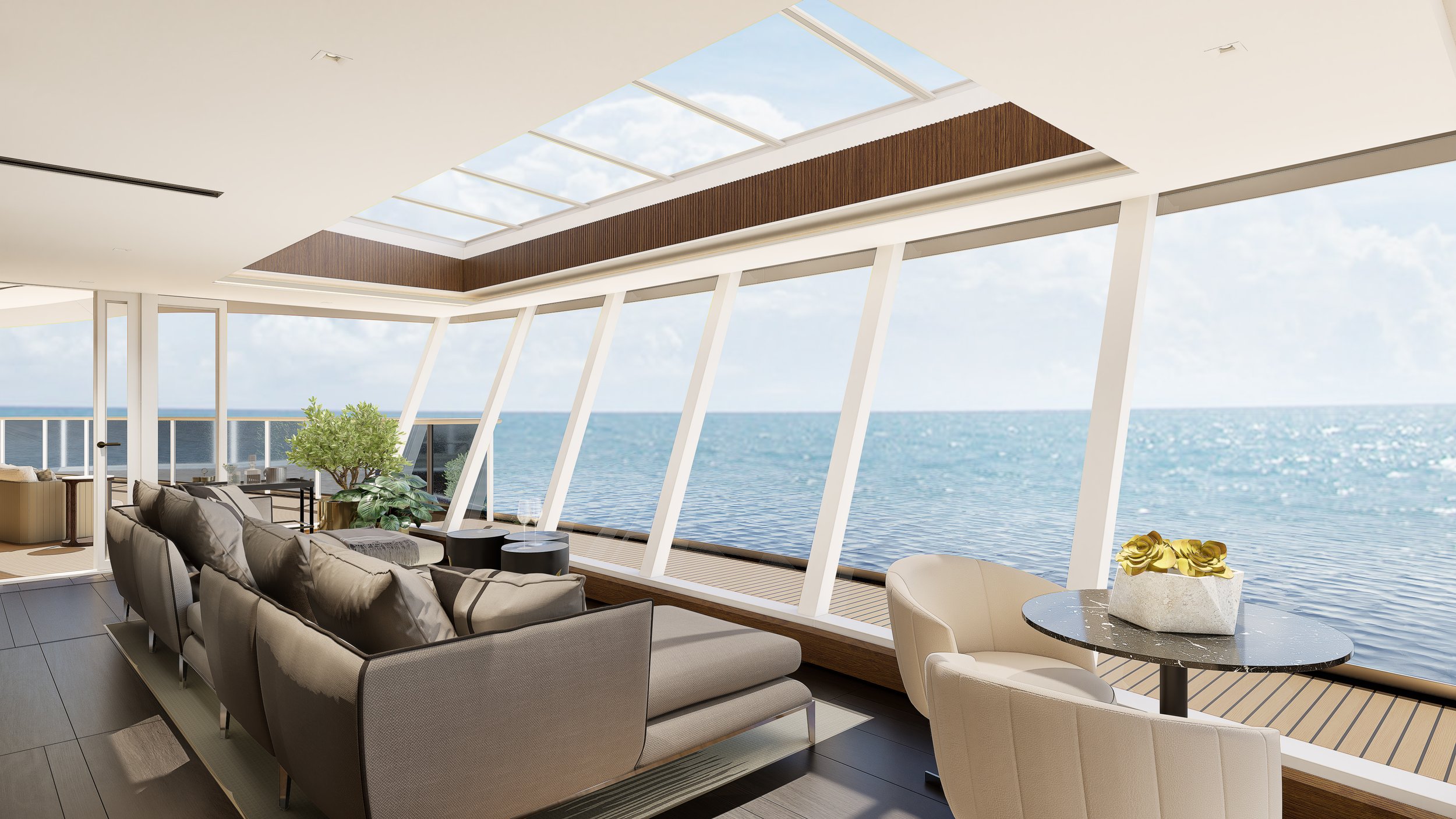
Suites are much more common in the luxury market, and even entry-level accommodation can be considerably more spacious than the smallest cabins found on large mainstream ships.
Depending on the cruise line and suite category, you may find:
Separate living areas
Larger balconies
Walk-in wardrobes
Larger bathrooms
Double vanities
Premium toiletries
Minibars
In-suite dining
Butler service
Priority embarkation and disembarkation
Concierge services
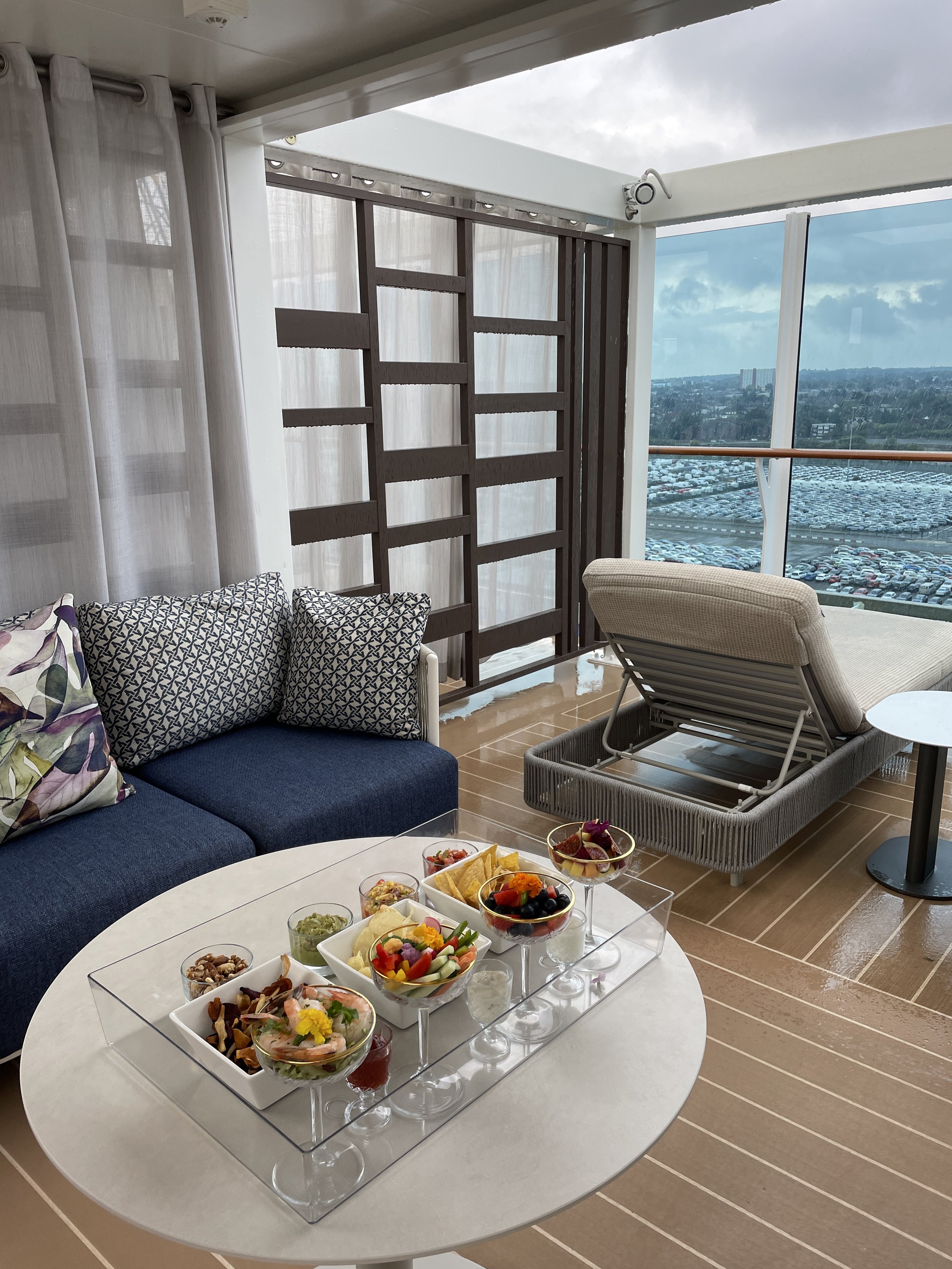
At the very top end, the suite can become almost a private hotel room at sea.
For some passengers, this is one of the biggest reasons to choose luxury cruising.
If you normally book a balcony cabin on a mainstream ship, it is worth comparing the amount of living space you receive rather than simply comparing the cabin names.
What is luxury cruise dining like?
Food is a major part of the luxury cruise experience.
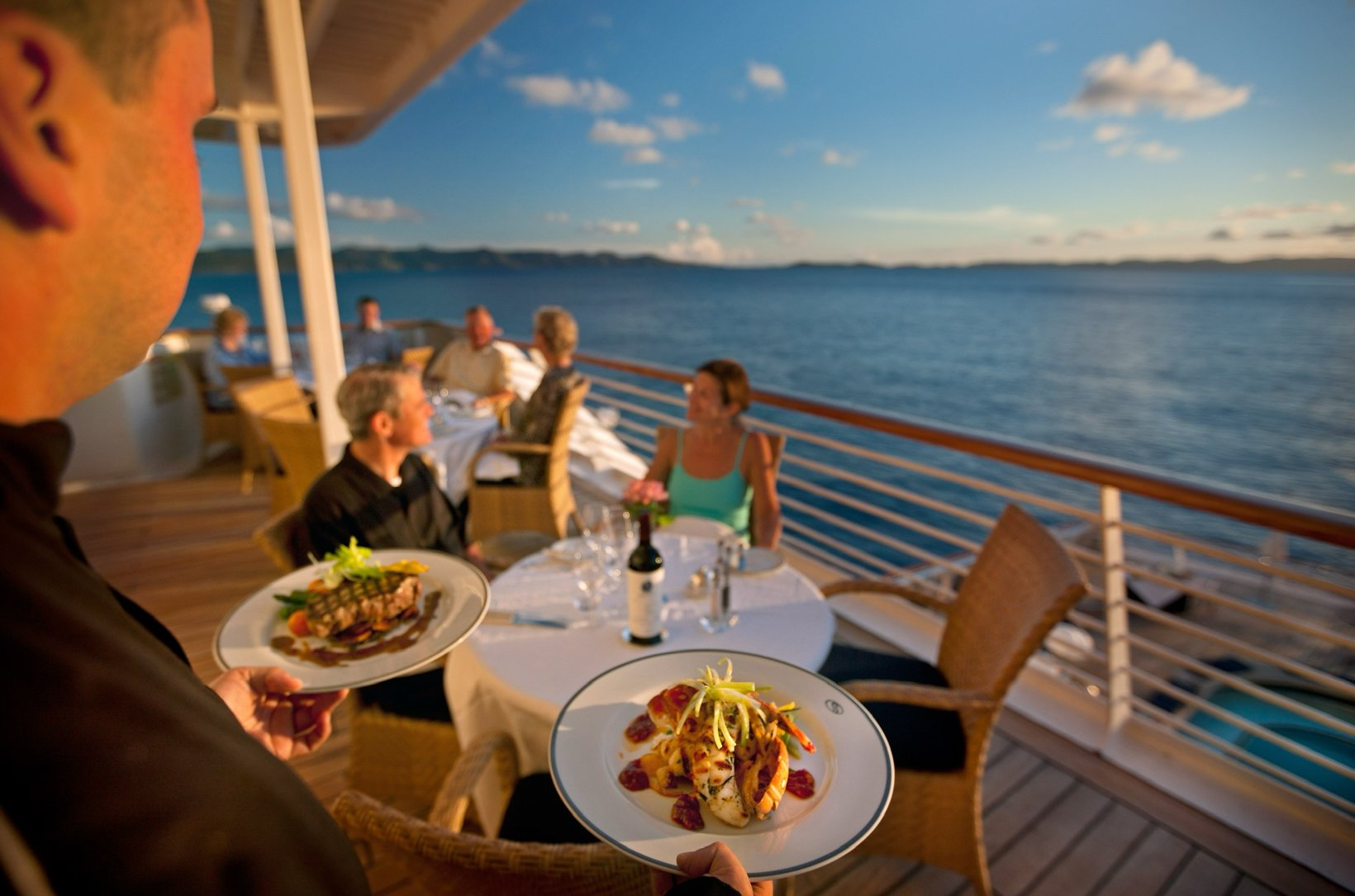
Most luxury cruise lines place considerable emphasis on the quality and presentation of their dining, with menus that can include fine dining, regional cuisine, speciality restaurants and destination-inspired dishes.
Another difference is the amount of choice that may be included.
On a mainstream cruise, you might have a complimentary main dining room and buffet, with speciality restaurants available for an additional charge.
On a luxury cruise, several restaurants may be included within the cruise fare.
That means you can choose where you eat without necessarily having to calculate the cost every time you book a table.
Wine and other drinks are also often part of the package.
The exact arrangement varies by cruise line, so check whether premium wines and spirits are included or whether the line operates different levels of drinks.
Do luxury cruises have formal nights?
One of the attractions of modern luxury cruising is that it can be elegant without being particularly formal.
Some luxury lines maintain a smart dress code for certain evenings, while others have moved towards a more relaxed approach.
There can still be occasions when guests dress up, particularly in the evening, but you should never assume that booking a luxury cruise means packing a suitcase full of formalwear.
Always check the dress guidance for your individual cruise line and itinerary.
If you are unsure what to pack, my cruise dress code guide explains the different approaches used across the cruise industry.
Is there entertainment on a luxury cruise?
Although there is entertainment on a luxury cruise , it may be different from that offered on a large mainstream ship.
You are less likely to find enormous theatre productions, huge activity decks and a dozen different entertainment venues.
Instead, luxury ships may concentrate on:
Live music
Small-scale performances
Guest speakers
Destination talks
Cultural presentations
Cookery demonstrations
Wine tastings
Art and history talks
Enrichment programmes
Evening entertainment in lounges
The smaller scale can make entertainment feel more intimate.
For passengers who enjoy learning about the destinations they are visiting, the enrichment programme can be as important as the evening show.
What destinations do luxury cruises visit?
Luxury cruising is not limited to the Mediterranean and Caribbean.
Luxury ships travel throughout the world, including:
Mediterranean
Northern Europe
Scandinavia
British Isles
Caribbean
Alaska
Asia
Australia and New Zealand
South America
Africa
Middle East
Antarctica
The Arctic
Smaller ships can also access ports that are unsuitable for the largest cruise vessels.
That can open up a different style of itinerary, with more time in smaller ports and less emphasis on the major cruise hubs.
Expedition cruising takes this even further, with voyages designed around destinations such as Antarctica, the Arctic and remote coastal areas.
Luxury cruising and longer stays in port
Luxury cruises can be particularly attractive if you are interested in the destinations rather than simply ticking off ports.
Some itineraries include longer stays or overnight calls, allowing passengers more time ashore.
This can make a considerable difference.
A port call from 8am until 5pm gives you a very different experience from arriving in the morning and remaining until late evening or the following day.
For destinations where restaurants, nightlife or evening events are part of the attraction, an overnight stay can be especially valuable.
Which are the main luxury cruise lines?
The luxury cruise market includes a wide range of brands, and they do not all offer exactly the same experience.
Some of the names you will encounter include:
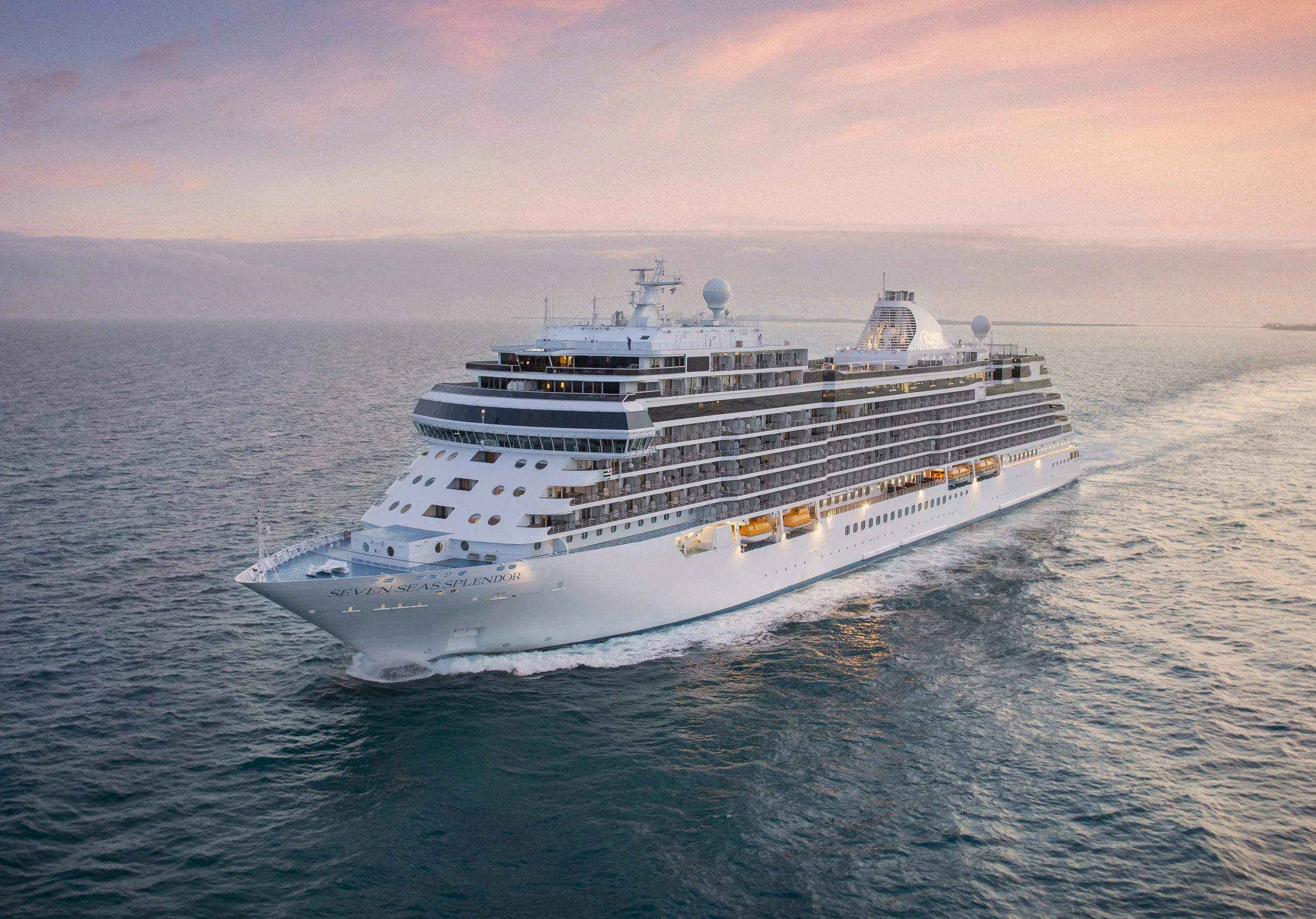
Regent Seven Seas Cruises
Regent is positioned at the highly inclusive end of the luxury market.
Its current standard inclusions include unlimited shore excursions, beverages, speciality dining, Wi-Fi, pre-paid gratuities, valet laundry and 24-hour in-suite dining. Higher suite categories can add benefits such as a personal butler.
Silversea
Silversea operates an intimate luxury fleet, including both classic ocean voyages and expedition cruises.
Its current Classic All-Inclusive fare includes butler-serviced suites, dining, unlimited wines and spirits, onboard gratuities and Wi-Fi. Excursions are handled separately, with an All-Inclusive Plus option offering excursion credit on eligible classic voyages.
Seabourn
Seabourn describes its experience as luxurious but relaxed, with intimate ships, ocean-front suites and personalised service.
Its current inclusions include premium spirits and wines, dining, Wi-Fi and gratuities, while selected shore experiences carry an additional charge.
Crystal
Crystal is another established name in luxury cruising, known for its emphasis on service, dining and sophisticated onboard surroundings.
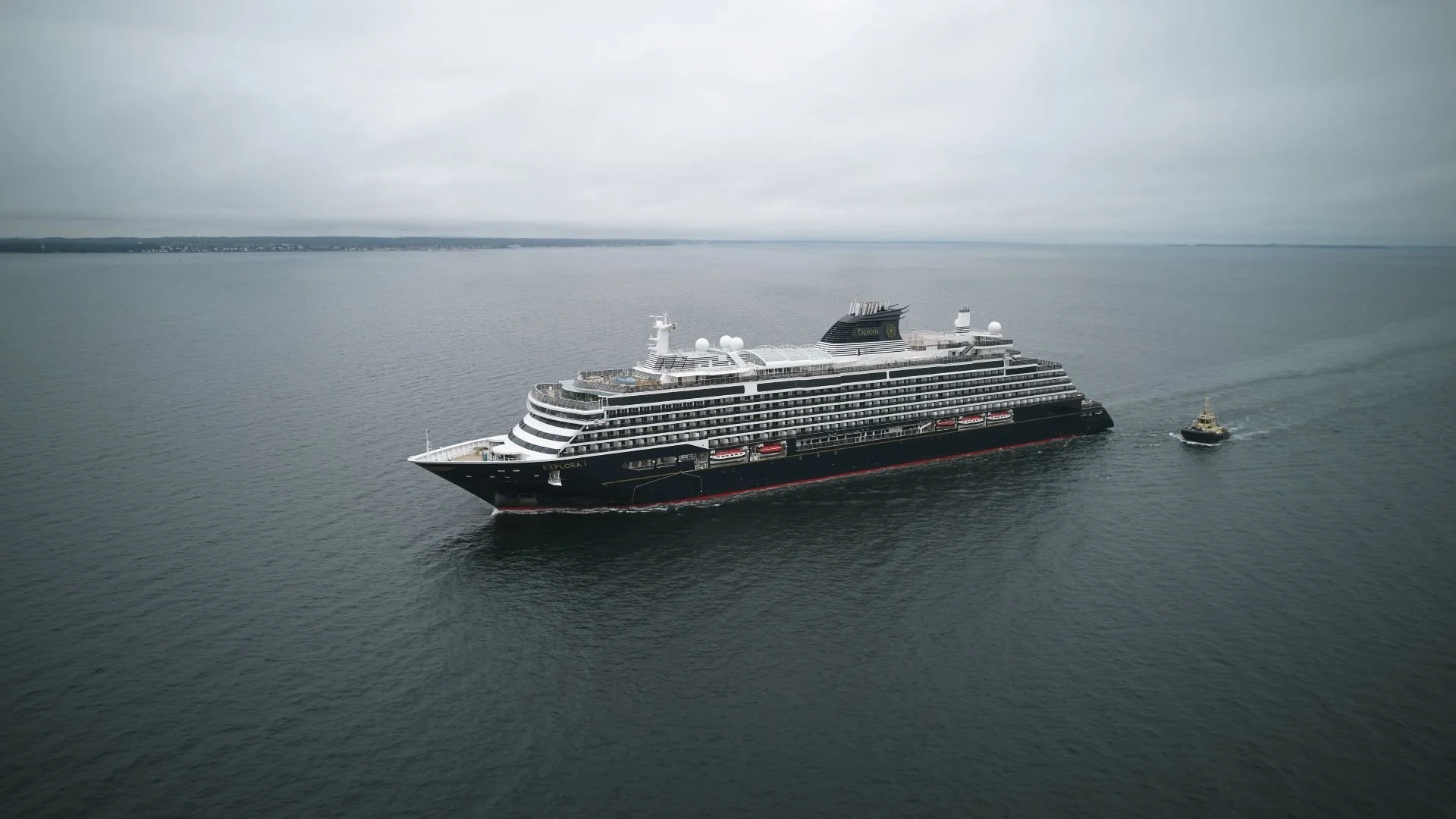
Explora Journeys
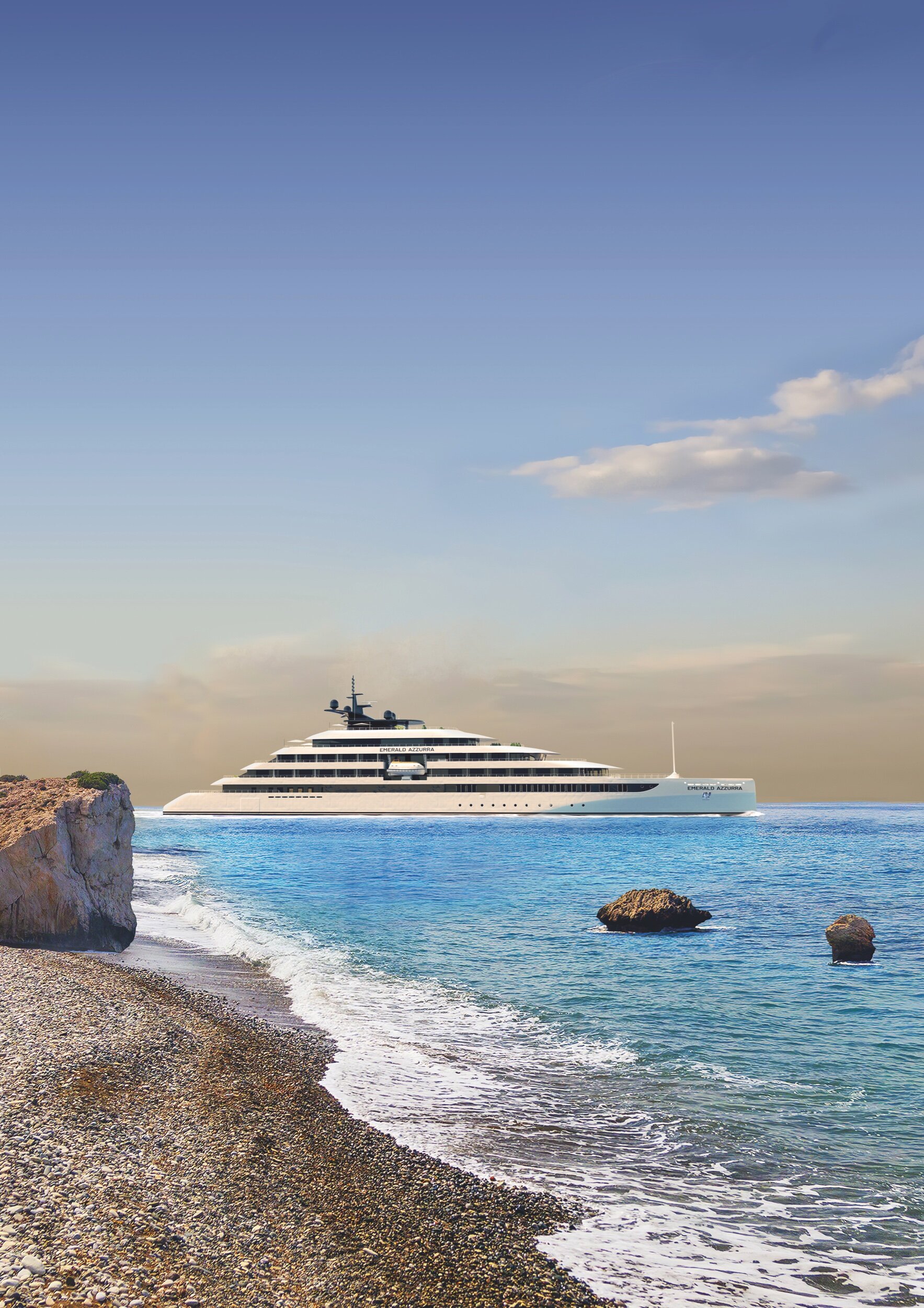
Explora Journeys represents a newer approach to luxury cruising, combining a yacht-inspired feel with a more contemporary hotel-style approach.
It is worth considering if the traditional image of luxury cruising - formal evenings, chandeliers and highly traditional interiors - does not appeal to you.
Scenic
Scenic operates both luxury ocean and expedition cruises, with an emphasis on inclusions and destination experiences.
Viking Ocean
Viking occupies an interesting position because it is generally considered more premium than ultra-luxury, but offers many features associated with higher-end cruising.
It is particularly known for its destination-focused approach and the absence of some of the traditional family-oriented attractions found on large mainstream ships.
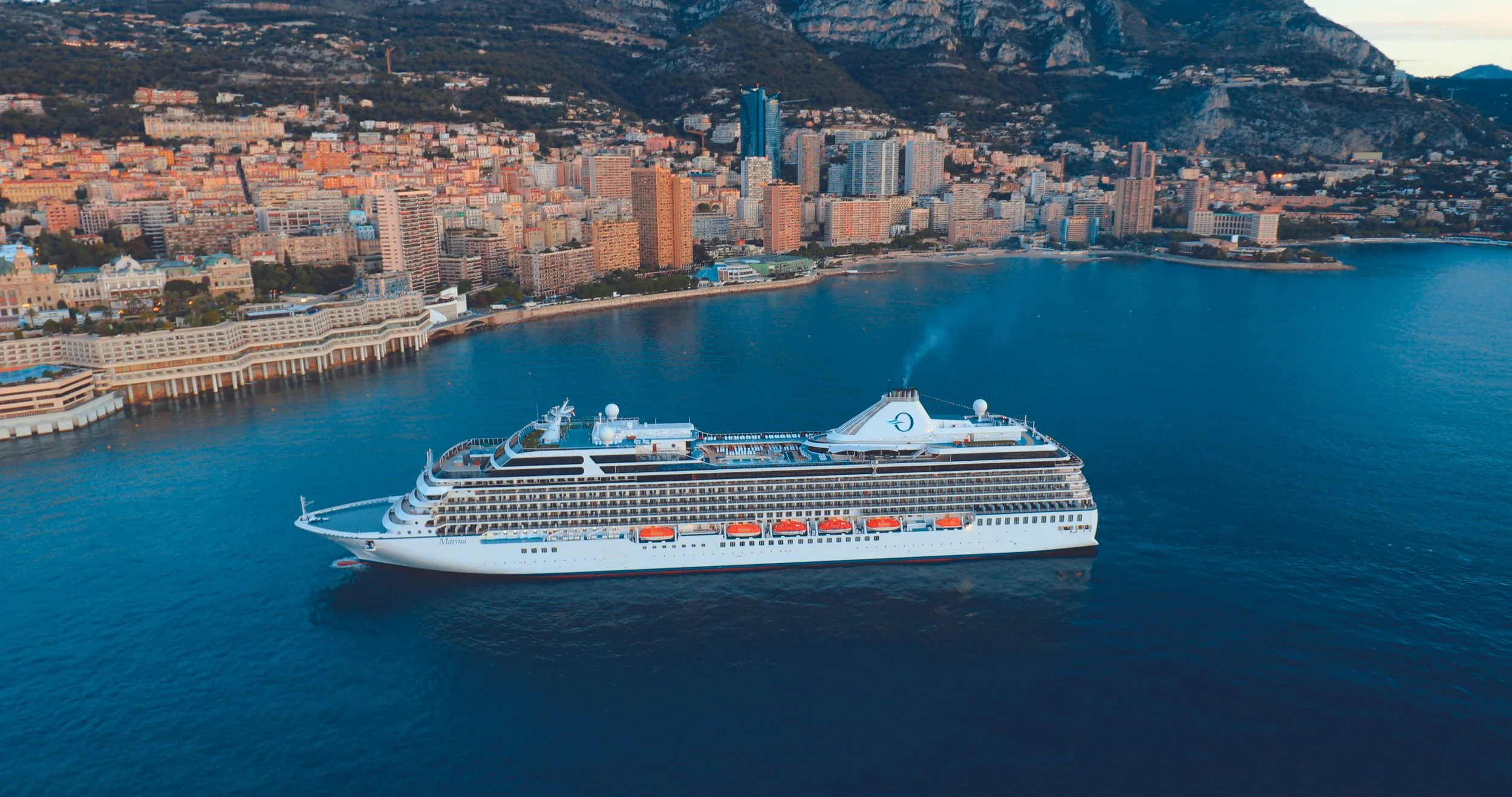
Oceania Cruises
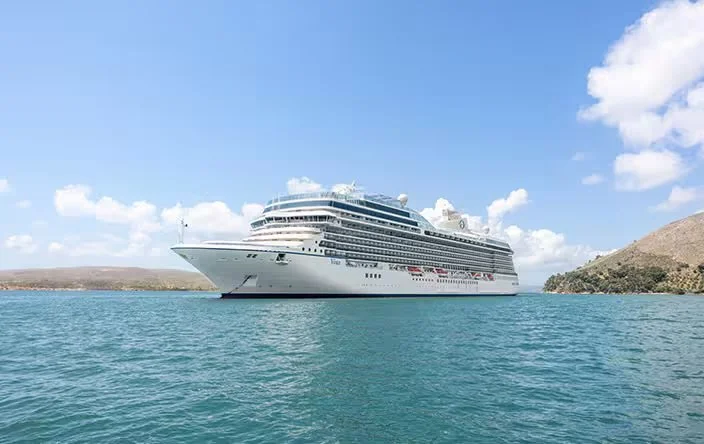
Oceania sits towards the premium/upmarket end of cruising and is particularly associated with food and dining.
It can therefore be an interesting option for someone who wants a more sophisticated experience but does not necessarily want the fully inclusive model of the most expensive luxury lines.
Is Cunard a luxury cruise line?
Cunard is an interesting example because it sits between the traditional premium and luxury markets.
Its Queens Grill accommodation offers a much more exclusive experience, with a dedicated restaurant and enhanced accommodation and service.
However, Cunard’s standard cruise fare does not operate in exactly the same way as the highly inclusive fares offered by some dedicated luxury lines.
For example, drinks packages, alternative dining, internet packages and other extras can still be charged separately. Cunard also applies a Hotel Charge rather than simply including all gratuities in the fare.
This is why it is useful to distinguish between a luxury experience within a mainstream or premium cruise line and a dedicated luxury cruise line.
What about luxury suites on mainstream cruise lines?
You do not necessarily have to move to a dedicated luxury cruise line to experience a more exclusive cruise.
Many mainstream and premium cruise companies have their own suite products.
Examples include:
Cunard’s Queens Grill
MSC Yacht Club
The Haven on Norwegian Cruise Line
Yacht Club-style accommodation on other large cruise brands
These products can provide benefits such as:
Larger suites
Dedicated restaurants
Exclusive lounges
Priority embarkation
Concierge services
Butler service
Private sun decks
This can be an interesting compromise for people who want luxury accommodation and service but still want access to a much larger ship.
It also illustrates why comparing cruise lines simply as “luxury” and “not luxury” can be too simplistic.
Luxury cruise vs premium cruise
The line between premium and luxury cruising is not always clear.
Premium cruise lines generally offer a more refined experience than mainstream cruising, but they may retain a broader range of onboard facilities and a less inclusive pricing structure.
Luxury cruising tends to put more emphasis on:
Personal service
Space
Smaller ships
Higher staff-to-guest ratios
Dining
Included drinks
Included gratuities
More inclusive fares
Destination experiences
There is plenty of overlap, though.
A premium cruise can be considerably more luxurious than a standard mainstream cruise, while a luxury cruise can be surprisingly relaxed and informal.
Are luxury cruises suitable for first-time cruisers?
A luxury cruise can be the ultimate introduction to cruising,although it is likely to influence future choices.
You do not need to have completed a dozen mainstream cruises before trying luxury cruising.
In fact, someone who has never cruised before may find the more personalised nature of a luxury ship particularly appealing.
There can be less of the initial overwhelm that comes with a huge ship carrying thousands of passengers.
You may also find that the crew have more time to help you understand how everything works.
The main thing to understand is that luxury cruising is not simply a more expensive version of mainstream cruising - It is a different holiday experience.
If you are completely new to cruising, my first-time cruiser guide covers everything from choosing a cabin to embarkation, sea days and what happens when you arrive at a cruise port.
Is a luxury cruise worth the money?
There is no universal answer because it depends on what you want from your holiday.
If your priority is the lowest possible cruise fare, a luxury cruise is unlikely to make sense.
But if you would normally spend money on drinks, speciality restaurants, Wi-Fi, gratuities, better accommodation and excursions, the calculation changes.
Luxury cruising can also appeal to people who value the things that are harder to put a price on:
More personal service
Fewer passengers
Less queuing
More space
A quieter atmosphere
High-quality food
A more relaxed onboard experience
Someone who loves the huge range of facilities on a Royal Caribbean or MSC mega-ship may actually prefer that experience.
Someone else may happily give up the waterpark and enormous theatre in exchange for a quiet ship, excellent food and a large suite.
The important thing is to compare the experience you want, not just the price printed at the top of the cruise advertisement.
How to compare the real cost of a luxury cruise
When comparing a luxury cruise with a cheaper cruise, make a list of everything you would normally pay for separately.
Start with the cruise fare
Add the advertised fare for your cabin.
Then add the extras
Consider:
Gratuities
Drinks
Wi-Fi
Speciality dining
Excursions
Transfers
Flights
Pre-cruise hotel
Laundry
Room service
Other onboard spending
Now compare that total with the luxury fare.
You may still find that the luxury cruise costs substantially more.
But you will have made a genuine like-for-like comparison.
This is particularly important when comparing a heavily discounted mainstream cruise fare with an apparently expensive luxury fare.
The cheapest cruise advertised is not necessarily the cheapest cruise for the holiday you actually want.
Who is luxury cruising best suited to?
Luxury cruising can particularly appeal to people who value:
Personal service
If having crew remember your preferences and being able to ask for help without joining a queue matters to you, luxury cruising may appeal.
Fine dining
Food can be one of the biggest reasons to choose a luxury cruise.
Space
If you dislike crowded public areas, a smaller ship can make a noticeable difference.
Included extras
Passengers who dislike constantly calculating what each drink, restaurant or internet session is going to cost may appreciate a more inclusive fare.
Destination immersion
Luxury and expedition ships can offer itineraries that focus heavily on the destination.
Longer cruises
The quieter environment and additional space can become particularly valuable on longer voyages.
Who might prefer a mainstream cruise?
Luxury isn’t automatically better for every passenger.
A large mainstream ship may be the better fit if you particularly enjoy:
Waterslides
Large entertainment venues
Children’s clubs
Teen facilities
Huge pools
Multiple activity areas
Extensive nightlife
Large shopping areas
Lots of speciality restaurants
Big-name entertainment
A lively atmosphere
Families in particular may prefer the sheer range of facilities available on a large ship.
This is why I would always recommend choosing the type of cruise that matches how you actually like to spend your holiday.
Luxury cruising for couples
Couples are a significant audience for luxury cruising because the smaller ships and quieter atmosphere can suit travellers looking for a more relaxed holiday.
There is generally less emphasis on family entertainment and more on dining, conversation, destination experiences and time together.
That can make luxury cruising particularly attractive for:
Anniversary trips
Milestone birthdays
Honeymoons
Special celebrations
Longer holidays
Multi-generational trips where different levels of accommodation are required
But luxury cruising is not exclusively for couples.
Solo travellers, friends and families also cruise on luxury lines.
Luxury cruising for solo travellers
Luxury cruising can work particularly well for solo travellers because the smaller environment can make it easier to get to know other passengers and crew.
Some luxury lines also offer solo-friendly accommodation or reduced single supplements on selected sailings.
Dining arrangements vary, so solo travellers should check how the line handles reservations and shared dining if meeting other guests is important to them.
Luxury expedition cruises
Expedition cruising takes the luxury concept into a very different environment.
Instead of cruising mainly between established resort destinations, expedition ships can travel to remote areas where the destination is the main attraction.
Antarctica is the obvious example, but expedition cruises also operate in the Arctic, Greenland, Alaska, South America and other remote regions.
Here, luxury can mean something slightly different.
You might have a beautiful suite, excellent dining and personal service, but the focus is also on getting ashore, exploring by expedition boat and learning from specialist guides.
For these cruises, the destination is very much part of the luxury experience.
What should you pack for a luxury cruise?
Despite the word “luxury”, packing does not necessarily mean taking formal eveningwear for every night.
The correct clothing depends on the cruise line.
For most luxury cruises, think:
Smart daytime clothing
Comfortable shoes for walking ashore
Smart-casual evening clothes
A jacket or smarter outfit where required
Swimwear
Sun protection
Layers for cooler destinations
Expedition cruises require a different approach, with specialist outdoor clothing and footwear often needed.
Always check the cruise line’s dress code and packing information before travelling.
Luxury cruise FAQs
What is classed as a luxury cruise?
A luxury cruise generally combines smaller ships, fewer passengers, personalised service, high-quality accommodation and dining, and a greater level of inclusions than mainstream cruising. There is no single industry-wide definition covering every cruise line.
Are drinks included on luxury cruises?
Drinks are commonly included on luxury cruise lines, but the exact range varies. Wine, beer, spirits, cocktails, soft drinks and speciality coffees may be included, while particularly expensive or rare drinks can be treated differently.
Are gratuities included on luxury cruises?
Many dedicated luxury cruise lines include gratuities in the cruise fare. Always check the specific terms of your sailing, as luxury, premium and suite products can have different arrangements.
Are excursions included on luxury cruises?
Not always. Some luxury cruise lines include excursions, some offer selected included excursions or excursion credits, and others charge separately. Check the inclusions for your particular fare.
Are luxury cruises all-inclusive?
Many luxury cruises are highly inclusive, but not every luxury cruise is completely all-inclusive. Flights, hotels, excursions, spa treatments and certain premium experiences may still cost extra.
Are luxury cruises worth the money?
That depends on what you value in a cruise. A luxury fare may include many things that are charged separately on a mainstream cruise, including drinks, Wi-Fi, gratuities and speciality dining. The best comparison is the total cost of the holiday and the type of experience you want.
Are luxury cruises formal?
Not necessarily. Some luxury cruise lines have smart or formal dress expectations on certain evenings, while others are much more relaxed. Check the individual cruise line’s current dress code before packing.
Are luxury cruises boring?
Luxury cruises can be quieter than large mainstream ships, but that does not mean there is nothing to do. Depending on the ship, you may find live entertainment, lectures, cultural talks, cookery demonstrations, wine tastings, fitness classes and destination-focused activities.
Are luxury cruises suitable for families?
Some luxury lines welcome families, while others are more strongly aimed at adults. If children’s facilities are important to you, check the individual ship carefully because the range can be much smaller than on a large mainstream cruise ship.
What is the difference between luxury and premium cruises?
Premium cruises generally sit between mainstream and luxury cruising. They can offer better accommodation, dining and service than a mass-market cruise, while luxury lines generally place greater emphasis on smaller ships, personalised service and inclusive fares.
Which is the most luxurious cruise line?
There is no single objective answer. Luxury cruise lines have different strengths and approaches, and the level of luxury can also vary by ship, suite and itinerary. It is more useful to compare what each line includes and the type of experience it provides.
Can you get a luxury experience on a mainstream cruise ship?
Yes. Many large cruise lines have exclusive suite areas or ship-within-a-ship products that offer upgraded accommodation, private restaurants, lounges, concierge services and other benefits while still giving passengers access to the larger ship.
Do luxury cruises have balconies?
Many luxury ships offer balconies, and suites with private outdoor space are common. However, accommodation varies considerably between ships, so always check the deck plan and specific cabin category before booking.
Are luxury cruises suitable for first-time cruisers?
Yes. You do not need previous cruise experience to book a luxury cruise. In fact, the smaller ships and more personalised service can be particularly appealing if you are nervous about trying a cruise for the first time.
The Lowdown
Luxury cruising isn’t simply about having a more expensive cabin.
The real difference is the overall experience.
A luxury cruise can combine a smaller ship, fewer passengers, highly personalised service, excellent food and a much more inclusive fare.
But luxury means different things to different people.
If you love the excitement and sheer choice offered by a huge mainstream ship, moving to a small luxury vessel may not automatically make your holiday better.
On the other hand, if you value space, service, food and the convenience of having many of your holiday costs included from the outset, luxury cruising can be a very different proposition.
The most useful way to compare the two is to work out what you would actually spend on your preferred mainstream cruise and then compare the complete holiday, rather than simply looking at the starting fare.
And remember that there is a whole spectrum between budget cruising and ultra-luxury. Premium cruise lines, suite products and newer luxury brands mean you do not necessarily have to jump from one end of the market to the other.