
First Time Cruise Guide (UK): What to Expect & How Cruises Work
The complete first time cruise guide for UK travellers, explaining exactly how cruises work, what’s included, how much they cost, and what to expect onboard. This hub brings together everything you need to confidently plan your first cruise, from booking and embarkation to life at sea and port days.
Cruising is one of the easiest travel experiences for first time travellers once you understand how it works. A cruise holiday lets you unpack once while visiting multiple destinations, combining accommodation, transport, dining, and entertainment in one floating resort experience.
This guide is designed to remove uncertainty and answer the most common first time cruise questions, whether you are booking your first cruise or deciding if cruising is the right holiday for you.
New to Cruising? Start Here

What is a cruise holiday?
A cruise holiday is a fully packaged travel experience where you stay on a ship that travels between destinations while you sleep, eat, and relax onboard.
This means your accommodation, transport, dining, and entertainment are all combined into one floating holiday.
How is a cruise different from a hotel holiday?
Unlike a hotel holiday:
Your accommodation moves with you between destinations
You only unpack once for the entire trip
Most meals, entertainment, and facilities are included
You visit multiple countries without changing hotels
What is a cruise ship like?
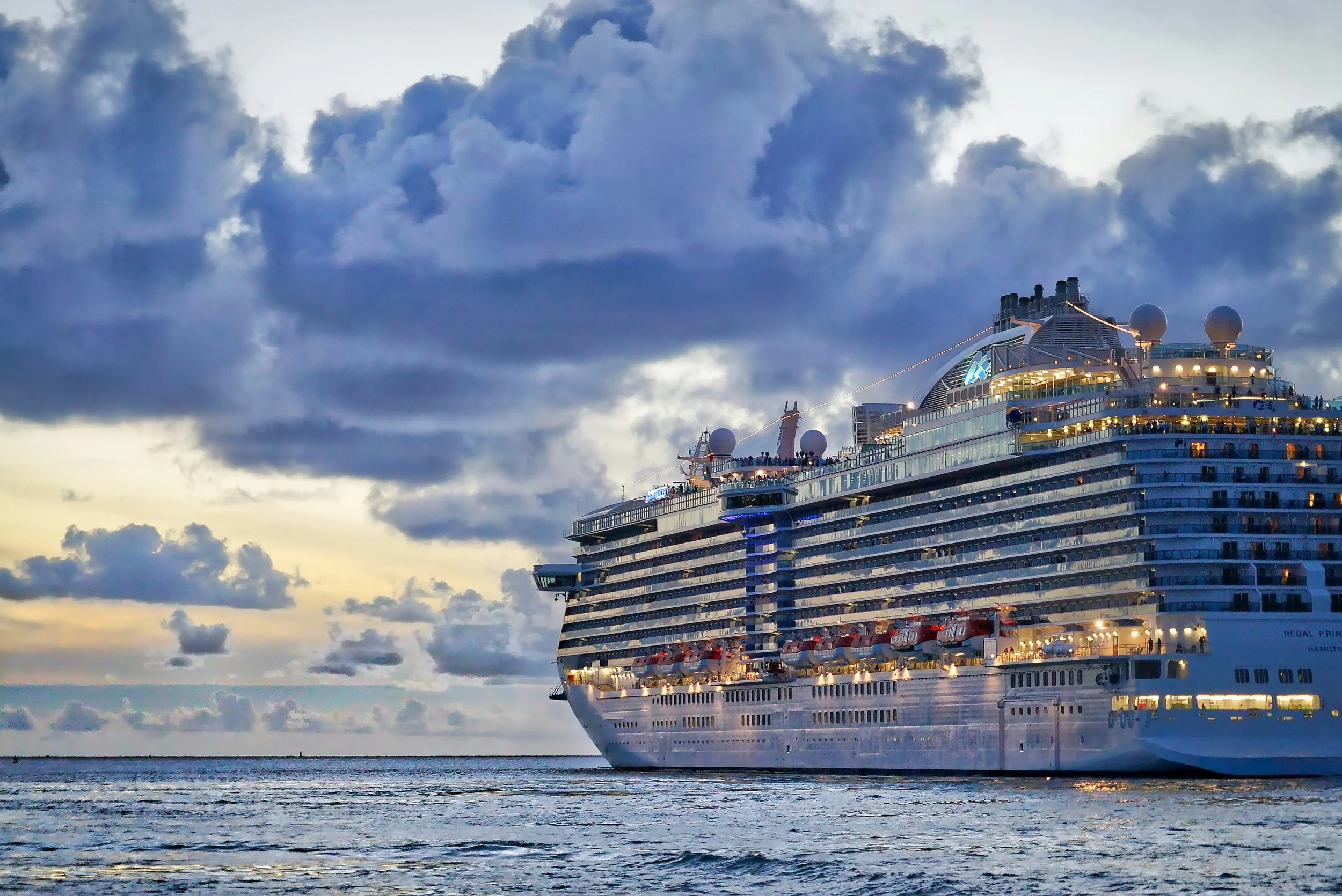
Cruise ships are often described as floating resorts. In reality, they are closer to a multi-destination hotel with built-in transport and entertainment, allowing you to travel without the stress of logistics.
Why choose a cruise holiday?
A cruise holiday is popular because it offers convenience, variety, and simplicity in one trip.
Key benefits:
Unpack once and travel multiple destinations
Wide range of onboard dining and entertainment
Easy way to see multiple countries in one holiday
Suitable for couples, families, and first-time travellers
How a Cruise Works: Step-by-Step from Booking to Disembarkation
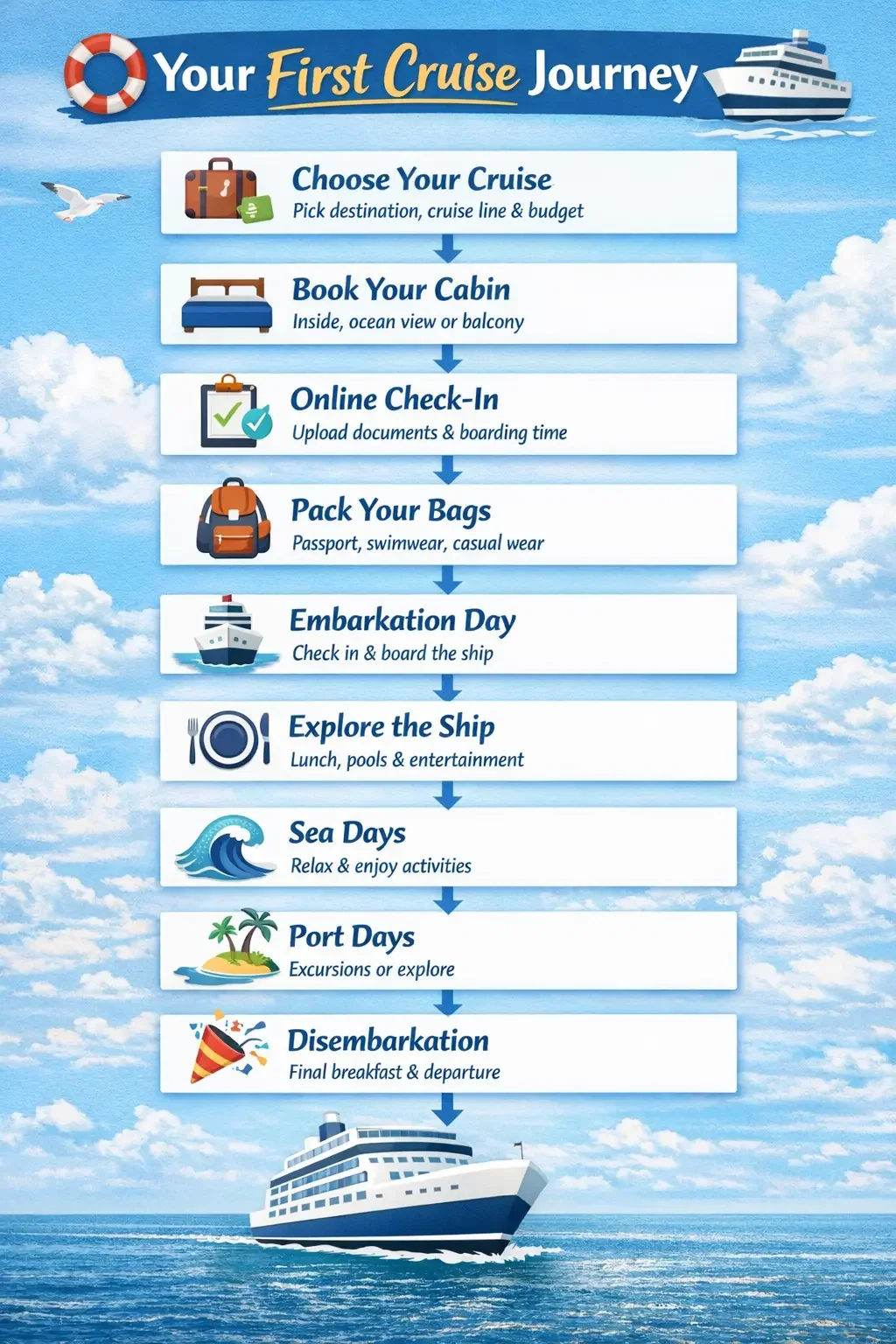
The Cruise Journey at a Glance
Follow the journey from booking your cruise to returning home so you know exactly what to expect at every stage.
Book your cruise → Plan your trip → Check in online → Embarkation day → Life onboard → Port days → Disembarkation
After boarding, you’ll settle into your cabin, explore the ship, enjoy life onboard, visit ports and finally disembark at the end of your cruise.
How does a cruise work step by step?
A cruise works through five main stages: booking, pre-cruise planning, embarkation, onboard life, and disembarkation.
Step 1: Booking your cruise
You choose your cruise line, ship, cabin type, duration, and destination.
Prices vary depending on:
Cruise line style
Ship size
Cabin category
Time of year
Why this matters:
This decision determines the overall style, atmosphere, and cost of your cruise.
Step 2: Pre-cruise planning
Before you travel, you may need to arrange travel insurance, flights, transfers, and check passport requirements.
You may need to:
Book flights for fly-cruises
Arrange port transfers
Check passport validity
Complete online check-in
UK cruises often depart from Southampton, while fly-cruises leave from cities such as Barcelona, Rome, Athens, or Miami.
Why this matters:
Most first-time cruise stress happens before you board, not onboard.
Step 3: Online check-in
Before departure, you complete your cruise line check-in online.
This usually includes:
Passport details
Emergency contact information
Onboard account setup
This process speeds up embarkation and helps reduce queues at the port.
Why this matters:
Completing check-in early makes boarding faster and smoother.
Step 4: Embarkation day (boarding the ship)
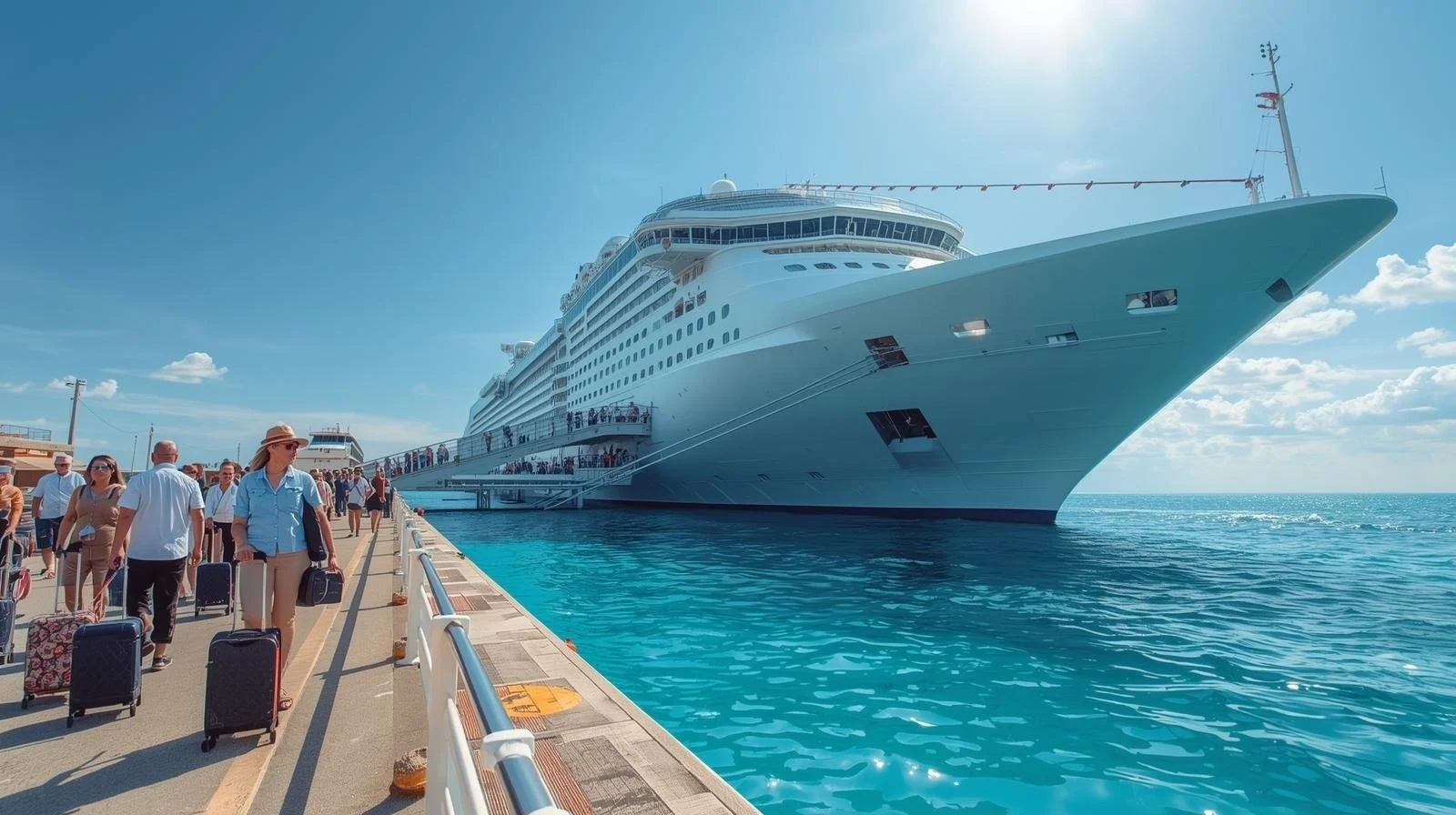
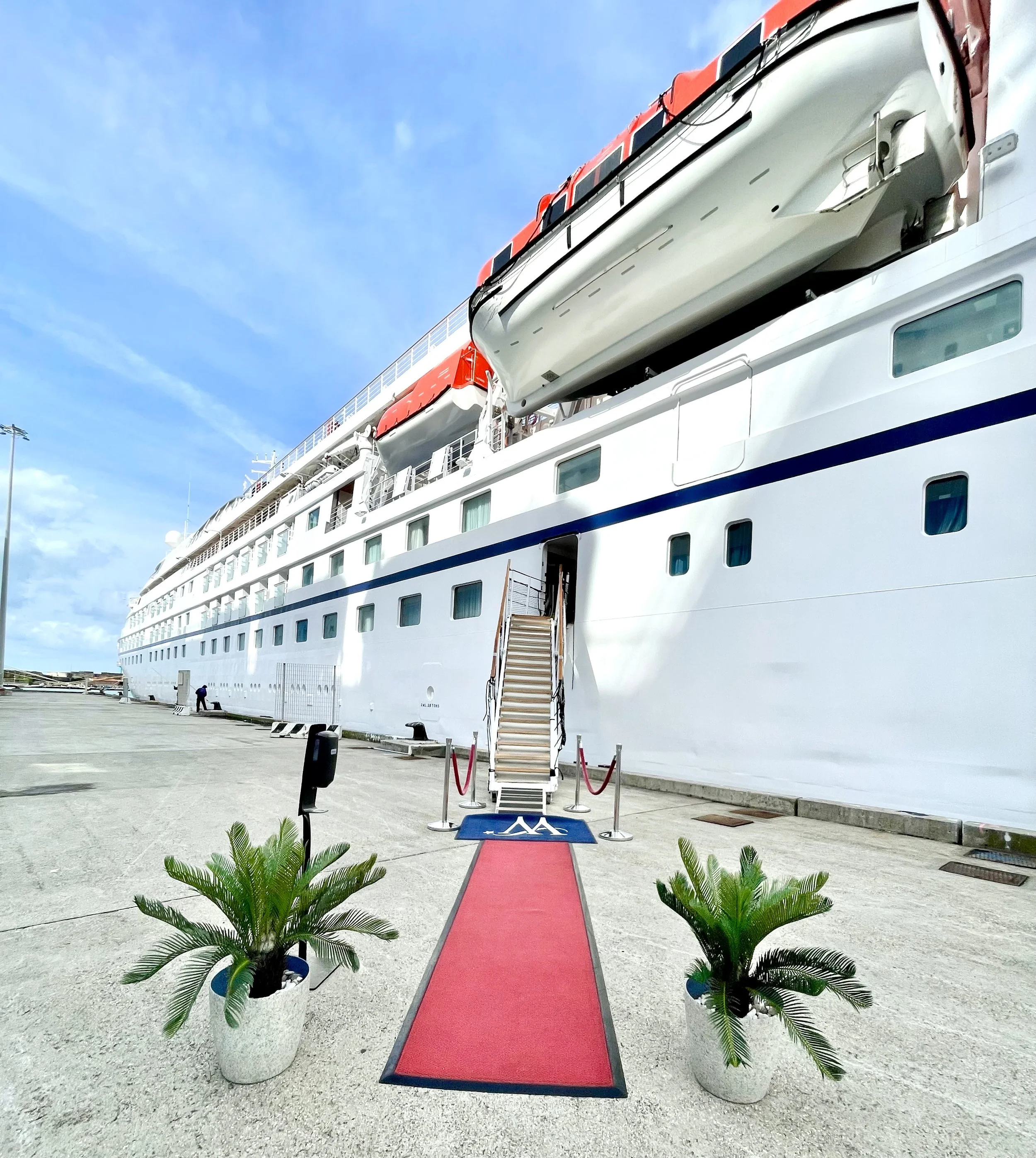
Embarkation day is the process of boarding your cruise ship at the port.
On arrival, you will:
Drop off your luggage at the terminal
Pass through security and document checks
Board the ship
Receive your cruise card (used as your key and onboard payment card)
Most ships allow guests to explore public areas immediately, even if cabins are not ready yet.
Why this matters:
Embarkation is more structured and organised than most first-time travellers expect.
Read on for more details on Embarkation.
👉 Read next: Embarkation Day Guide: What Really Happens Step-by-Step
Step 5: Your first few hours onboard
What happens when you first get on a cruise ship?
The first few hours onboard are often the most exciting. Although many first-time cruisers worry about finding their way around, the process is straightforward and well organised.
You will usually:
Explore the ship and get your bearings
Enjoy lunch in the buffet or a casual restaurant
Relax by the pool or in one of the lounges
Attend the mandatory safety drill (muster drill)
Why this matters:
Taking time to explore on your first afternoon makes it much easier to find restaurants, entertainment venues and your cabin later in the cruise.
Step 6: Life onboard the cruise ship
What is a typical day on a cruise like?
Every cruise is different, but most days follow a relaxed routine that combines dining, activities and free time. You can be as busy or as relaxed as you like.
A typical cruise day may include:
Breakfast with sea views
Shore excursions or sea day activities
Lunch at a buffet or restaurant
Time by the pool, in the spa or enjoying onboard activities
Evening dining
Theatre shows, live music or nightlife
Why this matters:
There is no fixed schedule. Apart from returning to the ship on time in port, you are free to plan each day at your own pace.
Step 7: Port days
What happens when a cruise ship arrives in port?
When your ship docks, you can decide how to spend your day. Most passengers either explore independently or book a shore excursion, while others enjoy the quieter atmosphere onboard.
Your options include:
Join an organised shore excursion
Explore independently at your own pace
Stay onboard and enjoy quieter pools, restaurants and spa facilities
Why this matters:
You don’t have to leave the ship in every port. Many experienced cruisers choose to stay onboard occasionally to make the most of the facilities.
Tip: Always check the ship’s all aboard time rather than the departure time. The ship cannot wait for late passengers.
Step 8: Disembarkation
What happens on the last day of a cruise?
Disembarkation is the process of leaving the ship at the end of your holiday. It is organised in stages to help passengers leave smoothly.
Before you leave:
Pack your luggage the evening before if required
Leave checked luggage outside your cabin at the instructed time
Enjoy breakfast before your allocated departure time
Pass through customs and leave the terminal
Why this matters:
The final morning is usually much quicker and simpler than first-time cruisers expect, especially if you’ve followed the cruise line’s instructions.
First Time Cruiser Decision Guide (Choose Your Cruise Style)
Choosing the right cruise line matters more than choosing the destination.
Step 1: Choose the Right Cruise
Not all cruises are the same.
Some focus on entertainment and family fun, while others offer adult-only relaxation, expedition adventures or luxury experiences.
Consider:
Budget
Destination
Length of cruise
Cruise line
Time of year
Departure airport
Included drinks and extras
WHAT TYPE OF CRUISE DO YOU WANT?
I want something easy and stress-free
Choose simple itineraries with UK-friendly cruise lines.
👉 Best options:
short Mediterranean cruises
Canaries cruises
Southampton departures
🌴 I want sun, relaxation, and simplicity
Focus on warm-weather itineraries:
Spain
Italy
Greek Islands
Canary Islands
🎉 I want entertainment and activities
Look for large resort-style ships with:
water parks
theatres
multiple restaurants
sports and activities
🧘 I’m worried I won’t like cruising
Choose:
mid-size ships
itineraries with frequent port stops
cabins mid-ship for stability
👨👩👧 I’m travelling with family
Look for:
kids’ clubs
family cabins
flexible dining
For more information see: Family Cruising Guide
Read next:
➡️ Best Cruise Lines for First-Time Cruisers
Step 2: Choose Your Cabin
Cabins fall into four main categories:
Inside
Ocean View
Balcony
Suites
Many first-time cruisers assume they won’t spend much time in their cabin, but a balcony can become your favourite place onboard.
Equally, an inside cabin can offer excellent value if you’re planning to spend most of your time exploring the ship.
Step 3: Before You Sail
Several weeks before departure you’ll complete online check-in and receive boarding documents.
You’ll also need to think about:
Travel insurance
Passports
ESTA or visas where required
Parking or airport transfers
Luggage labels
Excursions
Getting organised before you leave home makes embarkation day much smoother.
Read Next:
Best Cruise Lines for First Time Cruisers (UK Guide)
Choosing the right cruise line determines your entire experience.
UK-friendly cruise lines
Traditional cruising style with strong UK appeal. Ideal for first-timers wanting familiarity and simplicity.
All-inclusive pricing, relaxed atmosphere, and simple onboard experience.
Best for entertainment, activities, and modern resort-style ships.
Lifestyle cruise option
No buffets, adults-only, modern dining and entertainment style.
Premium cruise lines
Celebrity Cruises (modern premium)
Princess Cruises (traditional premium)
Cunard (classic British ocean liner experience)
👉 Read next: Best Cruise Lines Compared (2026 Guide)
How Much Does a Cruise Cost? (UK 2026 Guide)
Cruise pricing is often misunderstood because the base fare doesn’t include everything.
Typical cruise prices (per person)
Short cruise (3–5 nights): £300–£700
7-night Mediterranean cruise: £600–£1,200
Premium cruise lines: £1,200–£2,500
Luxury cruises: £3,000+
What affects cruise pricing
cabin type (inside vs balcony)
cruise line
season (summer = higher)
itinerary popularity
departure port
Hidden costs most first-timers miss
Drinks
£3–£12 per drink depending on cruise line (and drink)
Shore excursions
£40–£150 per port
Gratuities/service charges
£7–£15 per person per day (varies - sometimes included)
Wi-Fi
Often sold as daily or weekly packages
Specialty dining
£20–£80 per person per venue
Realistic total cruise budget example (7 nights)
Cruise fare: £900
Drinks: £250
Excursions: £300
Extras: £150
👉 Total: ~£1,600 per person
Embarkation Day Explained
Embarkation is simply the day you board the ship.
After checking in at the terminal, you’ll pass through security before walking onto the ship for the first time.
Most cabins aren’t immediately available, so many passengers head straight to lunch or explore the decks while luggage is delivered.
It’s often the most exciting day of the cruise.
Read Next:
➡️ What to Expect on Cruise Day
What Is Included on a Cruise?
Cruises are best described as semi-inclusive holidays (with some exceptions, usually luxury lines, which are fully all-inclusive).
Usually included:
✔ Accommodation
✔ Main dining restaurants
✔ Buffet restaurants
✔ Entertainment
✔ Swimming pools
✔ Fitness facilities
✔ Children’s clubs
✔ Transport between destinations
Usually extra:
drinks
excursions
Wi-Fi
specialty dining
spa treatments
gratuities
Always check what’s included before booking.
What Happens in Cruise Ports?
Port days are flexible and optional.
Option 1: Cruise excursions
Organised trips with transport and guides.
Option 2: Independent exploration
Walk off the ship and explore freely.
Example destinations:
Barcelona → city sightseeing by Hop On Hop Off bus
Palma → cathedral & old town
Mykonos → beaches & village walks
Life Onboard
Dining
Most ships offer multiple dining venues.
You can choose between buffets, waiter service restaurants and speciality dining.
One of the biggest surprises for new cruisers is just how much food is available throughout the day.
Entertainment
Modern cruise ships feature:
West End-style shows
Comedy
Live music
Quiz nights
Silent discos
Cinema
Guest speakers
Deck parties
There is usually something happening from morning until late evening.
Sea Days
Sea days are often where first-time cruisers discover why so many people become addicted to cruising.
There is no pressure to do anything.
Sleep late, read by the pool, enjoy a spa treatment, watch the ocean or join an activity.
Many experienced cruisers say sea days become their favourite part of the holiday.
Read Next:
➡️ 10 Things To Do On A Sea Day and Sea Days Guide
Port Days
Every cruise includes opportunities to explore destinations independently or through organised excursions.
Some passengers book official tours while others simply wander local towns or spend the day at the beach.
Always ensure you return before the published all-aboard time - the ship will not wait for late independent travellers.
What to Pack for Your First Cruise
Rule 1 - Don’t overpack!
Cruise packing is about versatility rather than volume. Most cruises are surprisingly casual during the day.
Essential items
Passport
Travel insurance documents
Comfortable walking shoes
Swimwear
Evening outfits
Chargers and adapters
Cruise-specific essentials
Light jacket for evenings
Smart outfit for formal night (if applicable)
Small backpack for port days
Medication (including seasickness tablets if needed)
Common packing mistakes
Overpacking formal wear
Forgetting port comfort shoes
Bringing too many “just in case” items
👉 Read next: Cruise Packing Checklist (Printable Guide)
Many cruise lines no longer require formal dress every evening, if at all.
Read Next:
First Time Cruise Fears (and the Reality)
“I’ll feel trapped”
Ships are large with open decks, promenades, and multiple venues.
“I’ll get bored”
Cruise ships operate like resorts with daily entertainment schedules.
“I won’t fit in”
Cruises attract a wide mix of travellers — not one type.
“I’ll do something wrong”
Cruising is designed for simplicity. Everything is guided.
Common First Time Cruise Mistakes
Booking without checking port distances
Underestimating onboard spending
Overpacking
Missing embarkation deadlines
Not researching cruise line style
Read next:
➡️ How To Behave On A Cruise-The Unspoken Rules
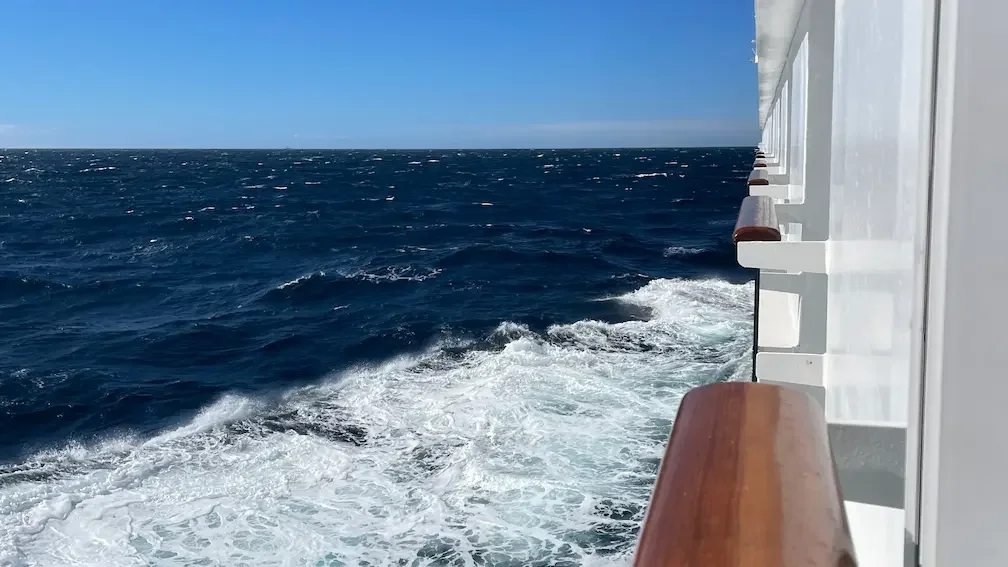
Will I Get Seasick? (Honest Answer)
Most first-time cruisers never experience seasickness.
Modern ships use stabilisers that reduce movement significantly.
Most passengers experience little or no motion, although medication or wristbands can help if you’re concerned.
When seasickness is more likely:
rough Atlantic crossings
small ships
upper-deck cabins
How to prevent it:
choose mid-ship cabins
stick to Mediterranean routes
use medication if sensitive
keep fresh air and focus on the horizon
👉 Read next: Do Cruise Ships Rock? Full Seasickness Guide
Other Common First-Time Cruise Questions
Is cruising good for beginners?
Yes, it is one of the easiest holiday types once understood.
What is the best cruise length for first timers?
7 nights is ideal.
Do cruise ships have Wi-Fi?
Yes, usually for an additional cost.Luxury lines often include WiFi, while mainstream lines usually charge extra unless purchased in advance.
Are Drinks Included?
Tea, coffee, water and juice are generally included.
Alcoholic drinks often cost extra unless your fare includes a drinks package.
Are Gratuities Compulsory?
Policies vary between cruise lines.
Some include gratuities, while others automatically add a daily service charge.
Can I Leave the Ship and get off in every port?
Yes. Yes, unless restricted for safety or docking reasons.
Is cruising safe?
Yes, cruise ships are highly regulated and very safe.
Can I bring alcohol onboard?
Depends on cruise line policies.
What happens if I miss the ship in port?
The ship will leave; you are responsible for rejoining at next port.
Do I need formal clothes?
Some ships have smart evenings but not all require formalwear.
The Lowdown
Everyone remembers their first cruise.
There may be unfamiliar terminology and a few things to learn before departure, but the experience itself is remarkably straightforward. Once onboard, everything is designed to make your holiday as effortless as possible.
Many first-time cruisers step onto the ship feeling slightly nervous and leave a week later wondering when they can book their next voyage.
If you’re just starting your cruise journey, use this hub as your starting point, explore the guides linked throughout and enjoy the excitement of planning your first adventure at sea.
Useful Articles for First-Time Cruisers







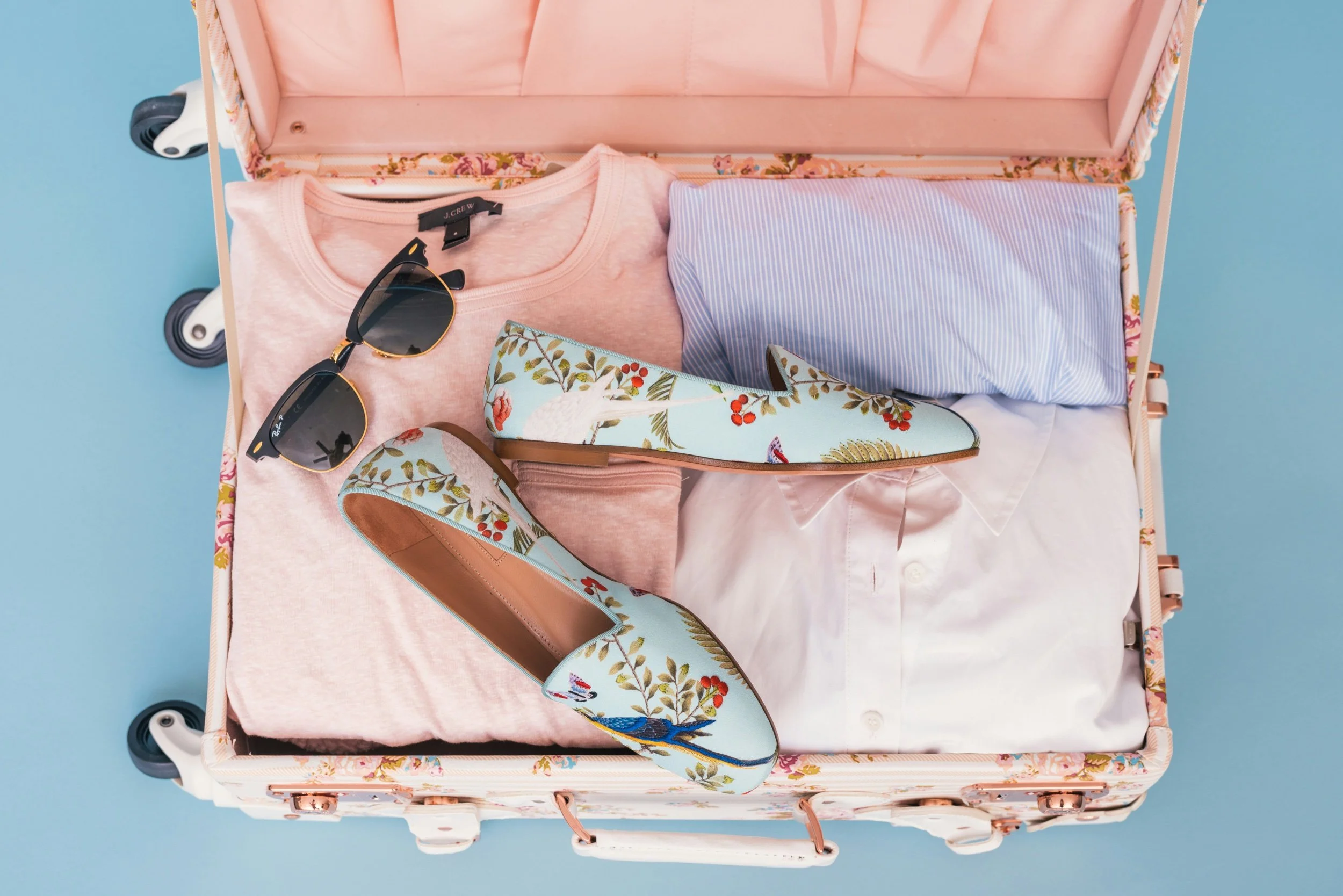




Packing tips from experienced cruisers - these 5 must-haves will make life that tittle bit easier on board.