
Dubai Cruises Disrupted: What the Iran Crisis Means for Gulf Sailings
Middle East Crisis: How Iran Tensions Are Disrupting Gulf Cruises, UAE Sailings & UK Travel Advice
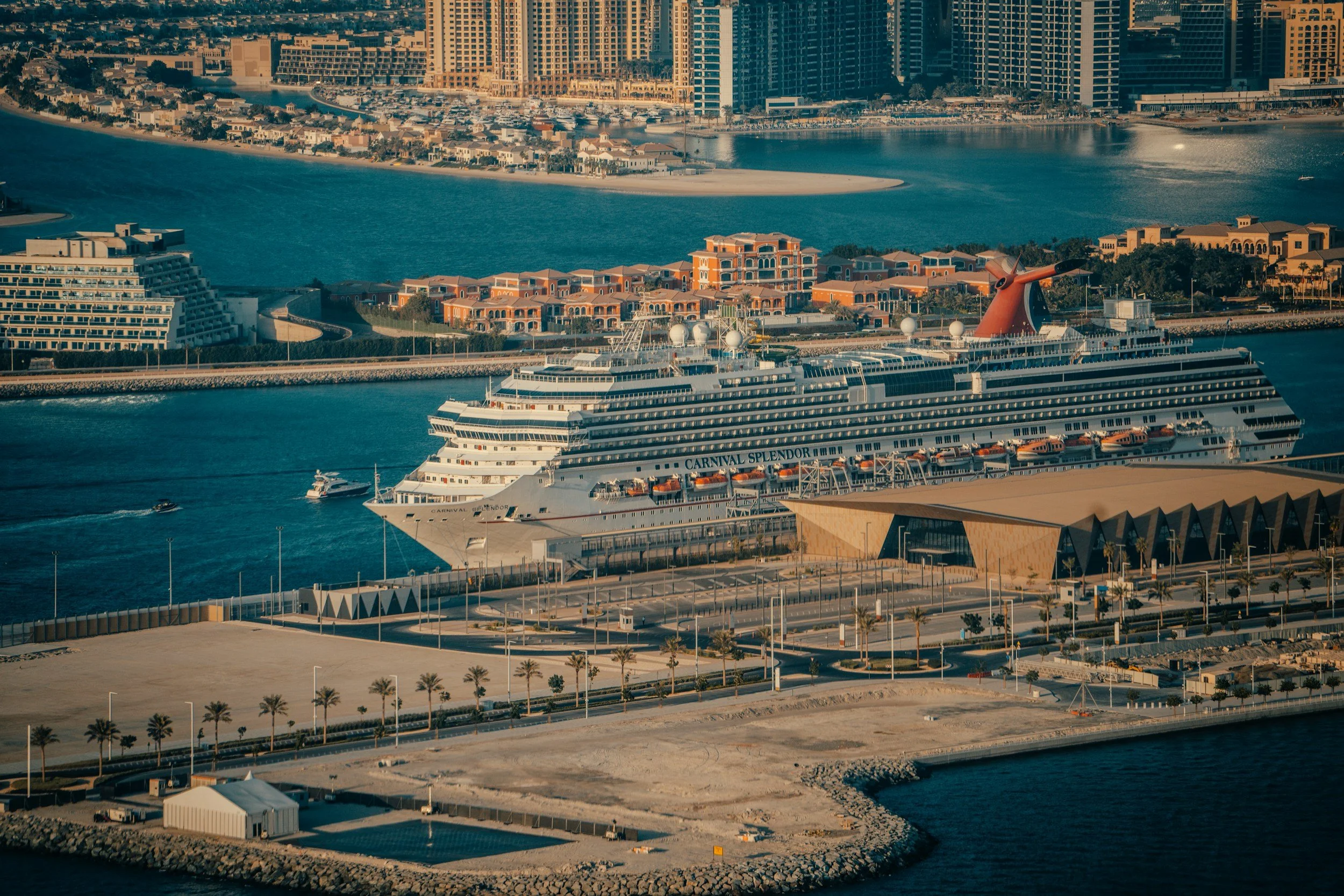
Cruises to Dubai and across the Middle East are facing disruption as tensions involving Iran escalate, prompting itinerary reviews and fresh government travel updates. While major cruise ports in the Gulf remain open, flight cancellations and regional airspace concerns are affecting selected sailings. Here’s what travellers from the UK and US need to know before setting sail.
Updated: 10 March 2026
Cruise disruption linked to the Middle East crisis is now beginning to affect sailings beyond the Arabian Gulf. Celestyal Cruises has cancelled two early Mediterranean departures of Celestyal Discovery after the ship was unable to reposition from Dubai as planned. The move highlights how regional instability and airspace restrictions can create wider scheduling challenges for cruise operators.
The situation continues to evolve. For the latest developments including cruise sailings cancelled and ships remaining in Dubai and Doha, read our latest update here:
Middle East Cruise Disruption Update: Gulf Sailings Cancelled as Ships Remain in Port
Escalating tensions involving Iran have sent shockwaves through global travel this week, with cruise lines, airlines and foreign offices responding rapidly to a fast-moving security situation.
For cruise passengers - particularly those sailing from or via the Gulf - the impact is already being felt through cancellations, reroutings and airspace disruption.
Here’s what we know so far.
Gulf Cruises Cancelled and Ships Delayed
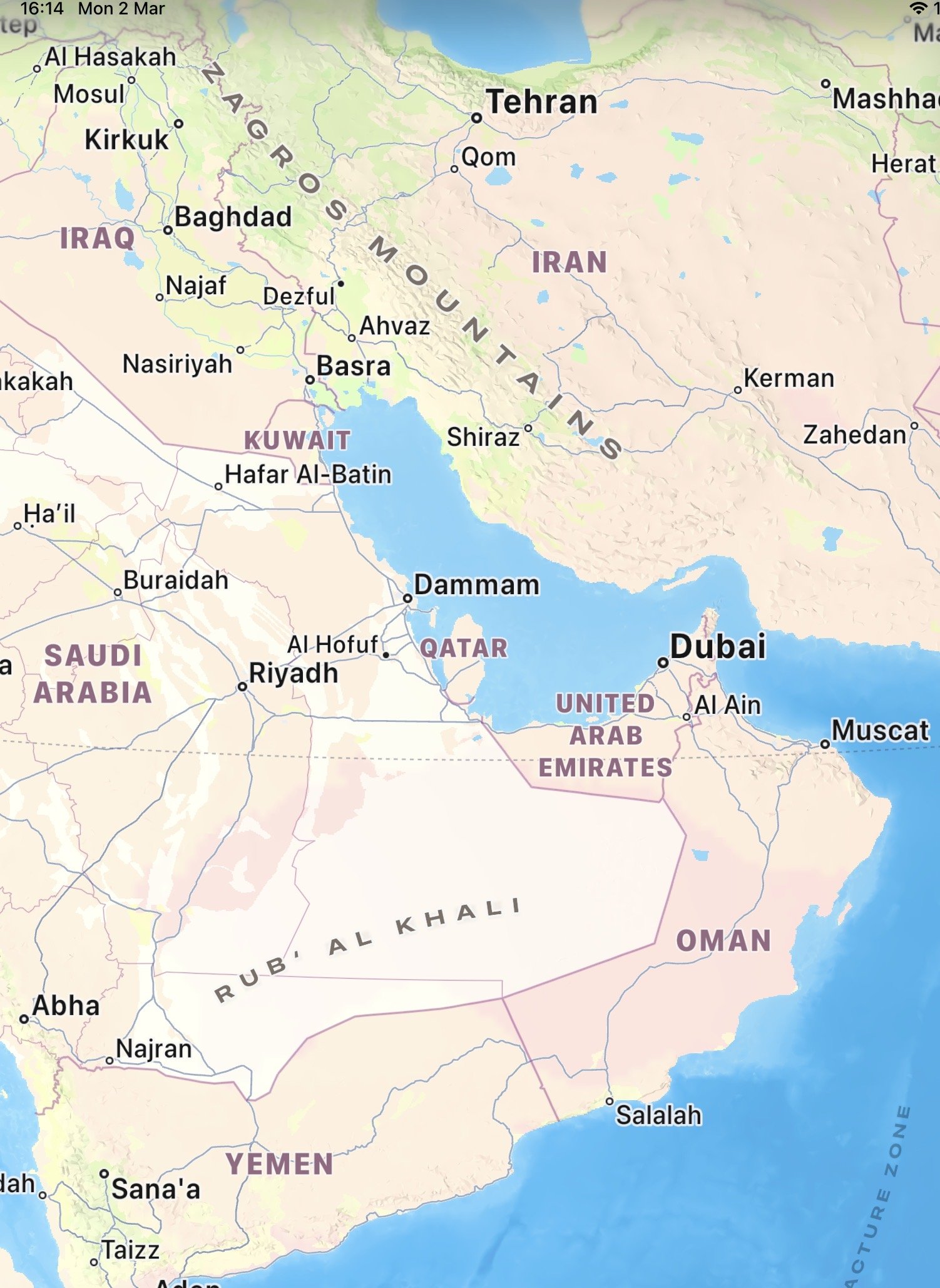
Map showing ports in the Arabian Gulf
Cruise programmes based in the Arabian Gulf have been the most immediately affected.
European operators including TUI Cruises and Dertour have cancelled imminent Gulf departures following regional missile strikes and widespread flight suspensions.
Ships homeporting in Dubai, Abu Dhabi and Doha have experienced delays as passengers struggled to fly home amid sudden airspace closures.
While cruise vessels themselves remain in port and safe, the bigger operational challenge has been aviation disruption. Gulf hub airports temporarily suspended or rerouted flights, leaving some cruise guests unable to disembark or reach embarkation ports.
Which Dubai Cruises Are Cancelled and Which Ships Are Affected?
MSC Euribia and Celestyal Ships Status
Several winter sailings from Dubai have been cancelled due to ongoing Middle East tensions. MSC Cruises ended the remaining departures of MSC Euribia, while Celestyal Cruises cancelled itineraries for Celestyal Discovery and Celestyal Journey. TUI Cruises has also cancelled select Mein Schiff sailings. Ships currently remain in port as cruise lines work to ensure passenger safety and coordinate alternative travel arrangements.
Why Gulf Cruise Sailings Are Being Disrupted
The disruption to Gulf cruise sailings stems from a combination of geopolitical tensions, regional airspace restrictions, and logistical challenges for cruise operators. While Dubai, Doha, and Abu Dhabi ports remain operational, many ships have been unable to safely complete their scheduled itineraries due to travel uncertainties and limited commercial flights for passengers. Cruise lines are closely monitoring security conditions and government travel advice before confirming any departures, which has resulted in cancellations and early season endings for several operators, including MSC, Celestyal, and TUI Cruises.
Passenger and Crew Impact: What Travellers Need to Know
Thousands of passengers and crew have been affected by the sudden cancellations. Guests onboard affected ships, such as MSC Euribia and Celestyal Journey, have been offered refunds, future cruise credits, or assistance with flights home. Cruise lines have organised repatriation flights for passengers stranded in Dubai and Doha, while some travellers have faced additional accommodation costs due to delayed departures. Travellers are advised to check directly with their cruise line and monitor official government travel advisories. Travel insurance coverage, including cancellation and trip interruption policies, can provide additional protection, but it is essential to review the fine print before filing claims.
Major American Cruise Brands: Monitoring and Rerouting
The large US-based cruise corporations do not have extensive year-round Gulf deployments, but they are actively monitoring developments.
Affected brands include:
MSC Cruises
Royal Caribbean Group
Carnival Corporation
Norwegian Cruise Line Holdings
So far, there have been no sweeping cancellation announcements from these companies specific to the UAE. However, the wider regional instability is influencing:
Deployment decisions
Repositioning cruises transiting the Red Sea
Fuel cost projections
Booking confidence
Historically, when security risks escalate in the Red Sea or Gulf, US brands reroute vessels around the Cape of Good Hope rather than transit high-risk waterways. That option remains on the table should tensions worsen.
Celestyal Cruises Impacted
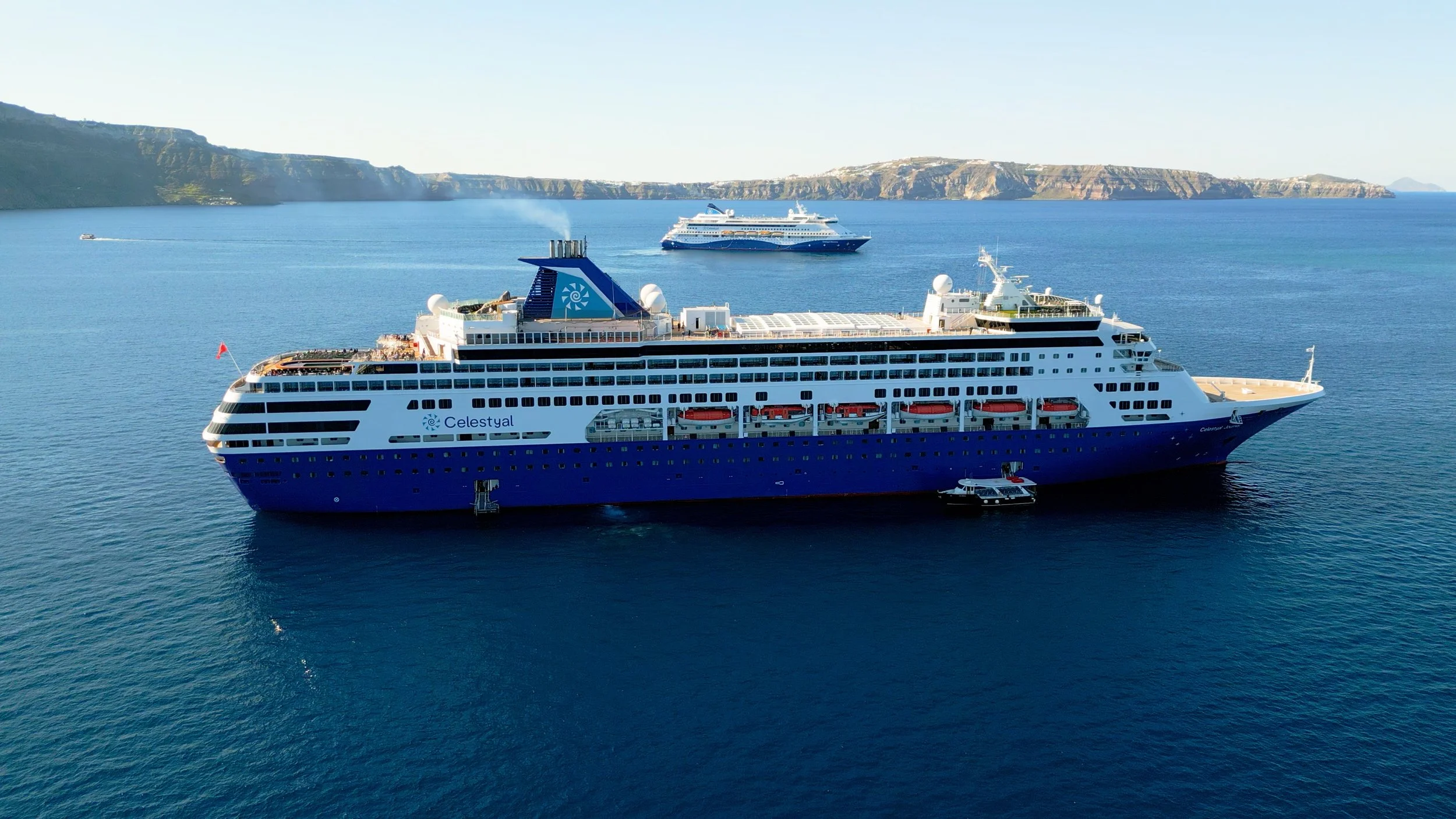
Celestyal Discovery affected. Image: Celestyal Cruises
Celestyal Cruises, which has been actively expanding its Arabian Gulf winter programme, has also been affected by the regional instability. Ships such as the Celestyal Discovery and Celestyal Journey remain berthed in Dubai and Doha, with departures temporarily suspended due to airspace closures and ongoing security concerns. Guests scheduled to sail in the coming days are facing delays or cancellations, and return flights are particularly disrupted. The pause comes at a critical time for the line, which had been promoting Gulf itineraries and partnerships with local tourism boards, highlighting how even smaller cruise operators are directly impacted by the unfolding Middle East crisis.
UK Cruise Lines and the British Market
UK-focused cruise brands including:
P&O Cruises
Marella Cruises
Fred. Olsen Cruise Lines
Ambassador Cruise Line
do not currently have large-scale Arabian Gulf winter programmes in operation. However, fly-cruise passengers connecting through Middle East hubs could still be affected by airspace restrictions.
Travel agents in the UK report increased enquiries from customers booked on repositioning cruises or winter 2026 Gulf itineraries, seeking reassurance.
At present, most UK lines are in “monitor and review” mode rather than issuing blanket cancellations.
UK Foreign Office Travel Advice: What’s Changed?
The Foreign, Commonwealth & Development Office (FCDO) has updated travel advice across multiple Middle Eastern countries (accurate at time of writing).
United Arab Emirates (Including Dubai & Abu Dhabi)
No blanket “Do Not Travel” warning at time of writing.
British nationals advised to monitor developments closely.
Registration encouraged so consular teams can provide updates.
Warning of possible sudden travel disruption due to airspace closures.
Cyprus
Advice updated to reflect heightened regional tension.
No ban on travel.
Travellers warned that escalation could lead to flight disruption or knock-on impacts.
Iran & Israel
Stronger warnings remain in place advising against travel.
For cruise passengers, this matters because if the FCDO moves to “advise against all travel” to a destination, standard travel insurance may be invalidated. It might be worth contacting g your insurance company to seek advice.
Please note that this advice is for U.K. travellers - American travellers would need to refer to the U.S. Department of State travel advisories.
Which Cruise Itineraries Are Most at Risk?
Based on current guidance, the sailings most vulnerable to disruption include:
Arabian Gulf winter cruises (Dubai round-trip itineraries).
Repositioning cruises transiting the Red Sea.
Fly-cruise programmes routing through Gulf aviation hubs.
World cruises scheduled to transit Middle East waterways.
Mediterranean sailings, Canary Islands cruises and Northern Europe itineraries remain unaffected.
Should You Cancel?
Right now:
If your cruise line has not cancelled, normal terms apply.
If the FCDO does not advise against travel, insurance policies typically remain valid.
If flights are disrupted, cruise lines usually assist with rebooking or future cruise credits.
The key risk at present is aviation disruption rather than ships operating in direct conflict zones.
However, passengers are advised not to cancel independently without first checking financial implications.
Confirmed Sources & Official Statements
MSC Cruises: Announced that MSC Euribia’s remaining Dubai sailings are cancelled. The line is coordinating repatriation flights and providing refunds or future cruise credits for affected passengers.
Celestyal Cruises: Confirmed early termination of the winter Arabian Gulf season for Celestyal Discovery and Celestyal Journey.
TUI Cruises: Partially cancelled Mein Schiff sailings in response to airspace and regional disruptions.
UK FCDO / US State Department: Updated travel advice for Dubai, Abu Dhabi, Qatar, and surrounding Gulf regions.
Port Authorities: Dubai and Doha ports remain operational, but cruise departures are being delayed until travel and logistical conditions stabilise.
All cruise lines are actively monitoring the situation and will update passengers directly. Travellers should check official cruise line websites and government travel advisories before planning further trips.
Latest Update:
Cruise disruption in the region has intensified since this article was first published, with several Gulf sailings now cancelled.
Related Coverage Section
The Lowdown
The cruise industry is no stranger to geopolitical curveballs. While ships remain safe and ports operational in the UAE and Cyprus, the wider instability linked to Iran is already reshaping Gulf cruise schedules and unsettling traveller confidence.
For now, this is a situation defined by caution rather than shutdown. But as we’ve seen before, cruise deployment decisions can change quickly if tensions escalate further.
If you’re booked on a Gulf or Red Sea sailing, stay in close contact with your cruise line and airline, monitor FCDO updates, and avoid making independent cancellation decisions without checking the financial implications first.
Dubai has spent more than a decade building its reputation as a major winter cruise hub, welcoming ships from across Europe and North America. While the current Middle East crisis has disrupted Gulf sailings and forced some cruise lines to end their season early, the long-term future of Dubai’s cruise industry will depend on how quickly regional travel and security conditions stabilise.
Please note this is an informative article about a fast-changing volatile international situation. please seek appropriate advice if you are planning to travel to the area.
Frequently Asked Questions
Are cruises to Dubai cancelled because of the Iran crisis?
Some Arabian Gulf sailings have been paused or adjusted due to regional tensions and flight disruption. Dubai’s ports remain open, but travellers should check directly with their cruise line before departure.
Is it safe to cruise in the Middle East right now?
Cruise lines are operating with enhanced security monitoring. Most disruption has been related to airspace closures rather than port shutdowns. Always check official UK or US government travel advice before travelling.
Which cruise lines are affected?
Cruise lines with Gulf or Eastern Mediterranean deployments, including Celestyal Cruises and major US brands such as Royal Caribbean and Norwegian Cruise Line, are reviewing itineraries on a sailing-by-sailing basis.
Will travel insurance cover cancellations due to Middle East tensions?
If a cruise line cancels, passengers are typically offered a refund or future cruise credit. Insurance cover depends on policy wording and official government travel advisories at the time of booking.