
Marella Cruises Travel Guide - Canarian Flavours
Planning a Marella Cruises Canarian Flavours cruise? This guide covers the ports of call featured across different versions of the itinerary, with practical advice on getting around, accessibility, things to see and do, local food and drink, and TUI shore excursions.
From Tenerife’s volcanic landscapes and Lanzarote’s dramatic scenery to Madeira’s mountain views and the historic streets of La Palma, use our port guides to plan your time ashore. Ports and itineraries vary by ship and departure date, so check your own sailing before making plans.
Canarian Flavours: Cruise Guide to the Canary Islands and Madeira
Marella Cruises’ Canarian Flavours itinerary combines the volcanic landscapes of the Canary Islands with the subtropical scenery of Madeira. Depending on your sailing, you could explore historic island capitals, wander through traditional streets, relax on long sandy beaches, discover dramatic volcanic scenery or sample local food and wine.
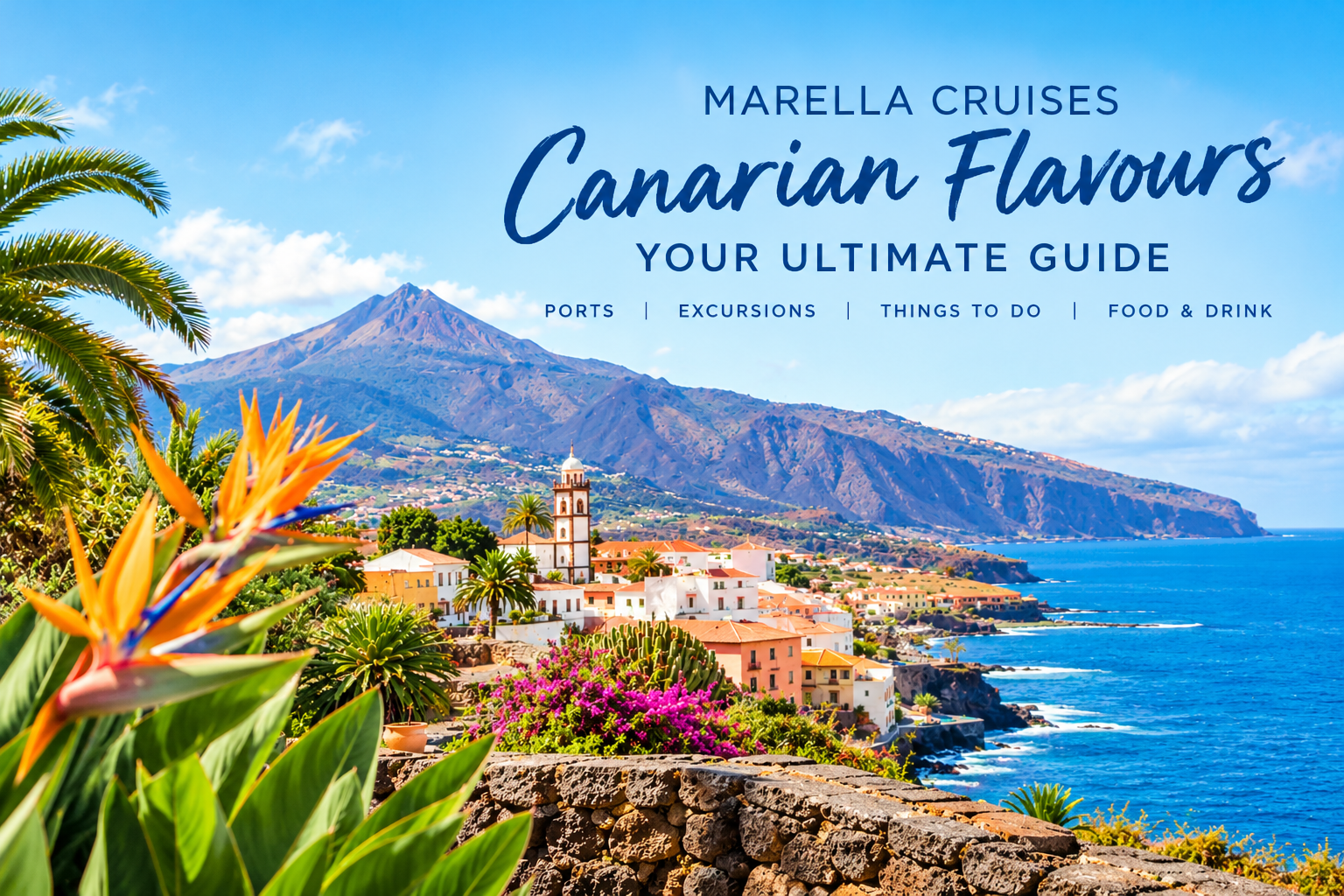
The itinerary is particularly appealing if you want more than a traditional beach holiday. Each island has its own character, from Tenerife’s spectacular Mount Teide to Lanzarote’s distinctive lava landscapes, Fuerteventura’s sweeping beaches and Madeira’s mountainous interior. La Gomera and La Palma offer a quieter side of the Atlantic islands, with green valleys, historic towns and opportunities to explore beyond the waterfront.
Marella Cruises operates several versions of Canarian Flavours, with ports and sailing schedules varying by ship and departure date. Not every cruise visits every destination covered in this guide. Check your booking to confirm your itinerary, arrival and departure times, and the ports included on your particular sailing.
This guide covers all the ports featured across the different versions of Canarian Flavours, with practical information to help you plan your time ashore, whether you book a TUI excursion or prefer to explore independently.
Santa Cruz de Tenerife
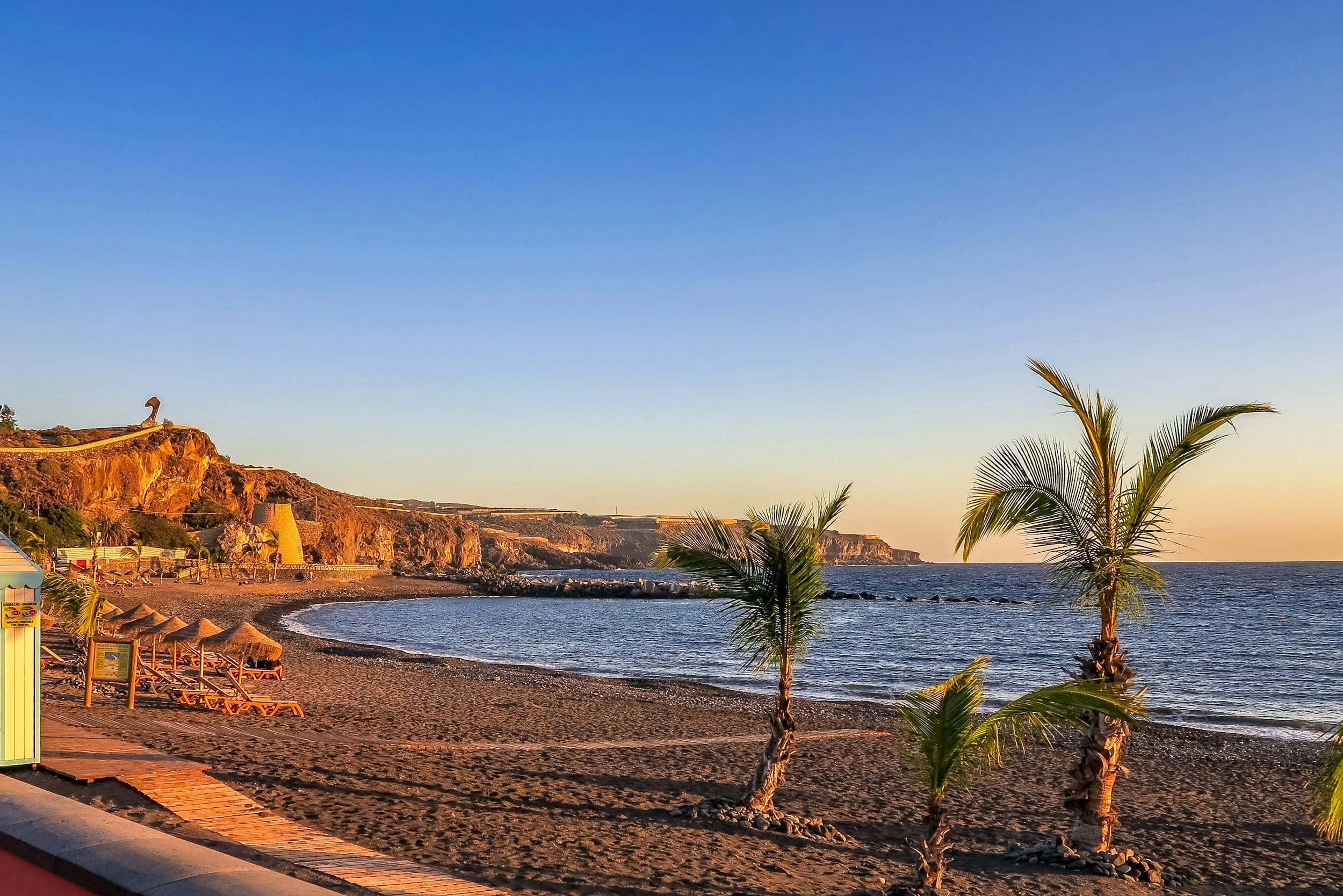
Santa Cruz de Tenerife Cruise port: What to expect
Santa Cruz de Tenerife is the capital of Tenerife and one of the main gateways to the Canary Islands. The city combines a busy commercial waterfront with pedestrian shopping streets, historic buildings, attractive squares and a growing cultural scene.
For cruise passengers, Santa Cruz is a useful port to explore independently. You can spend a few hours discovering the city, browse its shops and markets, or use it as a starting point for a longer excursion around Tenerife.
The port area and accessibility
Cruise ships use the port facilities close to the city, although the precise berth and any shuttle arrangements can vary. The waterfront is part of a working commercial port, so follow the designated passenger routes rather than assuming you can walk freely through every port area.
Once you reach the city, you will find shops, cafés, restaurants and pedestrianised streets. Plaza de España is a useful landmark for orientating yourself, while the shopping streets extend inland from the waterfront.
The city centre is generally more practical for independent exploration than Tenerife’s major natural attractions, which require transport beyond Santa Cruz.
For passengers with reduced mobility, check the route from your particular berth and whether a shuttle is operating. Although central areas have pedestrian routes and accessible facilities, kerbs, slopes, paving and the distance between attractions can affect how comfortable a walk will be. Contact Marella’s Assisted Travel team before sailing if you require specific arrangements.
Getting around Santa Cruz de Tenerife
Walking is a good option for exploring the central shopping area, squares and waterfront sights. Taxis are useful for attractions further away or if you prefer not to walk between stops.
Local buses connect Santa Cruz with other parts of Tenerife, but journeys to the island’s most famous attractions can take considerably longer than exploring the city itself.
If you want to visit Mount Teide, the historic town of La Laguna or the island’s southern resorts, an organised excursion or a pre-arranged transport option is usually more practical than trying to fit several distant attractions into a short port call.
Things to do in Santa Cruz de Tenerife
Plaza de España
Start with the city’s principal square, which opens towards the waterfront and provides an easy reference point for exploring the centre. From here, you can continue along the shopping streets or find a café for a drink.
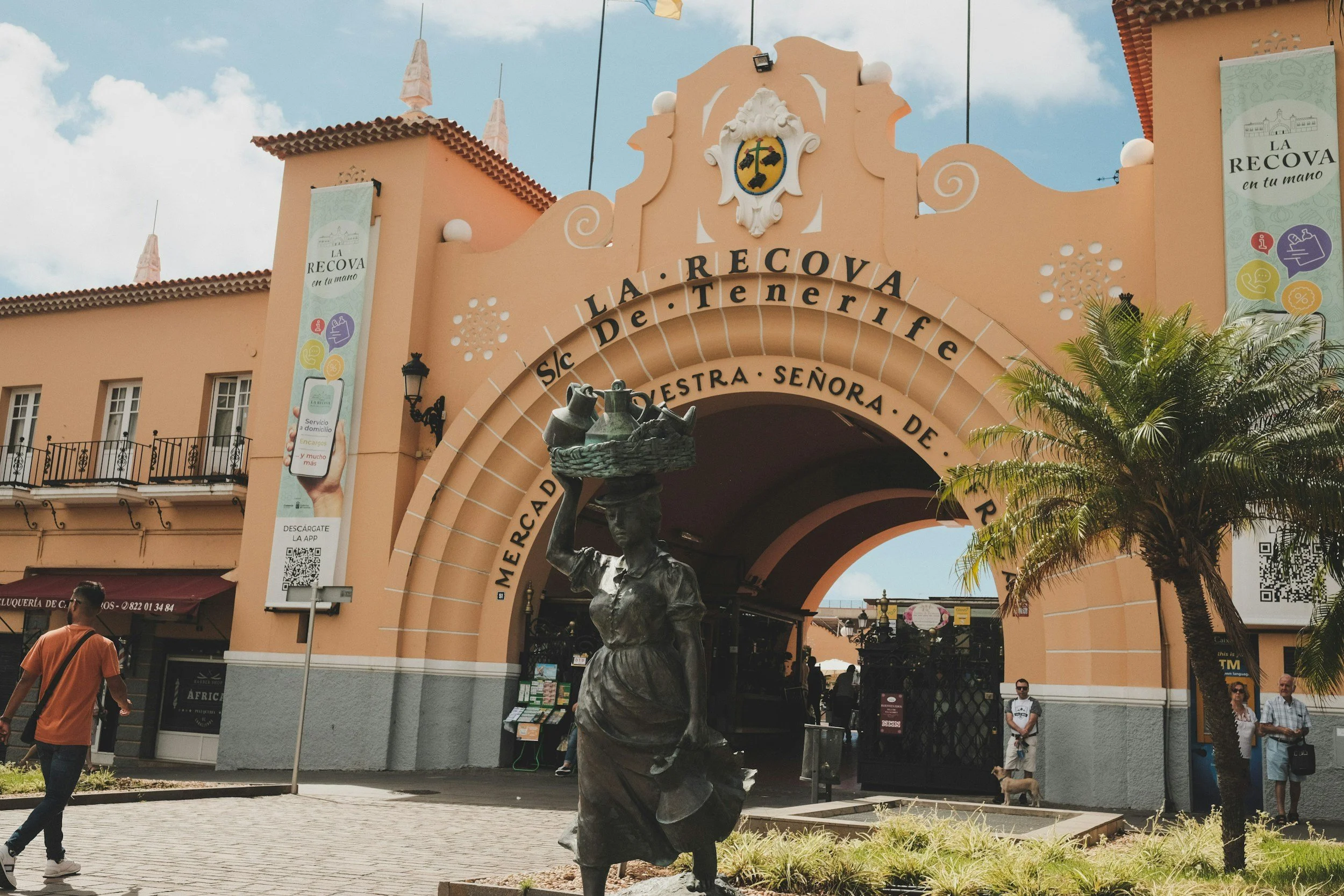
Mercado de Nuestra Señora de África
This traditional market is a good place to discover local produce, flowers, cheeses and other Canarian specialities. It is particularly interesting if you enjoy seeing how local residents shop rather than spending the entire port day at tourist attractions.
Auditorio de Tenerife
The striking white concert hall beside the waterfront is one of Santa Cruz’s most recognisable modern landmarks. Even if you do not attend a performance, the exterior and surrounding waterfront make a worthwhile photo stop.
Parque García Sanabria
This leafy city park provides a quieter alternative to the busy shopping streets, with tropical plants, shaded paths and places to pause.
San Cristóbal de La Laguna
A short journey inland takes you to La Laguna, a historic town known for its traditional architecture and pedestrian-friendly old centre. It is a good option if you have visited Santa Cruz before or want to explore somewhere with a different atmosphere.

Mount Teide
Tenerife’s volcanic centre is one of the island’s biggest attractions. The landscape around Teide National Park is dramatically different from the coast, with lava fields, unusual rock formations and mountain viewpoints.
However, Mount Teide is not a quick walk or taxi ride from the cruise port. Allow plenty of time for the excursion and check the tour duration before booking.
Where to eat in Santa Cruz de Tenerife
Santa Cruz has plenty of options for a meal or a quick stop for coffee. For a taste of local cooking, look for Canarian dishes such as papas arrugadas with mojo sauce, grilled fish, local cheeses and tapas.
Two restaurants worth considering are:
La Hierbita: A traditional-style restaurant in the city centre, with Spanish and Canarian dishes.
Bodeguita Canaria: A useful option for sampling local-style food in a relaxed setting.
You will also find cafés and casual restaurants around the central streets and shopping areas, making it easy to fit in a meal without travelling far from the ship.
Check opening hours on the day, especially if you are visiting around the traditional Spanish lunch period or on a public holiday.
TUI shore excursions in Santa Cruz de Tenerife
If you would prefer an organised trip, TUI’s published Canarian Flavours excursions include options such as:
Scenic Mount Teide: Travel into the volcanic landscape of Teide National Park, with scenic stops along the route.
Tenerife Bike Tour: Explore parts of the destination by bicycle with a guide.
The Mount Teide excursion is the one to consider if the island’s volcanic scenery is your priority. The bike tour offers a different way to discover the local area, but check the physical requirements and route before booking.
Excursion names, prices and availability may vary by departure date. Confirm the details through your own TUI booking.
Is Santa Cruz de Tenerife easy to explore independently?
Yes, if you concentrate on the city centre. The main squares, shopping streets, market and waterfront sights make a manageable day without booking a full excursion.
If you want to see Mount Teide or travel around the island, however, an organised tour can make better use of your time and simplify transport.
For a first visit, I would choose between a relaxed city day and a dedicated island excursion rather than attempting both in a single port call.
Las Palmas, Gran Canaria
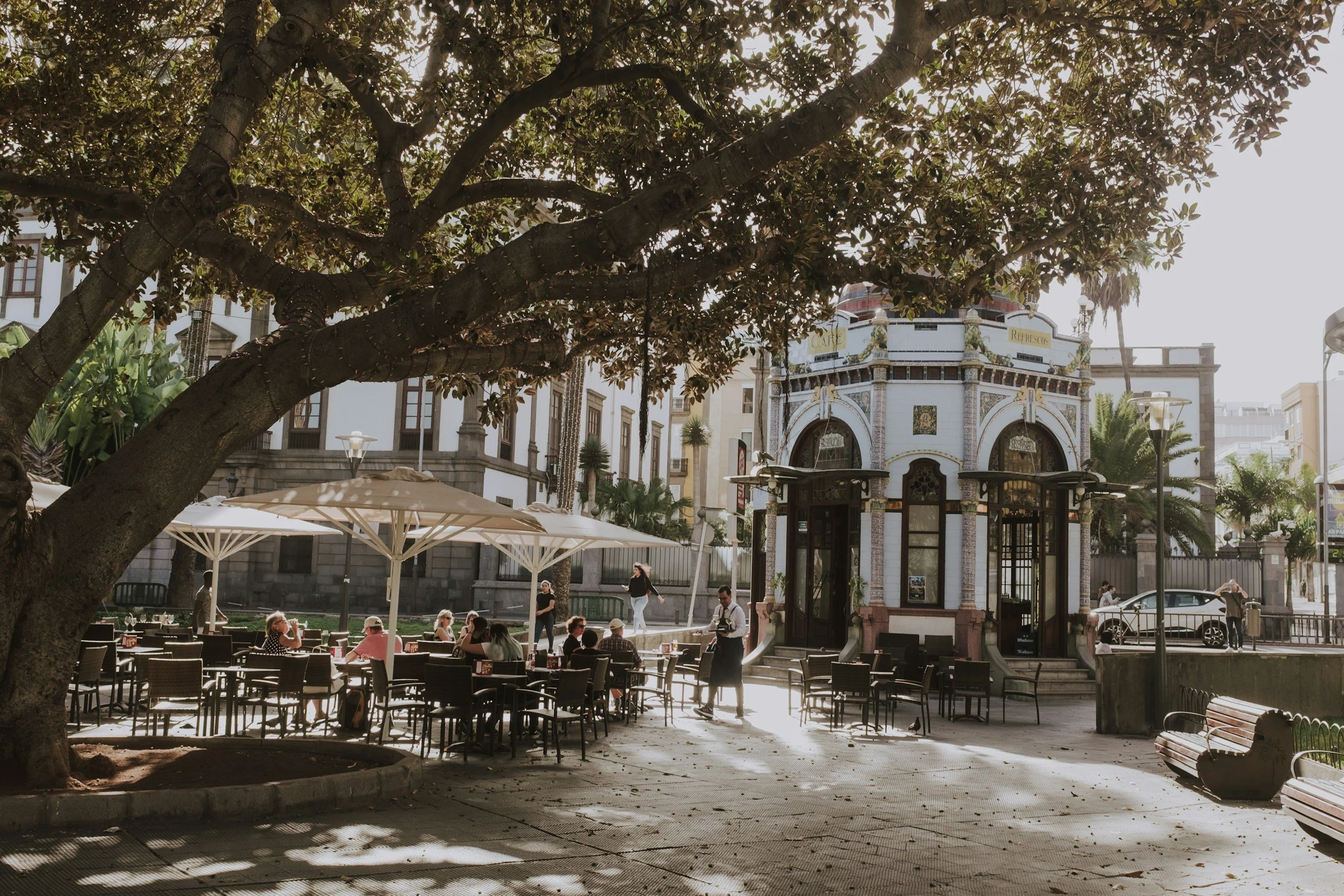
Cruise port: What to expect
Las Palmas de Gran Canaria is the island’s capital and one of the largest cities in the Canary Islands. It offers a different experience from the smaller ports on this itinerary, with an urban beach, historic districts, shopping streets, museums and a wide choice of restaurants.
The city is also a gateway to Gran Canaria’s interior, where mountain roads lead to traditional villages and viewpoints. If you want to see the island’s famous sand dunes, you will need to travel south to Maspalomas.
The port area and accessibility
Cruise ships call at the Port of Las Palmas, in the north-east of Gran Canaria. The Santa Catalina area is the main reference point for visitors exploring the northern part of the city, while Las Canteras beach and its promenade are among the best-known nearby attractions.
The historic district of Vegueta lies further south, so do not assume that all of Las Palmas’s main sights are within a short walk of the ship. Check your berth and the route from the terminal before deciding how much you can comfortably cover on foot.
The city’s main shopping and waterfront areas have a mix of pedestrian streets, promenades and busier roads. As in any large city, accessibility varies between locations. Pavement conditions, road crossings, gradients and the distance between attractions may affect visitors with limited mobility.
If you need step-free transport or wheelchair-accessible transfers, arrange this in advance rather than relying on finding a suitable vehicle at the port.
Getting around Las Palmas
Walking works well around Santa Catalina and the northern waterfront, including the route towards Las Canteras. Local buses and taxis are more useful for travelling to Vegueta, the cathedral area or attractions further across the city.
If you want to visit Maspalomas, allow for a substantial journey from Las Palmas. The famous dunes and southern resorts are not next door to the cruise port, so a transfer or organised excursion is the most straightforward option for a limited port day.
For a longer call, you could combine the city with a trip to the south, but check the transport times carefully and leave a generous margin for returning to the ship.
Things to do in Las Palmas
Las Canteras Beach
Las Canteras is one of the city’s best attractions, with a long sandy beach, a seafront promenade, cafés and restaurants. You can enjoy the atmosphere without committing to a full-day beach excursion.
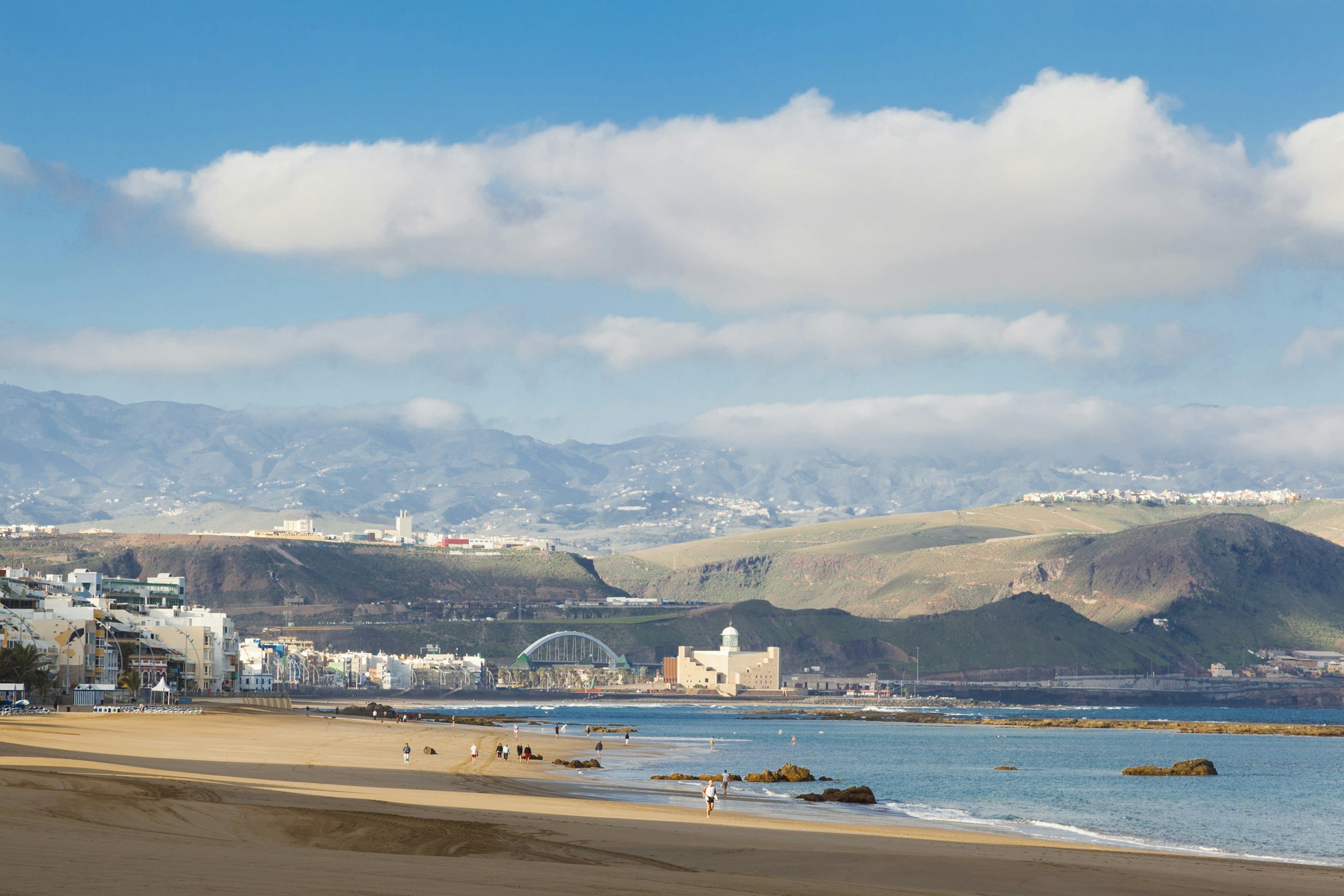
The promenade is a good option if you prefer a gentle stroll, although conditions and access points vary along the waterfront.
Vegueta Old Town
Vegueta is the historic heart of Las Palmas. Its traditional streets, attractive squares and historic buildings provide a contrast to the modern port and beach areas.
Allow time to explore the area on foot, stopping for a coffee or a meal along the way. If you are particularly interested in history and architecture, this is one of the most rewarding parts of the city.
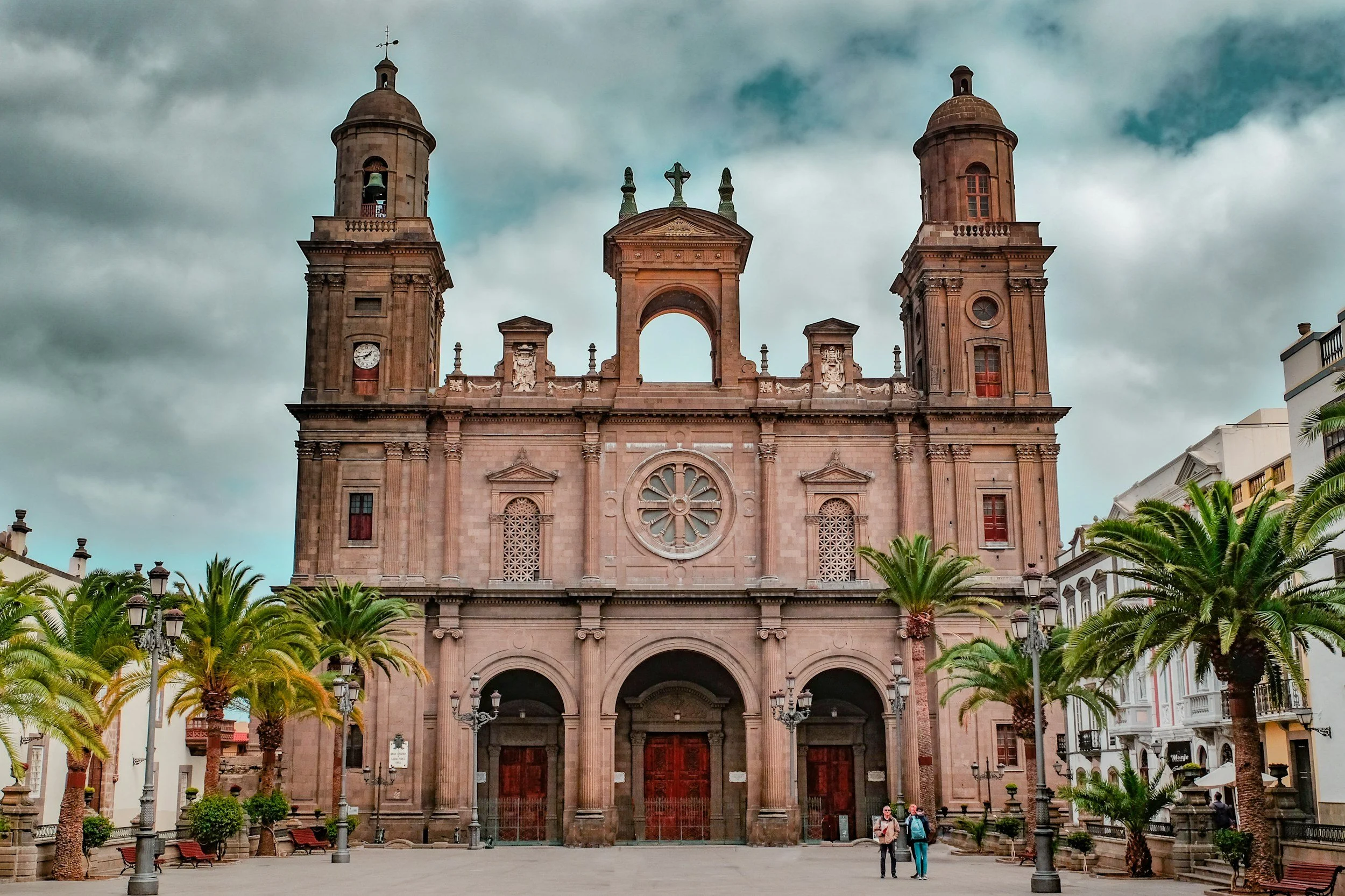
Santa Ana Cathedral and Plaza de Santa Ana
The cathedral and surrounding square are among Vegueta’s best-known landmarks. The area is an easy starting point for exploring the old town, although access inside individual buildings may involve steps or other restrictions.
Mercado de Vegueta
A traditional market is a useful place to look for local produce and get a feel for everyday life in Gran Canaria. Opening days and hours should be checked before visiting.
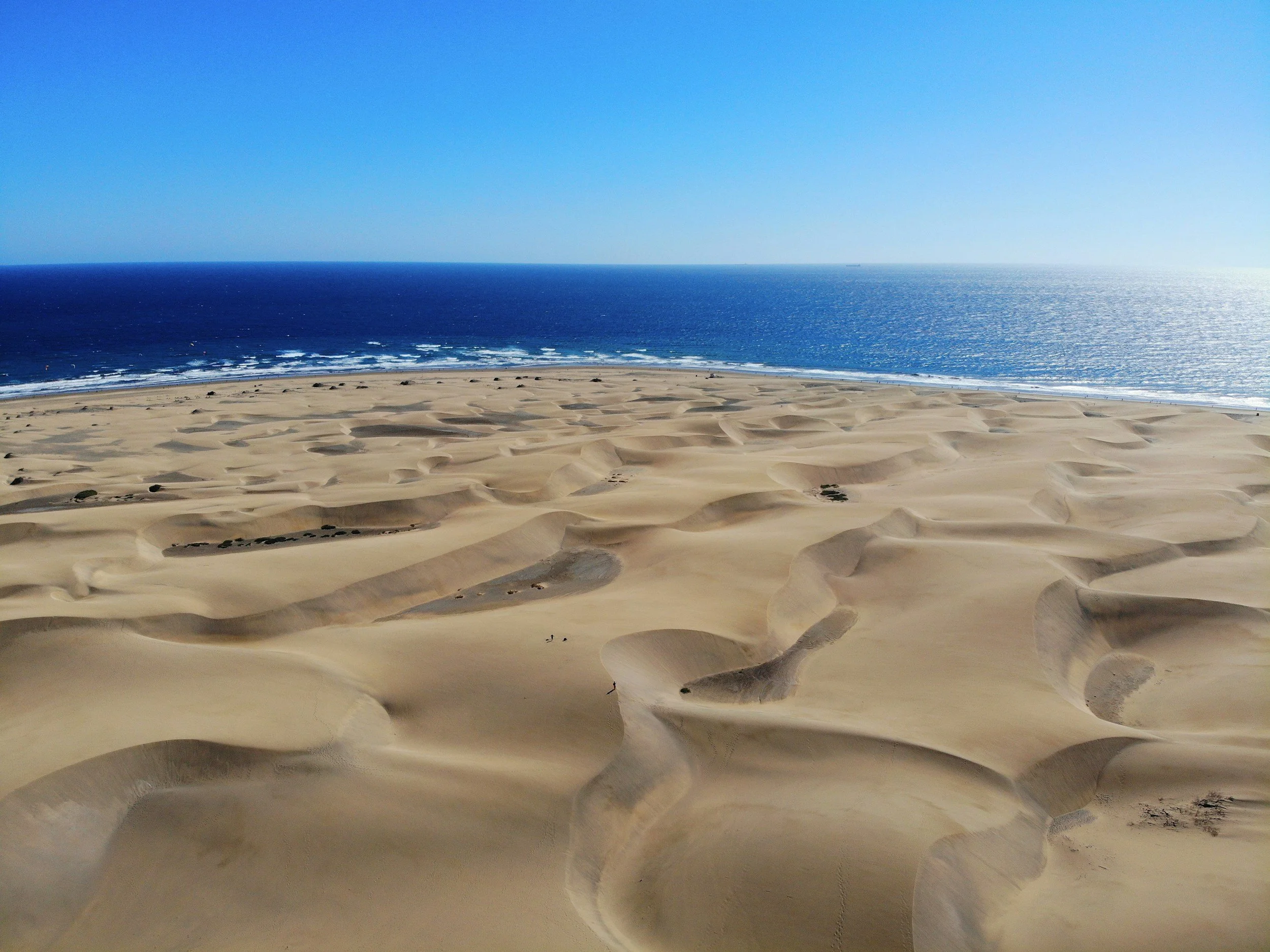
Maspalomas dunes
The dunes on Gran Canaria’s southern coast are one of the island’s signature landscapes. The golden sand stretches towards the Atlantic, with resort facilities nearby.
This is a separate excursion from the city itself. If you want to visit, allow time for the journey and decide whether you would rather spend the day at the dunes or exploring Las Palmas.
Where to eat in Las Palmas
Las Palmas has a broad choice of places to eat, from cafés near Las Canteras to restaurants in the historic quarter. For a local flavour, look for Canarian potatoes with mojo sauce, grilled fish, seafood, goat’s cheese and traditional tapas.
Two options to investigate are:
El Vasco de Vegueta: A tapas restaurant in the historic district, suitable if you are exploring around Plaza de Santa Ana.
Chiwawa Cantina Vegueta: A casual restaurant option in the Vegueta area if you fancy a change from traditional Canarian food.
If you are staying around Las Canteras, the seafront has plenty of other cafés and restaurants, making it a convenient choice for lunch with a view.
TUI shore excursions in Las Palmas
TUI’s published Canarian Flavours options include:
Maspalomas Beach Transfer: A transfer to the island’s famous southern dunes and resort area, giving you free time to enjoy the beach, shops and cafés.
Island sightseeing excursions: Check the excursions listed for your sailing for guided tours of Gran Canaria’s scenery and main attractions.
The Maspalomas transfer is particularly useful if you want to visit the dunes without arranging your own transport. TUI describes the trip as a transfer with free time, rather than a fully guided sightseeing tour.
Check the excursion duration and drop-off point before booking, particularly if you want to explore beyond the beach.
Is Las Palmas easy to explore independently?
Yes, if you choose one area and focus on it. Las Canteras and the Santa Catalina area work well for a relaxed day, while Vegueta is a better choice if you are interested in history, architecture and local food.
Maspalomas is worth considering if you want to see the dunes, but it involves travelling away from the city. I would not try to fit the dunes, Vegueta and Las Canteras into a short port call without checking the transport times carefully.
Arrecife, Lanzarote
Arrecife cruise port: What to expect
Arrecife is the capital of Lanzarote, an island famous for its volcanic landscapes, whitewashed buildings and distinctive architecture influenced by local artist and architect César Manrique.
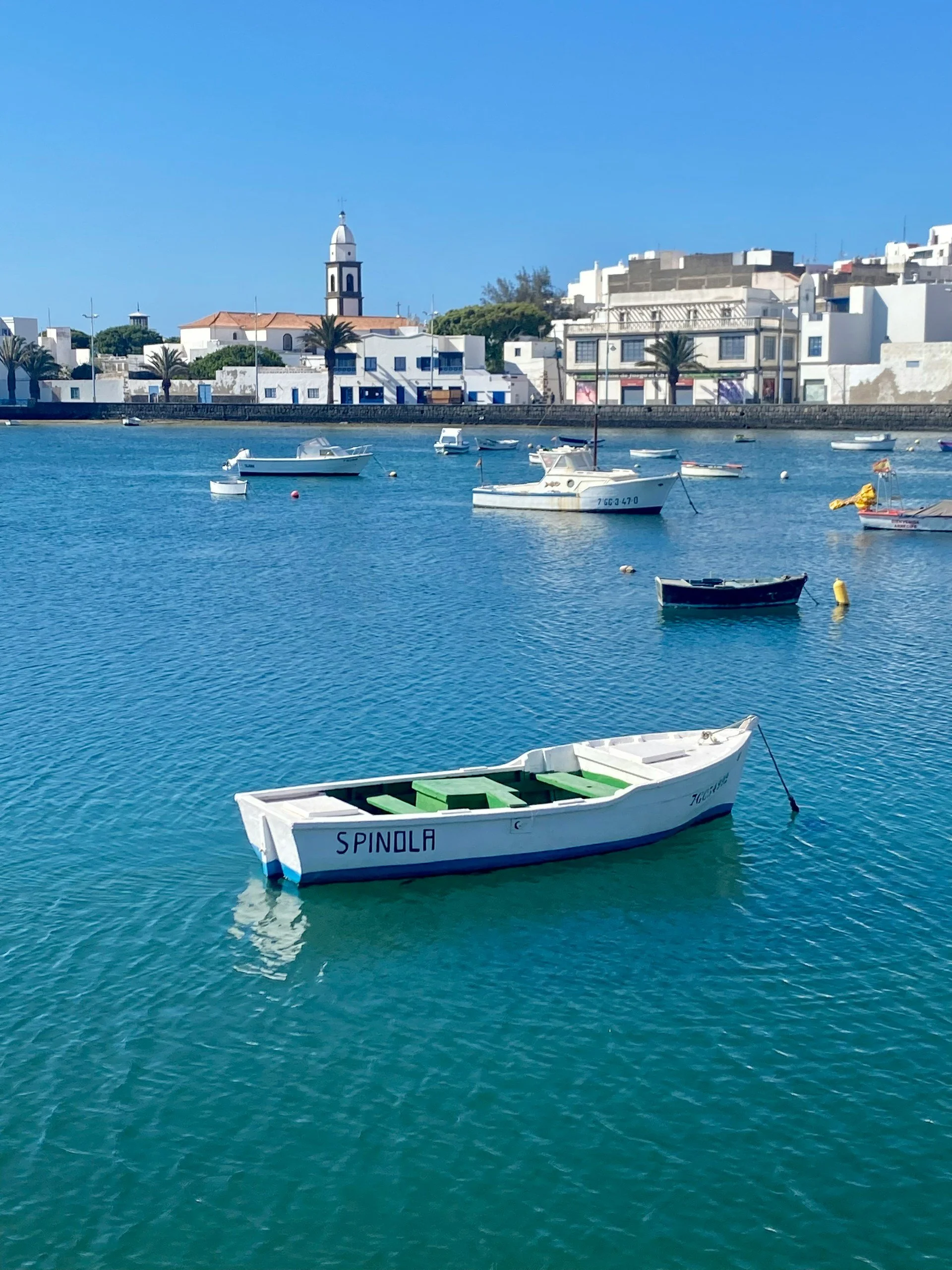
The town is worth exploring in its own right, with a waterfront lagoon, historic fortifications, shops and cafés. However, some of Lanzarote’s most memorable attractions lie beyond the capital, including Timanfaya National Park, the vineyards of La Geria and the island’s coastal resorts.
The port area and accessibility
Cruise ships call at the Port of Arrecife. The exact route from the berth into town depends on the terminal arrangements for your sailing, so follow the ship’s instructions about the permitted passenger exit and any shuttle service.
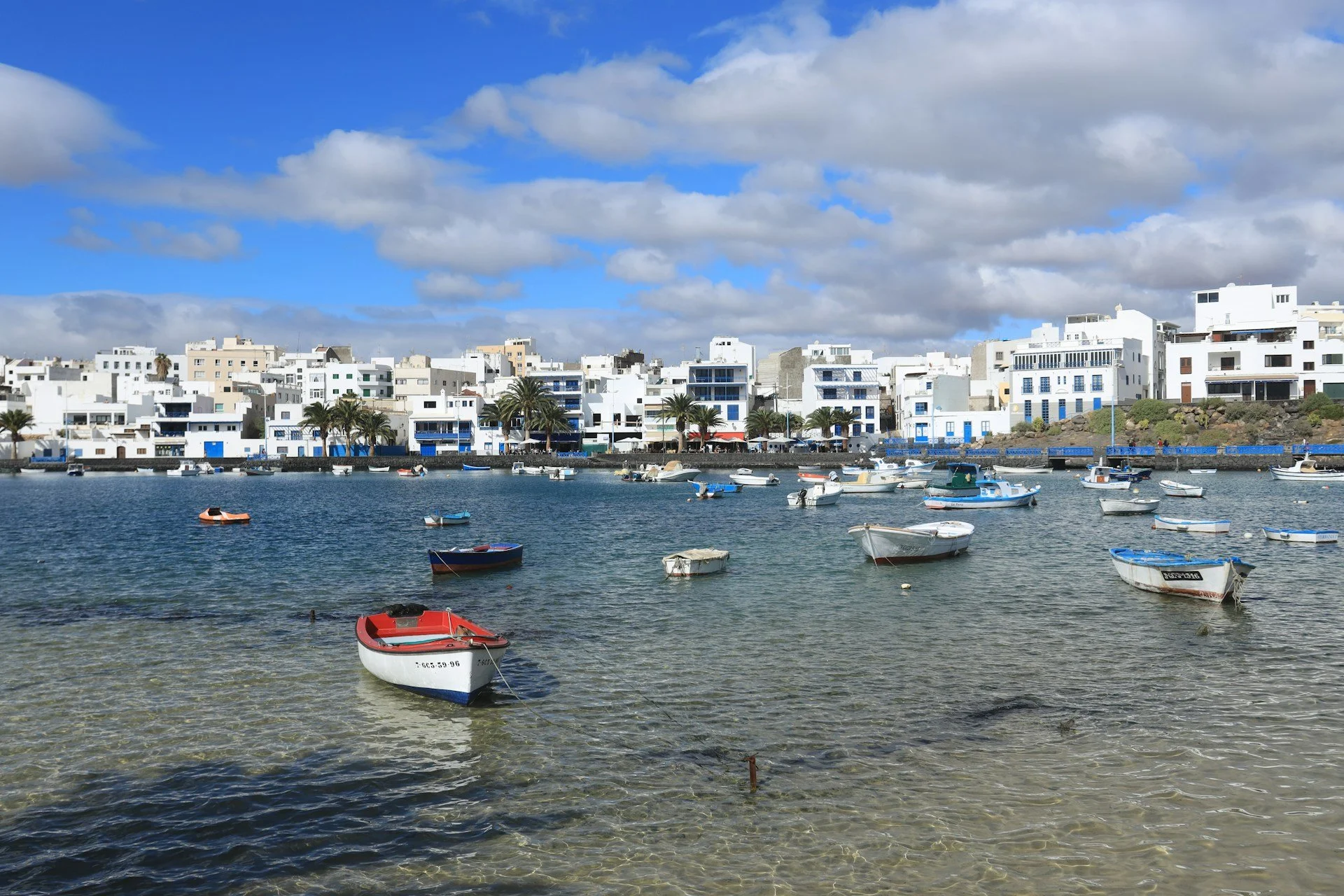
Arrecife’s waterfront and central streets are the easiest places to explore independently. The Charco de San Ginés, a sheltered lagoon lined with boats, cafés and restaurants, is one of the town’s most attractive areas.
The central area has paved streets and relatively level waterfront routes, although kerbs, uneven surfaces and road crossings can affect accessibility. The route from the ship may also be longer than expected if your berth is away from the town centre.
If you use a wheelchair or have difficulty walking, check the port transfer arrangements and the distance to the town centre before setting off. For trips into the island’s interior, confirm that the excursion vehicle and stops are suitable for your needs.
Getting around Arrecife
The town centre is manageable on foot once you are ashore. Taxis are useful for short trips or for reaching beaches outside the centre.
If you want to explore further afield, local buses connect Arrecife with resorts and other parts of Lanzarote, although a limited port call may make a multi-stop independent itinerary difficult.
Puerto del Carmen is a popular choice for visitors who want a beach day, while Timanfaya National Park is the island’s major attraction for volcanic scenery. Both require transport away from Arrecife.
Things to do in Arrecife
Charco de San Ginés
This attractive saltwater lagoon is a good starting point for a walk around Arrecife. Fishing boats sit alongside the waterfront, while cafés and restaurants provide places to stop for a drink or a meal.
Castillo de San Gabriel
This small historic fortress stands on an island just off the coast, connected to the town by a causeway and bridge. It is a useful landmark on a waterfront walk and offers a glimpse of Lanzarote’s maritime history.
Playa del Reducto
Arrecife’s main urban beach has pale sand and a sheltered setting. It is a convenient option if you want a little time by the sea without travelling to one of the island’s resort beaches.
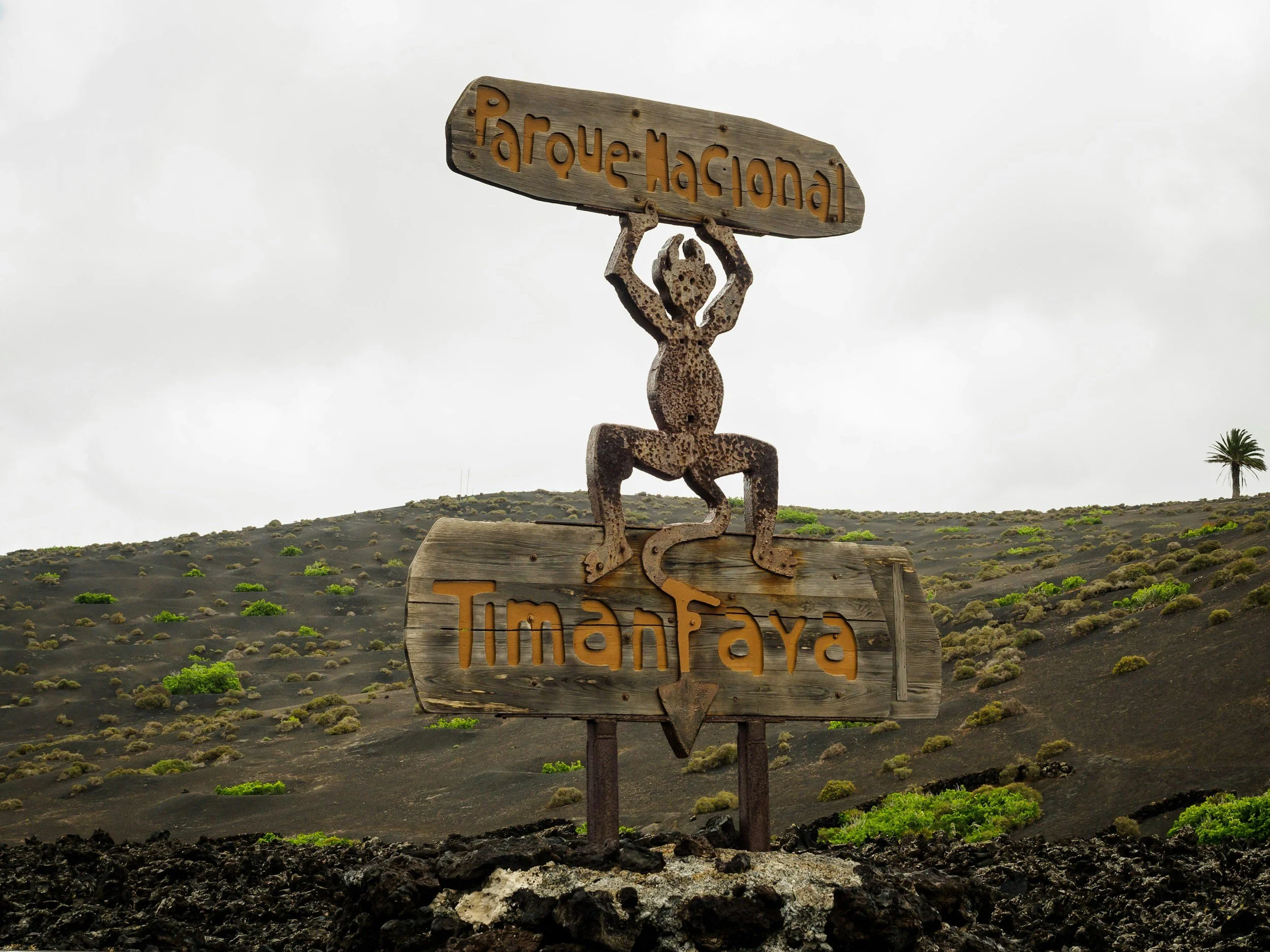
Timanfaya National Park
Timanfaya is the destination to prioritise if you want to see Lanzarote’s volcanic landscape. The Mountains of Fire are surrounded by vast areas of solidified lava, creating scenery unlike that of most other Canary Islands.
Access to the main visitor area is managed, so check the arrangements before travelling independently. A guided excursion can simplify transport and help you make the most of a short port call.
La Geria wine region
Lanzarote’s vineyards are distinctive because vines are grown in hollows in the dark volcanic ash, often protected by curved stone walls. The resulting landscape is unusual and well worth seeing if you are interested in wine or local agriculture.
César Manrique’s island
Manrique’s influence can be seen across Lanzarote, from architectural design to the way buildings blend into the landscape. If you want to explore beyond Arrecife, look into the island’s visitor attractions associated with his work and check which are included in any organised tour.
Where to eat in Arrecife
For a relaxed meal, look around Charco de San Ginés, where the waterfront setting makes it one of the most appealing areas to stop for lunch.
Local dishes to look for include:
Papas arrugadas with mojo: Small Canarian potatoes served with a spicy red or green sauce.
Fresh fish and seafood: Look for locally prepared fish, grilled seafood and simple fish dishes.
Sancocho canario: A traditional salted-fish dish, often served with potatoes and mojo.
Local goat’s cheese: A popular product across the Canary Islands, often served as a starter or tapas.
Lanzarote also produces distinctive wines from volcanic soils. If you are planning a wine tasting, remember that you will need to allow time to return to the ship.
TUI shore excursions in Arrecife
TUI’s published excursions for Arrecife include:
Puerto del Carmen Transfer: A transfer to Lanzarote’s popular beach resort, with free time for its beaches, shops, cafés and bars.
Rancho Texas Park: A family-friendly wildlife and leisure park with animal enclosures and shows.
Panoramic Lanzarote: A coach-based tour that explores parts of the island’s southern coast and its unusual vineyards.
Timanfaya and its Volcanoes: A trip into the island’s volcanic landscape, with stops at the national park and other sights.
The Puerto del Carmen transfer is the simplest option if you want a beach day without arranging transport. For a first visit to Lanzarote, Timanfaya offers a more distinctive experience, although the volcanic landscape and some visitor areas may involve uneven terrain.
Excursion availability and prices vary by sailing. Check the current list through your TUI booking before travelling.
Is Arrecife easy to explore independently?
Yes, if you want to see the town, visit the lagoon and enjoy a meal by the waterfront. It is a good port for a relatively relaxed day.
If your priority is Timanfaya, the wine region or the island’s other major attractions, plan your transport in advance. Lanzarote’s most distinctive landscapes are spread across the island, and trying to fit several of them into a short call can leave little time to enjoy any one place properly.
Puerto del Rosario, Fuerteventura
Cruise port: What to expect
Puerto del Rosario is the capital of Fuerteventura, an island known for long sandy beaches, wind-sculpted dunes and a dry, open landscape. The town itself is quieter than the island’s major holiday resorts, making it a useful choice if you want to see a more everyday side of the Canaries.
Cruise passengers can explore the capital independently or travel further afield to discover Fuerteventura’s beaches and traditional villages. The right choice depends on how long your ship is in port and whether you prefer a relaxed town visit or a more scenic excursion.
The port area and accessibility
The port lies beside Puerto del Rosario, with the town’s waterfront and central area accessible on foot from the passenger exit. The precise walking distance depends on the berth and the route permitted by port security.
The town has shops, cafés and restaurants, while Playa Chica and the wider waterfront provide places to walk beside the sea. It is a practical port for passengers who do not want to book a full-day excursion.
Puerto del Rosario has been working to improve access to Playa de Los Pozos for people with reduced mobility. However, access conditions can change during maintenance or construction, so check the latest local information if this beach is central to your plans.
For the wider island, accessible transport needs more planning. Ask in advance about vehicle access, boarding arrangements and whether the excursion includes walking on sand or uneven ground.
Getting around Puerto del Rosario
The town is best explored on foot, particularly if you want to see the waterfront, browse local shops or stop for coffee.
Taxis can take you to nearby beaches or provide transport for a longer island tour. Local buses connect the capital with other destinations, including Corralejo, but check the return timetable before relying on public transport during a cruise call.
Corralejo and its famous dunes are in the north of the island, while El Cotillo is a fishing village on the north-west coast. Both require a separate journey from Puerto del Rosario.
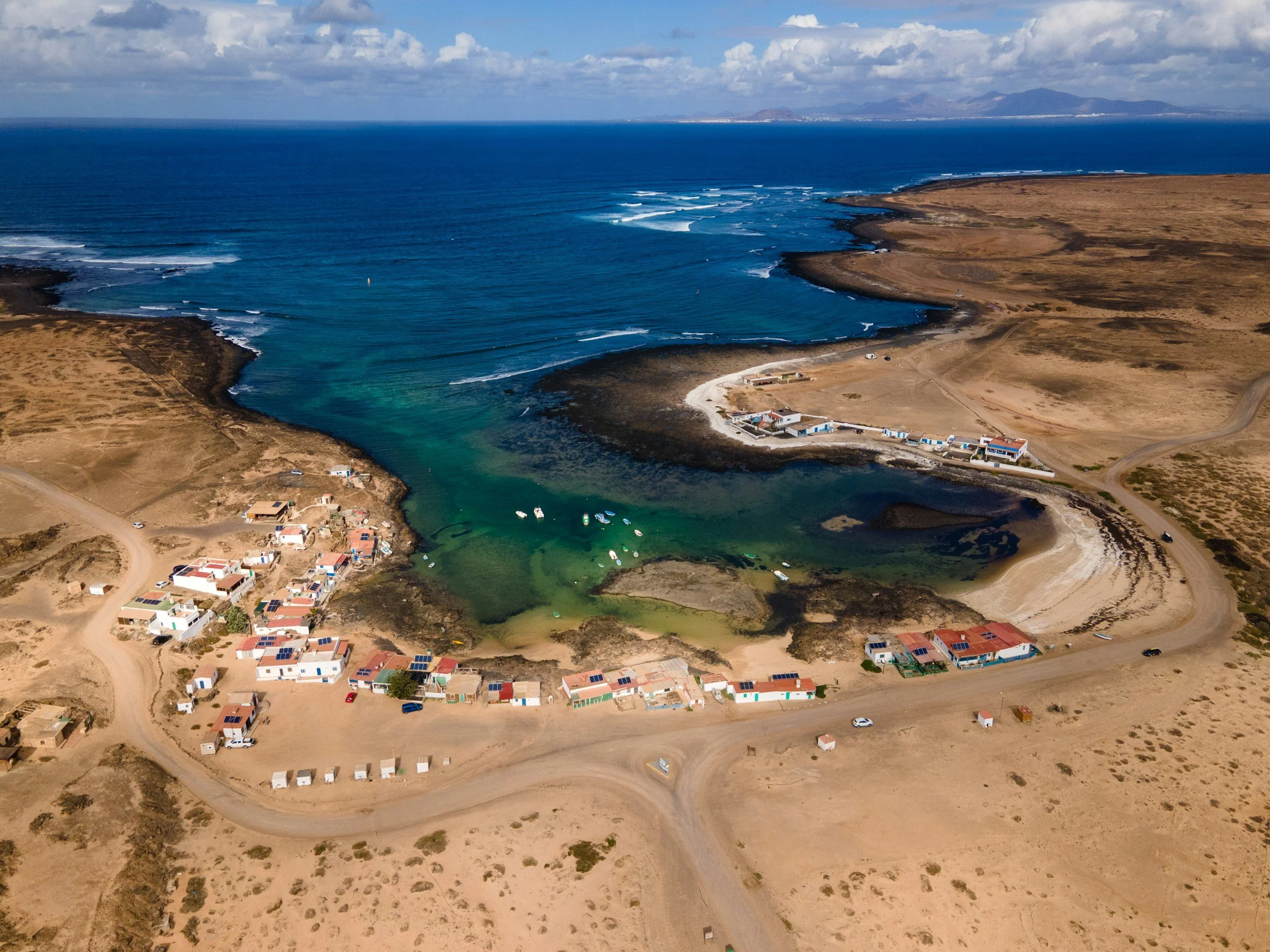
Corralejo
Things to do in Puerto del Rosario
Explore the waterfront
The harbour and seafront give the town its character. A walk around the central area is a simple way to spend a few hours without committing to a longer excursion.
Playa Chica
This urban beach is close to the town and offers a convenient place to enjoy the sea. It is a more practical choice for a short port call than travelling across the island to one of the larger resort beaches.
Local sculpture trail
Puerto del Rosario has numerous outdoor sculptures around its streets and public spaces. Look out for them as you explore the centre; they add interest to a town that is less focused on traditional sightseeing landmarks.
Corralejo and the sand dunes
The dunes near Corralejo are among Fuerteventura’s best-known landscapes, with pale sand stretching towards the Atlantic. The resort also has shops, cafés, restaurants and beaches.
This is one of the island’s main reasons to book a tour or arrange transport beyond the capital. Allow enough time for the journey in both directions.
El Cotillo
El Cotillo has a more relaxed atmosphere, with a traditional fishing-village feel, coastal viewpoints and lagoons. It is a good option if you prefer scenery and a quieter setting to a larger resort.
Betancuria
The historic village of Betancuria lies inland among the island’s hills. It offers a different perspective on Fuerteventura, with traditional architecture and a setting that contrasts with the open coastal landscape.
Where to eat in Puerto del Rosario
For a simple lunch, look around the town centre and waterfront. You will find cafés and casual restaurants serving Spanish and international food, without needing to travel far from the port.
Local specialities worth looking for include:
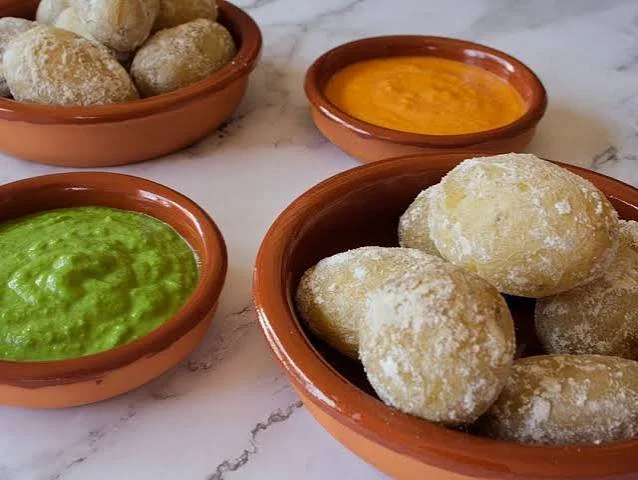
Majorero cheese: Fuerteventura’s well-known goat’s cheese, often served with mojo or as part of a tapas selection.
Papas arrugadas: Canarian potatoes served with mojo sauce.
Fresh fish: A good choice on an island with a strong coastal identity.
Gofio: A traditional toasted grain flour used in a variety of Canarian dishes.
If you travel to Corralejo or El Cotillo, you will find additional options for seafood and a meal overlooking the coast.
TUI shore excursions in Puerto del Rosario
TUI’s published excursion selection includes:
4x4 Adventure: Travel on and off road through Fuerteventura’s landscape, passing traditional villages, rugged scenery and beaches. The published route includes the area around Tindaya and El Cotillo, with a photo stop near the island’s dunes on the return journey.
Island sightseeing options: Check the tours available for your departure date if you want to visit the island’s main landscapes without arranging your own transport.
The 4x4 Adventure is a good choice if you want to see more of the island than the capital. It does involve a more active and potentially bumpy journey, so it may not be suitable for everyone.
Is Puerto del Rosario easy to explore independently?
Yes. If you are happy with a low-key port day, the waterfront, town centre and nearby beach provide enough for a short visit.
If you want to experience Fuerteventura’s dunes, traditional villages or more dramatic coastal scenery, an organised tour or pre-arranged transport is a better option. I would choose either a relaxed town day or a trip into the island rather than trying to cover both without checking the distances first.
Funchal, Madeira
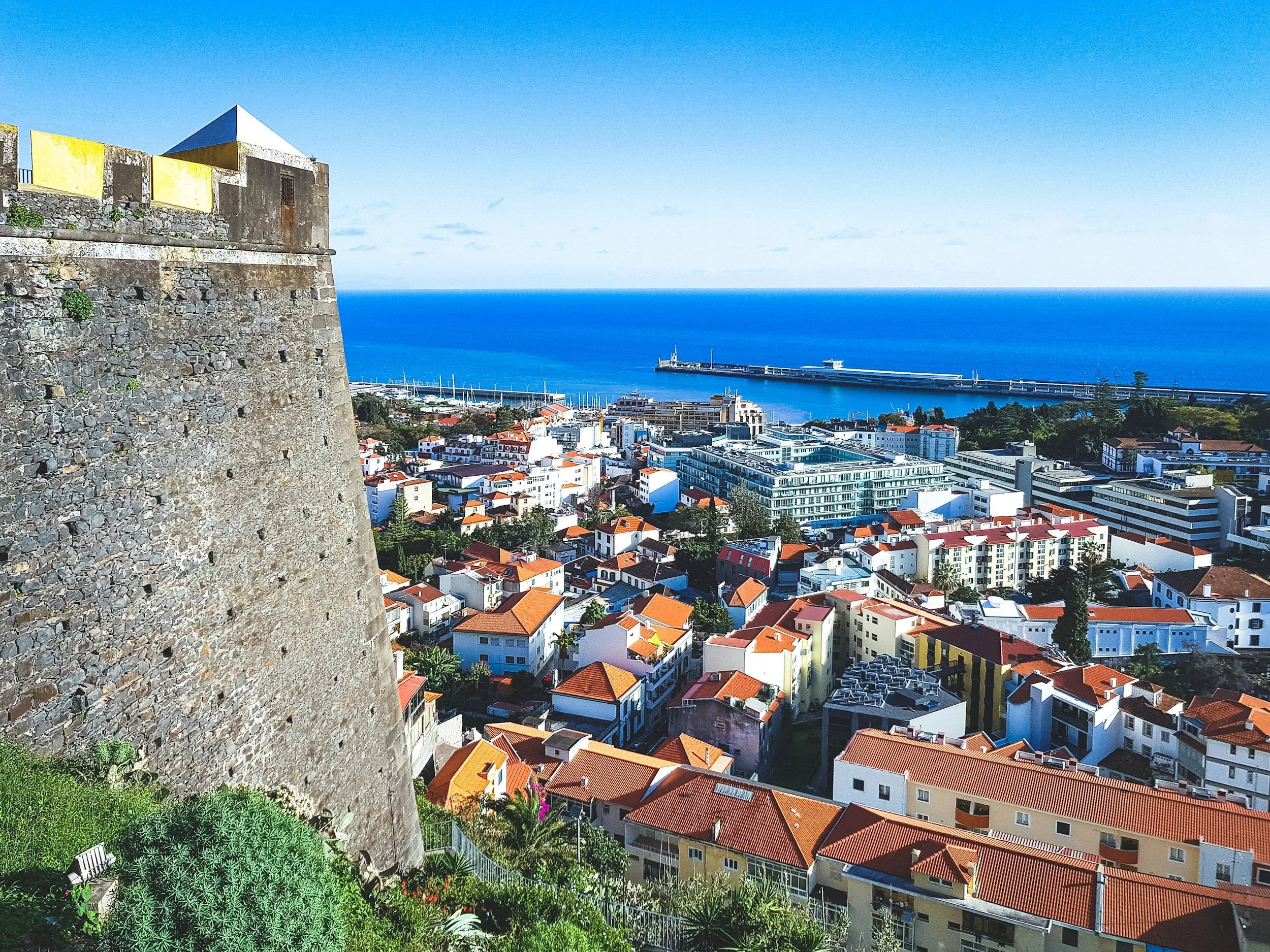
Funchal cruise port: What to expect
Funchal is the capital of Madeira, a Portuguese Atlantic island known for its steep green mountains, subtropical gardens, dramatic coastal views and distinctive food and wine. It is one of the most rewarding destinations on Canarian Flavours because there is plenty to do both in the city and further inland.
You can spend the day exploring the historic centre, visit the market, ride the cable car towards Monte or book an excursion into Madeira’s mountainous interior. The city also has a good choice of cafés, restaurants and waterfront bars.
The port area and accessibility
Funchal’s cruise port is close to the city, making it possible to explore independently without travelling far from the ship. The exact berth determines your walking route, but the city centre is only a short journey away.
The waterfront and marina provide an attractive introduction to Funchal, with the historic centre extending inland. Shops, cafés and restaurants are easy to find once you reach the central streets.
Accessibility requires a little more thought here than in some of the flatter Canary Islands ports. Funchal has steep gradients, cobbled streets and uneven paving in parts of the old town. Although accessible routes and transport options exist, not every attraction is equally easy to reach.
Portugal’s official tourism information identifies accessible city buses and the cable car to Monte, but also warns that some historic streets have irregular surfaces. If you need step-free access, plan your route rather than assuming that the shortest route on a map will be the easiest.
For the cruise terminal itself, confirm the arrangements for your particular ship and any required transfer before travelling.
Getting around Funchal
Walking works well around the marina, central shopping streets and some of the historic centre, but the hills can make a longer stroll tiring.
Taxis are useful for destinations further inland or for passengers who want to avoid steep climbs. Local buses serve the city, and sightseeing buses provide another way to reach several of the main attractions.
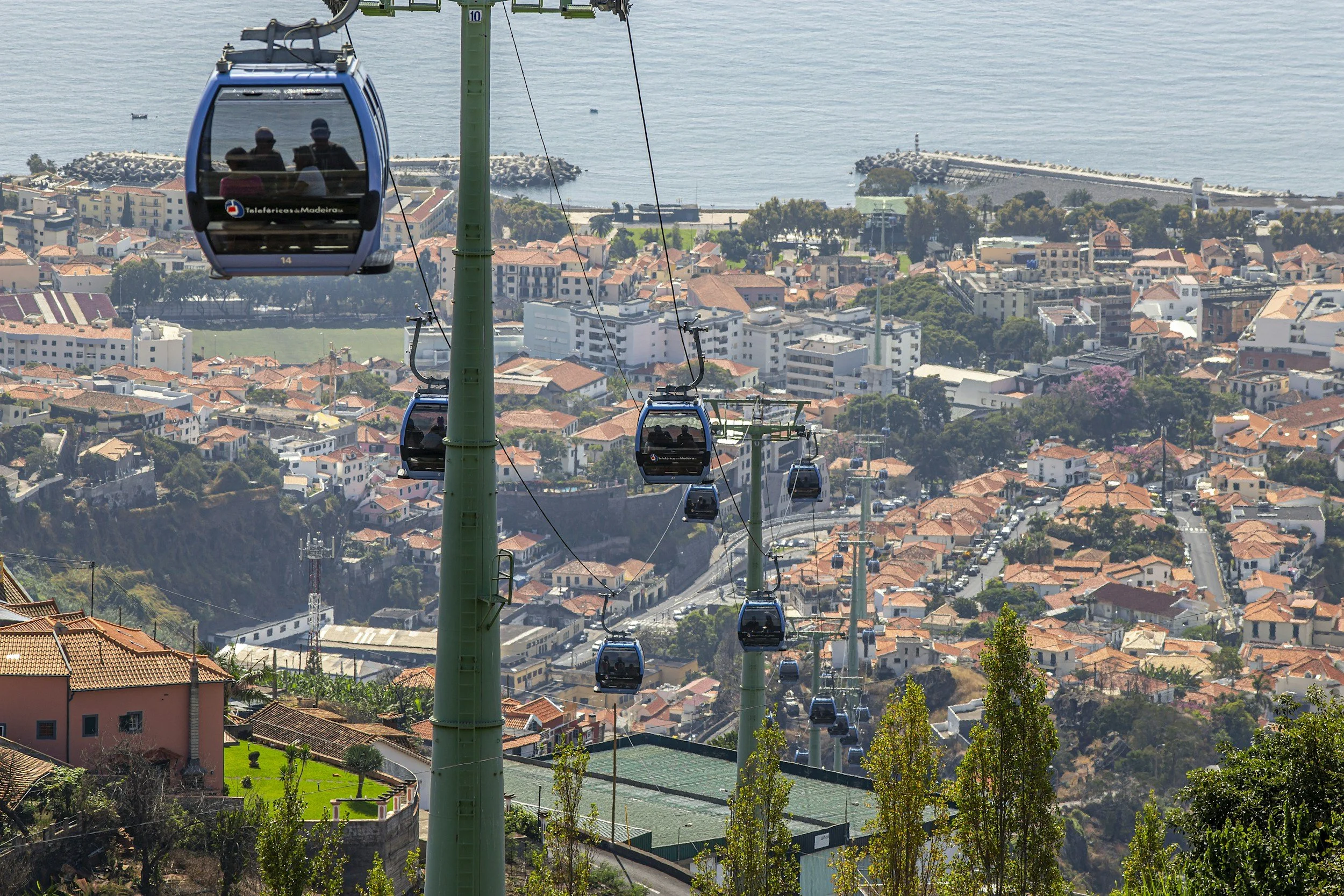
The cable car from Funchal towards Monte is one of the city’s best-known experiences. Check operating conditions and accessibility arrangements before relying on it, particularly if you use a wheelchair or need assistance boarding.
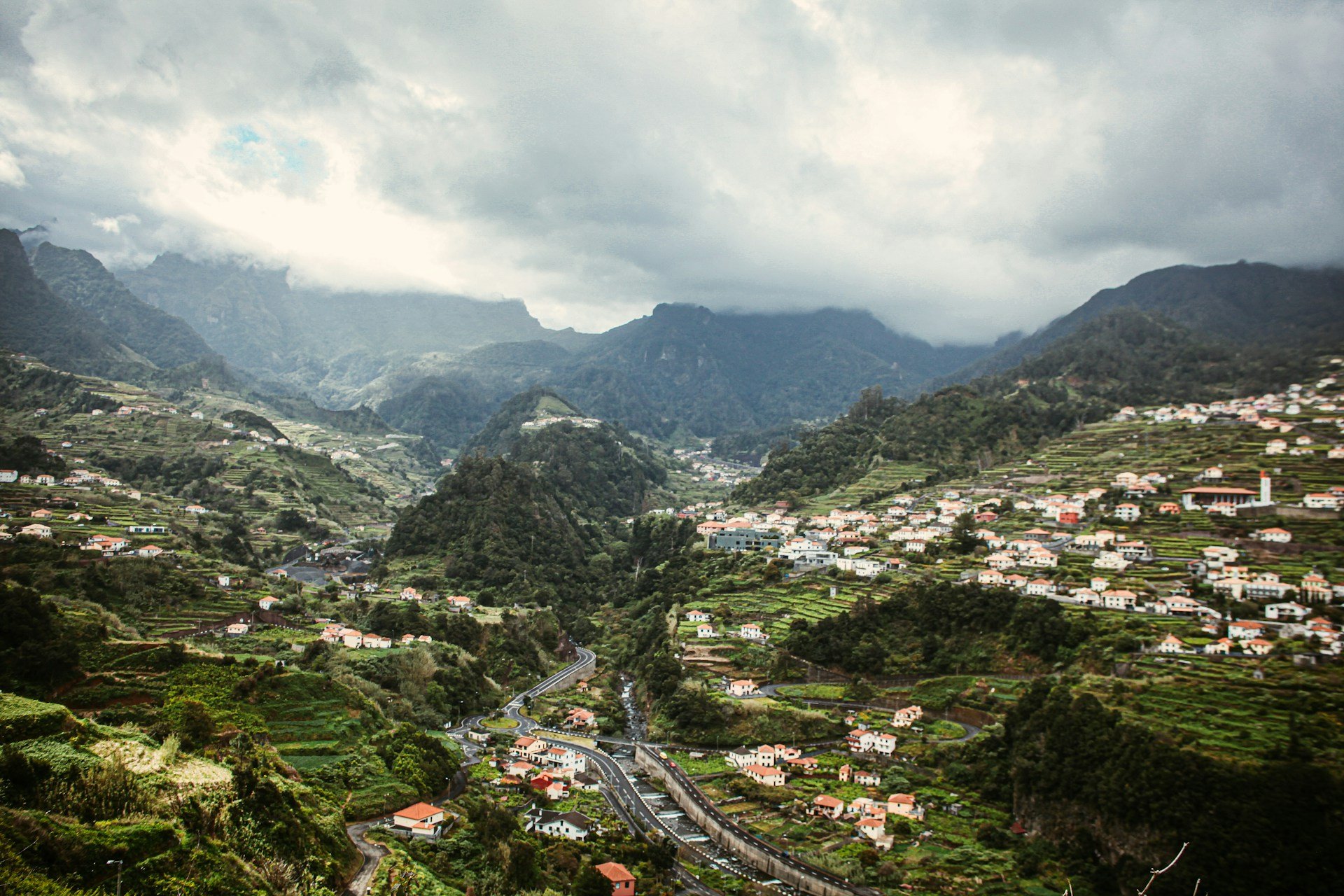
If you want to see Madeira’s mountain scenery, a guided excursion is usually the most practical option during a cruise call.
Things to do in Funchal
Mercado dos Lavradores
Funchal’s famous farmers’ market is a colourful place to browse tropical fruit, flowers, local produce and traditional ingredients. It is particularly worthwhile if you enjoy food markets and want to discover more about Madeira’s cuisine.
Check opening hours before visiting, as the atmosphere and available stalls vary by day.
Funchal Old Town
The historic centre has narrow streets, traditional buildings, churches and a lively choice of cafés and restaurants. Rua de Santa Maria is particularly well known for its decorated doors and dining options.
Be prepared for uneven paving in parts of the old town, especially if you have mobility difficulties.
Funchal Cathedral
The Sé Cathedral is one of the city’s historic landmarks, with an ornate interior and a ceiling associated with Madeira’s architectural heritage. It is worth including on a walking tour of the central area.
Cable car to Monte
The cable car climbs above Funchal, offering panoramic views of the city, harbour and surrounding hills. At the upper station, you can explore Monte and its gardens.
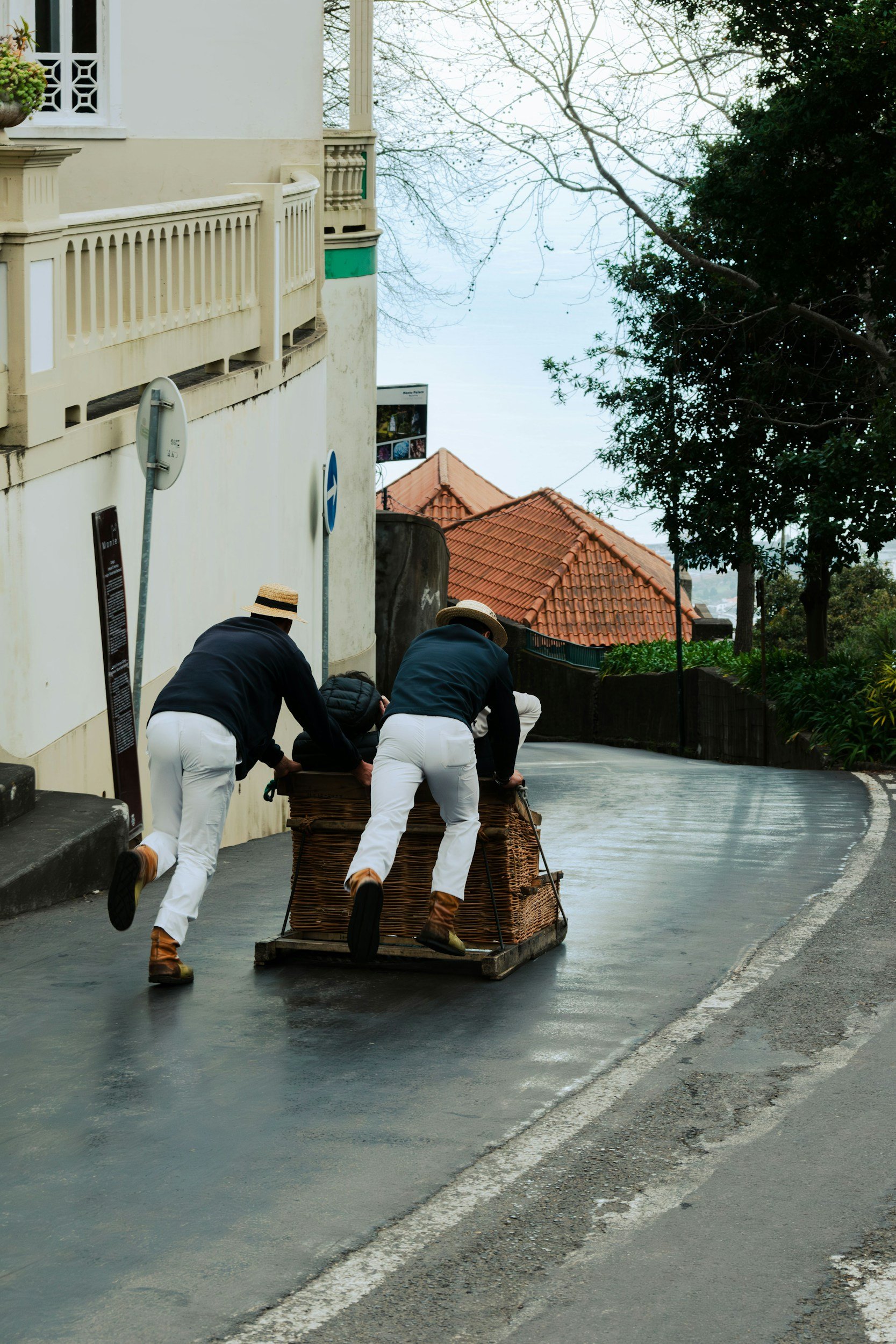
Infamous toboggan ride from Monte
The journey is a highlight for many visitors, but allow time for queues and the return trip.
Monte Palace Tropical Garden
This garden is known for its exotic plants, landscaped grounds and collections of decorative features. It is an attractive destination for garden lovers, although the sloping terrain means it may be tiring for visitors with limited mobility.
Câmara de Lobos
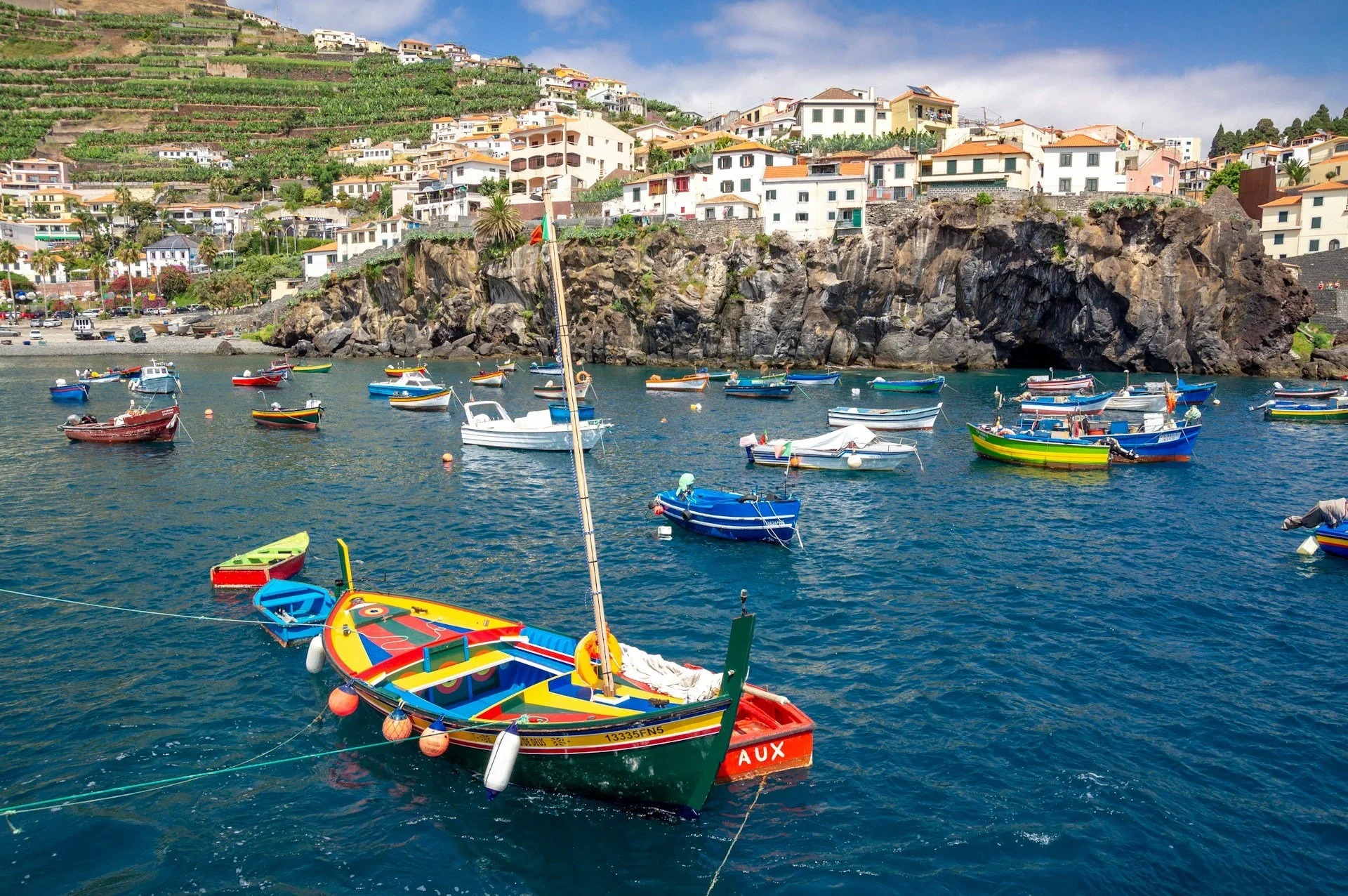
This traditional fishing village west of Funchal is famous for its colourful boats and picturesque harbour. It is a worthwhile stop if you want to see more of Madeira beyond the capital.
Cabo Girão
One of Madeira’s most famous viewpoints, Cabo Girão overlooks the coast from a dramatic sea cliff. It is often combined with Câmara de Lobos on an organised island tour.
Where to eat in Funchal
Madeira has a distinctive food culture, and Funchal is a good place to try local specialities.
Look out for:

Espetada: Beef cooked on a skewer, traditionally over a wood fire and often seasoned with garlic and bay.
Bolo do caco: A round, flatbread traditionally served warm with garlic butter.
Black scabbardfish: A local deep-water fish often served with banana or other accompaniments.
Limpets: A popular Madeiran seafood dish, commonly grilled with garlic and butter.
Bolo de mel: A rich traditional honey cake.
Poncha: A traditional drink made with sugar-cane spirit, honey and citrus.
The market area and Old Town have plenty of options for lunch. For a scenic stop, look around the marina or the waterfront, where you can enjoy a drink while watching the boats.
TUI shore excursions in Funchal
TUI’s published excursion selection includes:
Funchal 4x4 Expedition: Explore Madeira’s mountainous interior and scenic viewpoints in a four-wheel-drive vehicle. TUI notes that the itinerary is weather-dependent and the tour is not suitable for wheelchair users.
Valley of the Nuns tour: Visit viewpoints and traditional villages, with an opportunity to sample poncha.
Tukxi at the Heart of Funchal: Explore parts of the city in a three-wheeled vehicle, with stops at attractions including São Tiago Fort.
Whale and Dolphin Adventure: Head out from Funchal Marina to look for marine wildlife off Madeira’s coast.
Viewpoints and Surroundings of Funchal by Sidecar: Discover the city and its surroundings with a motorcycle driver.
If you want to see the mountainous scenery, the 4x4 expedition or Valley of the Nuns tour is worth considering. For a shorter excursion focused on the capital, the Tukxi tour offers a different way to get around.
Check the excursion description carefully if you have mobility needs, particularly for tours involving steep inclines, uneven terrain or boarding smaller vehicles.
Is Funchal easy to explore independently?
Yes, provided you plan around the hills. The marina, central streets, cathedral and market can be combined into a satisfying city visit, with plenty of opportunities to stop for food and drink.
If you want to visit Monte, Cabo Girão or the island’s mountain scenery, consider how much time you will spend travelling. Madeira’s steep terrain makes distances deceptive, and an organised tour can be more practical than trying to connect several attractions independently.
San Sebastián de La Gomera
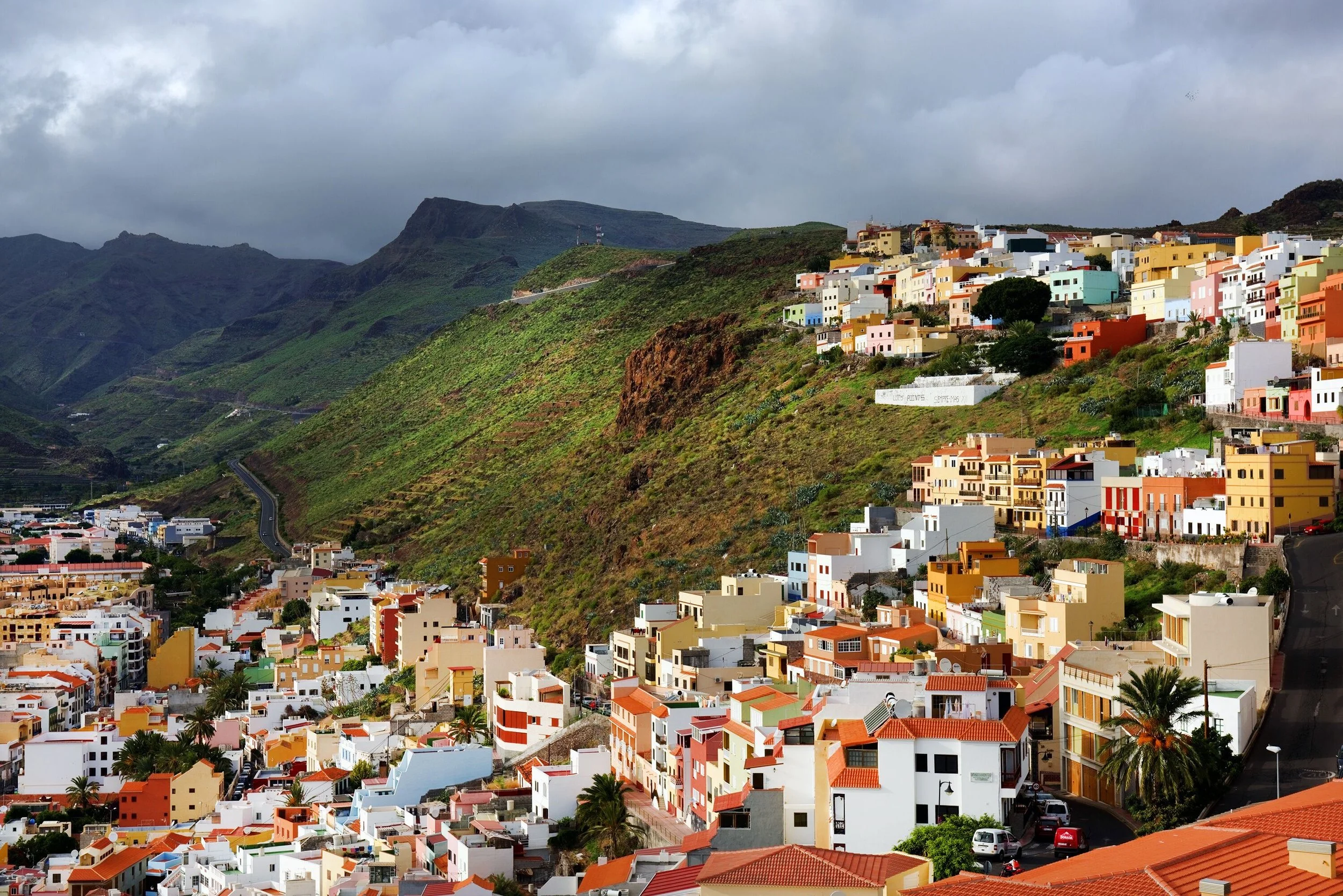
San Sebastián de La Gomera cruise port: What to expect
San Sebastián is the capital of La Gomera, a quieter Canary Island known for deep ravines, green valleys and ancient laurel forests. It has a very different atmosphere from the larger island capitals, with a compact historic centre and a relaxed waterfront.
The town is associated with Christopher Columbus, who stopped in La Gomera before his voyage across the Atlantic. You can explore the historic sights independently, or venture into the island’s mountainous interior on an organised excursion.
The port area and accessibility
The port is beside the town, making San Sebastián one of the easier destinations for independent exploration. The waterfront, marina and central streets are within walking distance of the harbour, although the exact route depends on the berth and port access arrangements.
The town has cafés, restaurants, small shops and historic landmarks. Torre del Conde, a fortified tower in a public park, is one of the most recognisable sights and provides a useful reference point when exploring on foot.
The central area is relatively compact, but some streets rise away from the waterfront and surfaces can be uneven. If you have reduced mobility, check the route and the distance from the ship, and avoid assuming that every historic attraction has step-free access.
If you book an excursion into the interior, ask about the amount of walking, gradients and whether stops involve uneven ground.
Getting around San Sebastián
Walking is the easiest way to explore the capital. The waterfront and main historic sights can be combined into a short visit without hiring a car or booking a tour.
Taxis are useful for reaching viewpoints or destinations further inland, while public buses connect San Sebastián with other parts of La Gomera. Services are less frequent than in larger cities, so check the return timetable carefully before travelling independently.
Garajonay National Park and the island’s dramatic valleys are the main reasons to leave the town. An organised excursion is often the most convenient option if your port call is short.
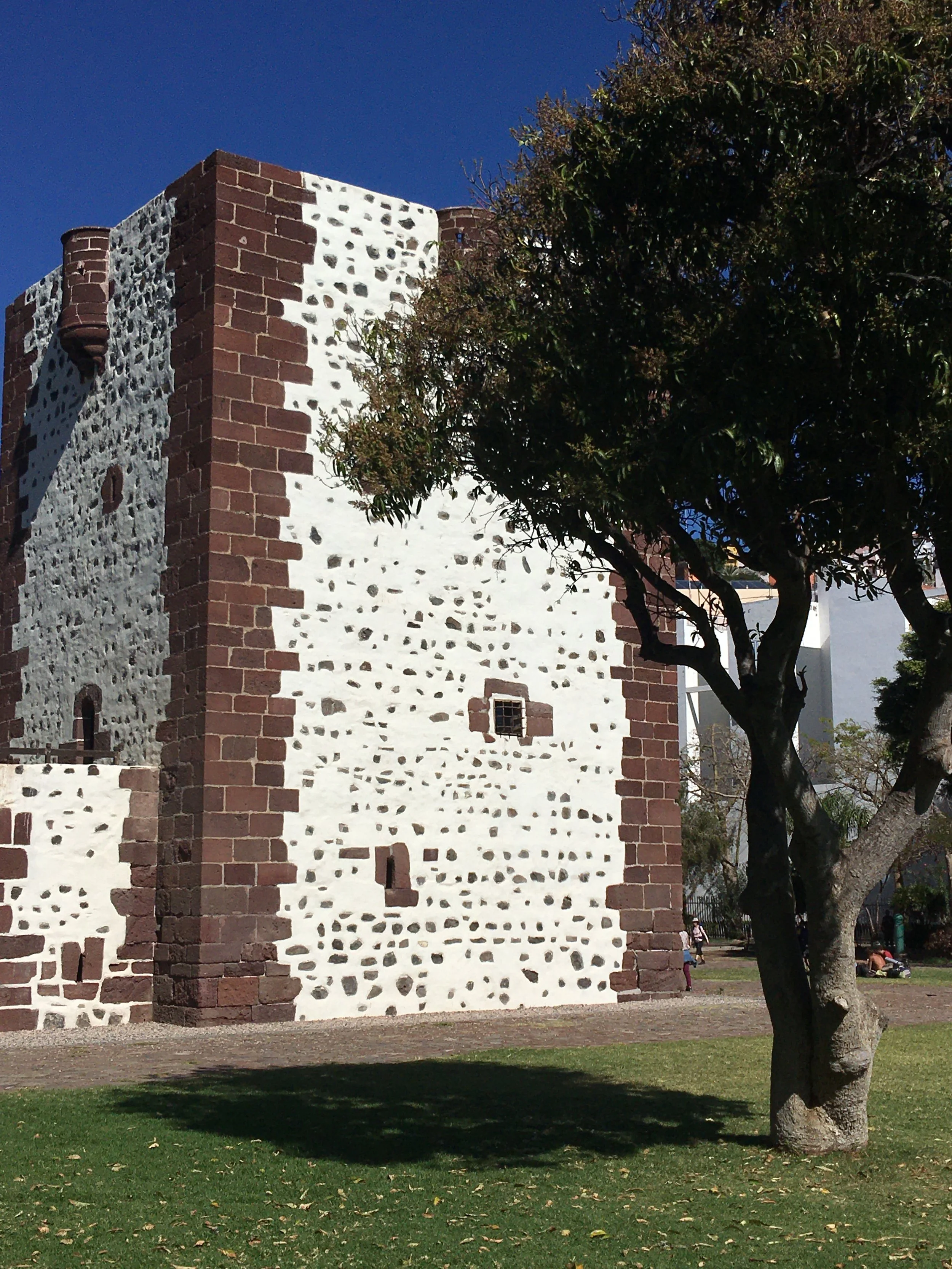
Torre del Conde
Things to do in San Sebastián de La Gomera
Torre del Conde
This historic fortified tower stands in a green public park close to the centre. It is one of the town’s best-known landmarks and an easy addition to a walking route.
Iglesia de la Asunción
The Church of the Assumption is associated with Columbus’s time on La Gomera. Its history makes it an interesting stop if you enjoy maritime history and the story of the voyages to the Americas.
Casa de Colón
This small museum is associated with Columbus and the island’s links to the Age of Discovery. Check its opening arrangements before visiting, particularly if you are ashore for only a few hours.
Plaza de las Américas
This central square is a convenient place to pause for a coffee and watch everyday life in the town. It is also a useful meeting point if you are exploring independently.
Garajonay National Park
La Gomera’s mountainous interior is covered in ancient laurel forest, with misty paths, deep ravines and viewpoints. Garajonay is the island’s standout attraction for walkers and nature lovers.
The park is not within easy walking distance of the cruise port, and reaching its main sights requires transport. If you want to experience the forest, choose an excursion that specifies its stops and walking requirements rather than relying on a general promise to visit the park.
Roques de Agando
These distinctive rock formations rise above the island’s green mountain landscape and are among La Gomera’s most recognisable natural landmarks. They are often included in island sightseeing tours.
Where to eat in San Sebastián
The town has a selection of small restaurants and cafés around the centre and waterfront. It is a good place to enjoy a relaxed meal rather than a full day of shopping or sightseeing.
Local dishes and products to look for include:
Almogrote: A strong, spreadable cheese paste made with mature cheese, garlic, oil and pepper.
Potaje de berros: A traditional watercress soup or stew.
Gofio: Toasted grain flour used in Canarian cooking.
Local goat’s cheese and honey: Common products on the island, often served as part of a simple starter or tasting plate.
Gomerón: A traditional La Gomera drink made with grape spirit and palm honey.
If you want to try local specialities, ask about the island’s own dishes rather than choosing solely from an international menu.
TUI shore excursions in San Sebastián de La Gomera
TUI’s published excursions include:
Scenic La Gomera: A driving tour through the capital and the island’s interior, with stops at viewpoints and traditional villages. The published description includes Los Roques de Agando, Chipude, El Cercado and La Laguna Grande, where visitors can learn about Silbo Gomero, the island’s whistling language.
In the Footsteps of Columbus: A walking-and-driving tour focused on the island’s history and scenery.
La Gomera Hike: A guided walk in the Garajonay National Park area.
Sights and Tastes of La Gomera: A scenic tour with a stop to sample local products such as honey, cheese and wine.
Panoramic La Gomera: A driving tour designed to introduce visitors to the island’s landscapes and villages.
Scenic La Gomera is a good option if you want to see the island beyond its capital without undertaking a strenuous walk. The hiking excursion is more suitable if you are comfortable with several hours on foot.
TUI flags some tours as unsuitable for wheelchair users, and walking shoes are recommended for certain excursions. Check the individual listing before booking.
Is San Sebastián de La Gomera easy to explore independently?
Yes. The town is compact, and the historic sights, waterfront and cafés make a pleasant port visit without a tour.
However, La Gomera’s most distinctive landscapes lie inland. If you want to see the laurel forest, mountain viewpoints and traditional villages, I would choose a guided island tour rather than relying on local buses during a short call.
Santa Cruz de La Palma
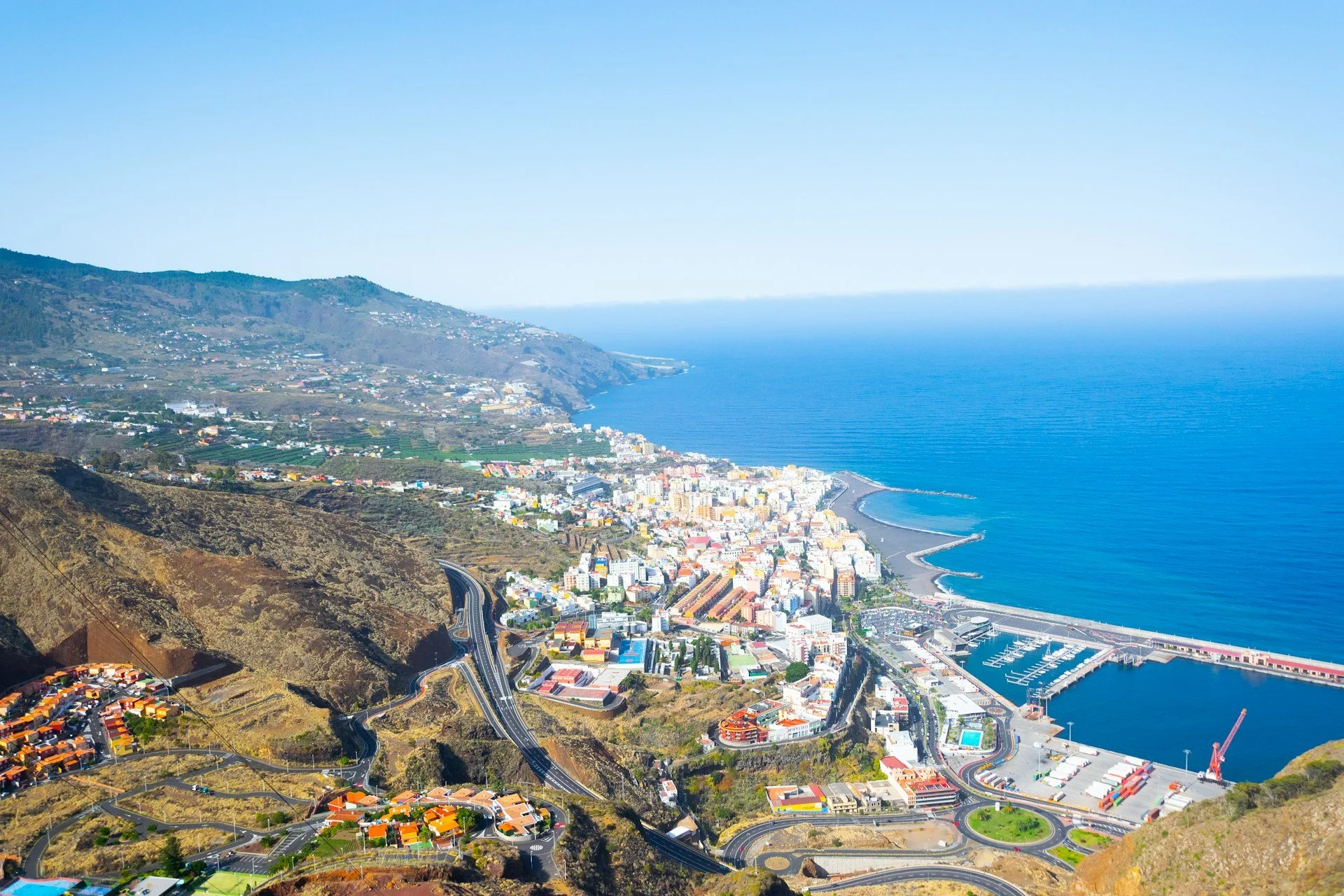
Santa Cruz de La Palma cruise port: What to expect
Santa Cruz de La Palma is the capital of La Palma, often called La Isla Bonita, or the Beautiful Island. The island is known for its green mountains, volcanic landscapes, pine forests and traditional towns.
The capital is one of the most attractive places to explore on foot on this itinerary, with colonial-style buildings, wooden balconies, historic churches and small squares. If you want to venture further inland, La Palma also offers dramatic volcanic scenery and viewpoints over its mountainous interior.
The port area and accessibility
The cruise port lies close to the city, so the historic centre is generally accessible on foot from the passenger exit. Follow the designated route from your berth and check whether your sailing has any specific port transfer arrangements.
The central streets, shops and cafés are within reach of the waterfront. The old town has a mixture of paved streets, pedestrian areas and traditional surfaces, so some routes may be easier than others for visitors with limited mobility.
The flatter waterfront is generally the most straightforward place to start. As you move into the historic streets, look out for uneven paving, kerbs and occasional slopes. If you use a wheelchair, check individual attractions and restaurant access before setting out.
For trips into the island’s mountainous interior, an accessible vehicle and advance planning may be necessary. The most scenic areas are not all close to the capital.
Getting around Santa Cruz de La Palma
Walking is ideal for exploring the historic centre. You can browse the shops, visit the main square and admire the traditional architecture without needing to travel far from the ship.
Taxis are useful for reaching viewpoints and attractions outside the city. Public buses connect the capital with other parts of La Palma, but the island’s winding roads mean that journeys can take longer than expected.
If you want to visit the Caldera de Taburiente, the volcanic landscapes or the island’s higher viewpoints, consider a guided excursion or pre-arranged transport. Allow plenty of time for the return journey.
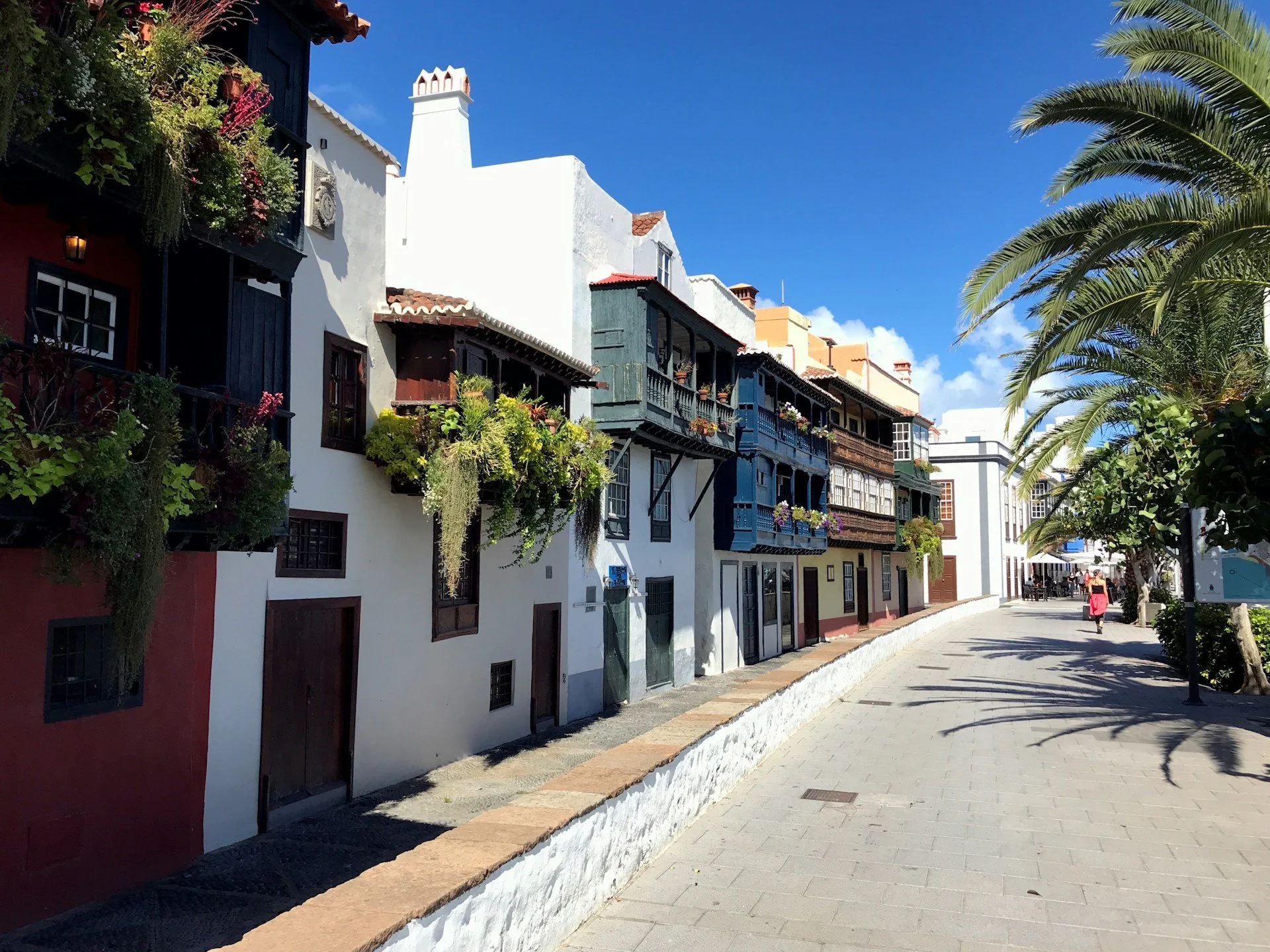
Things to do in Santa Cruz de La Palma
Calle O’Daly
This is one of the main streets in the historic centre, lined with traditional buildings, shops and cafés. It is a good place to begin exploring the town and see the architecture that gives La Palma its character.
Plaza de España
The main square is surrounded by historic buildings and is one of the city’s most attractive spots. It is a convenient place to pause during a walking tour and explore the surrounding streets.
Avenida Marítima and the wooden balconies
The waterfront is famous for its traditional wooden balconies, which make a distinctive backdrop for photographs. The avenue is one of the best places to appreciate the relationship between the historic town and the Atlantic.
Iglesia de El Salvador
This historic church stands beside Plaza de España and is one of the capital’s principal landmarks. If it is open during your visit, it is worth looking inside as well as admiring the exterior.
Mercado de Santa Cruz de La Palma
A traditional market is a useful place to look for local produce and get a sense of everyday life. Check opening days and hours before visiting, as markets may not operate on every day of the week.
Caldera de Taburiente National Park
La Palma’s mountainous interior includes the vast Caldera de Taburiente, a dramatic landscape of ravines, pine forests and steep slopes. It is a major attraction for walkers and nature lovers.
The park is some distance from the port and requires transport. Check whether an excursion visits a particular viewpoint or includes a hike, as those experiences can involve very different levels of physical activity.
Volcanic landscapes
La Palma’s volcanic history is visible across the island, from black lava fields to more recent volcanic terrain in the south. If you want to explore these areas, choose a tour that specifies its route and stops rather than assuming all volcanic excursions visit the same locations.
Where to eat in Santa Cruz de La Palma
The historic centre has cafés, bakeries and restaurants where you can enjoy lunch without travelling far from the port.
Look for local specialities such as:
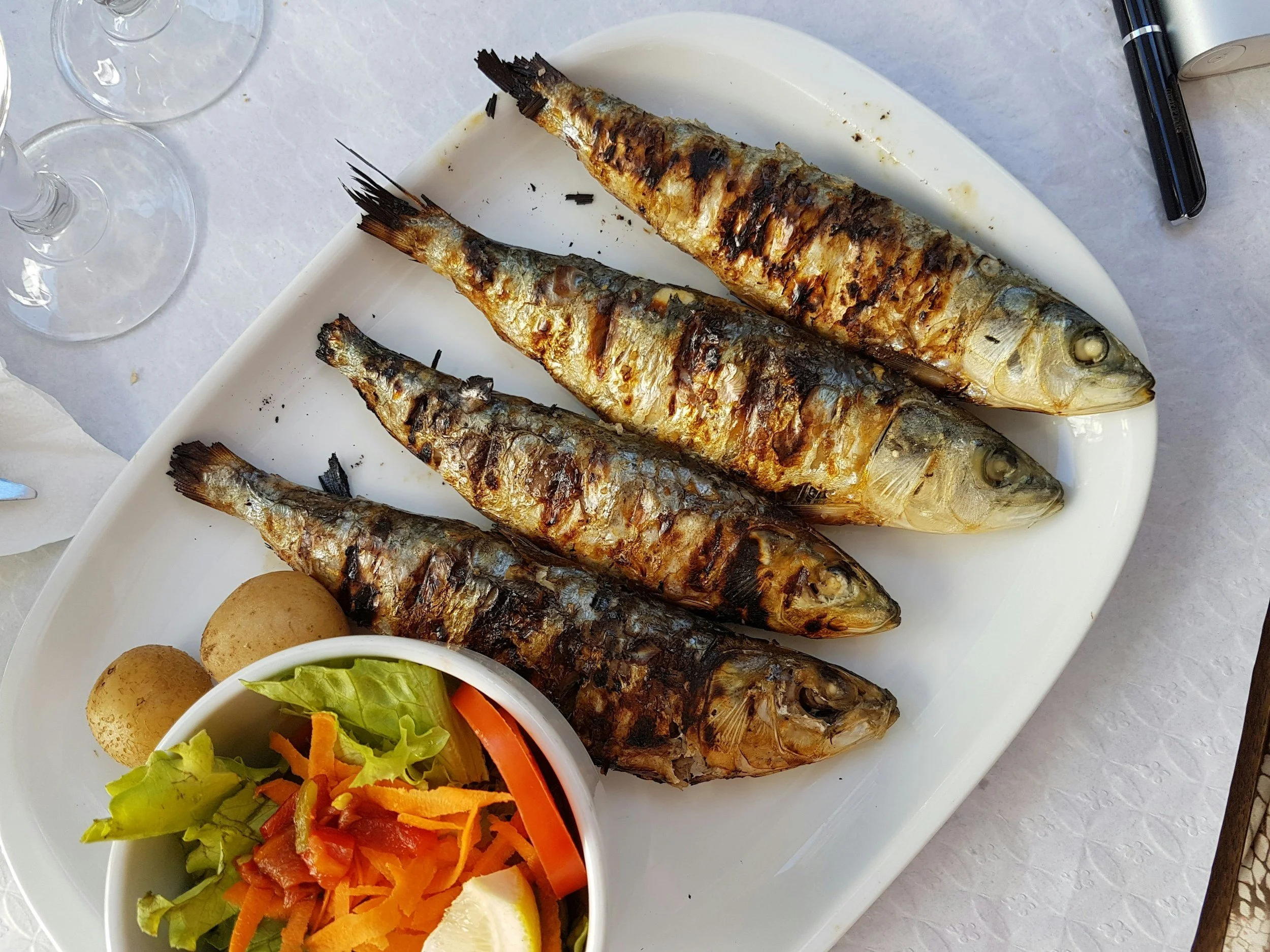
Papas arrugadas with mojo: A familiar Canarian favourite.
Fresh fish: Often served simply, with potatoes or vegetables.
Almogrote: A cheese-based spread associated with the Canary Islands.
Bienmesabe: A sweet almond-based dessert found in Canarian cooking.
Local wines: La Palma has its own wine-growing tradition, with vineyards shaped by the island’s volcanic terrain.
The streets around the old town and Plaza de España are good places to look for a meal. If you prefer a quick stop, a café in the centre makes it easy to combine lunch with sightseeing.
TUI shore excursions in Santa Cruz de La Palma
TUI’s published excursions include:
Santa Cruz de La Palma Sightseeing by Trolley Train: A guided tour of the capital, taking in historic streets, churches, statues and traditional buildings.
Off Road Buggy Adventure: An excursion into La Palma’s countryside, travelling along mountain roads and off-road tracks.
Island sightseeing excursions: Check your sailing’s excursion list for additional tours into the island’s volcanic landscape and natural attractions.

The trolley train is worth considering if you want an introduction to the town without organising a walking route yourself. The buggy adventure is much more active and may not be suitable for everyone.
Check the individual excursion description for mobility restrictions, driving requirements and the amount of time spent on uneven ground.
Is Santa Cruz de La Palma easy to explore independently?
Yes. The historic centre is close enough to the port to make an independent visit worthwhile, particularly if you enjoy architecture, shopping and relaxed café stops.
If you want to see La Palma’s mountains or volcanic landscapes, book transport or an excursion in advance. The scenery is spectacular, but the island’s winding roads make it difficult to cover distant attractions in a short port call without careful planning.
Which TUI excursions are worth considering?
Marella’s Canarian Flavours itinerary offers a mix of city sightseeing, beach transfers, scenic drives, wildlife experiences and trips into the islands’ volcanic and mountainous interiors.
You do not need to book an excursion in every port. Some destinations, including Santa Cruz de La Palma and San Sebastián de La Gomera, are well suited to independent exploration around the town centre. Excursions become more useful when you want to reach attractions further inland or see several places during a single port call.
Here are some of the published TUI excursions to consider, depending on which destinations feature on your sailing.
TUI Shore Excursions at a Glance
These are examples of excursions offered by TUI across the Canarian Flavours destinations. Availability, names and itineraries can vary by ship and departure date. Check your own cruise booking for the current selection.
| Port | Excursion examples | Best for |
|---|---|---|
| Santa Cruz de Tenerife | Scenic Mount Teide; Tenerife Bike Tour | Volcanic scenery, mountain views and active sightseeing |
| Las Palmas, Gran Canaria | Maspalomas Beach Transfer | Beach time and the island's famous sand dunes |
| Arrecife, Lanzarote | Panoramic Lanzarote; Timanfaya and its Volcanoes; Puerto del Carmen Transfer; Rancho Texas Park | Volcanic landscapes, island sightseeing, beaches and family attractions |
| Puerto del Rosario, Fuerteventura | 4x4 Adventure | Rural landscapes, remote viewpoints and off-road exploration |
| Funchal, Madeira | Tukxi at the Heart of Funchal; Valley of the Nuns; Funchal 4x4 Expedition; Whale and Dolphin Adventure | City sightseeing, mountain scenery and marine wildlife |
| San Sebastián de La Gomera | In the Footsteps of Columbus; Panoramic La Gomera; Sights and Tastes of La Gomera; La Gomera Hike | Island history, local food, scenery and walking |
| Santa Cruz de La Palma | Santa Cruz de La Palma Sightseeing by Trolley Train; Off Road Buggy Adventure | Town sightseeing or a more adventurous island experience |
Accessibility note: excursions involving hiking, uneven ground, off-road vehicles or mountain routes may not be suitable for every traveller. Check the activity level, mobility requirements and current excursion details with TUI before booking.
My picks for each destination
For dramatic scenery: Choose Scenic Mount Teide in Tenerife, Timanfaya and its Volcanoes in Lanzarote, or the Funchal 4x4 Expedition in Madeira.
For a relaxed beach day: Consider the Maspalomas Beach Transfer from Las Palmas or the Puerto del Carmen Transfer from Arrecife.
For local history and culture: The trolley train in Santa Cruz de La Palma and the Columbus-themed excursions in La Gomera offer an introduction to the islands’ heritage.
For nature lovers: The La Gomera hiking excursion and Madeira’s Valley of the Nuns tour are worth investigating if you enjoy green landscapes, mountain viewpoints and rural scenery.
For families: Rancho Texas Park in Lanzarote may appeal to families looking for an organised activity beyond sightseeing.
Booking excursions with Marella Cruises
TUI’s published excursion pages provide details of individual tours, including activity levels and restrictions where applicable. However, the selection shown online may not be identical for every Canarian Flavours departure.
Before booking, check:
Whether the excursion is offered on your ship and sailing date.
The total duration, including transfers.
What is included in the price.
Walking distances, gradients and terrain.
Any age restrictions or physical requirements.
Accessibility arrangements and vehicle suitability.
Whether the excursion leaves enough time for the ship’s departure.
Prices and availability can change, so use your own TUI booking for the final details.
If you are deciding between an organised excursion and independent exploration, consider the distance to your chosen attraction as well as the time you have in port. A town visit may be straightforward to arrange yourself, whereas an excursion into the mountains or across an island can be much easier with transport organised in advance.
The Lowdown
Canarian Flavours is a good option if you want to combine several Atlantic islands in one holiday without having to organise flights, hotels and transfers between destinations yourself.
The variety is one of its biggest attractions. Tenerife and Gran Canaria offer lively cities and access to major sights, Lanzarote is known for its volcanic landscapes, and Fuerteventura is the island to prioritise if you love long sandy beaches. Madeira adds mountain scenery, gardens and a distinctive Portuguese food culture, while La Gomera and La Palma offer a quieter side of the Canaries.
My advice is to plan each port around one main experience rather than trying to see everything. In Santa Cruz de Tenerife, you could concentrate on the city or commit to an excursion to Mount Teide. In Lanzarote, decide whether you want to explore Arrecife or travel into the volcanic interior. In Madeira, allow time for the hills and travel between attractions, and in La Gomera, choose between a relaxed town visit and a trip into the island’s green interior.
You can save money by exploring some port towns independently, particularly where the historic centre is within walking distance of the ship. However, an organised excursion can be worthwhile when you want to reach a distant attraction, visit several places in one day or avoid the uncertainty of arranging transport yourself.
Accessibility is another consideration. The flatter waterfront areas and central streets can be relatively straightforward to explore, but historic paving, steep gradients and uneven terrain make some destinations more challenging. Check the arrangements for your particular ship and any excursion before travelling.
Remember that Canarian Flavours covers several itinerary variations. Not every sailing visits every destination in this guide, and the order of ports and time ashore may differ. Always confirm your own itinerary before making plans.
The bottom line: If you enjoy a mixture of sightseeing, local food, coastal scenery and volcanic landscapes, Canarian Flavours offers plenty of variety. The best experience comes from choosing a few highlights in advance while leaving enough time to enjoy each island at its own pace.
Canarian Flavours Frequently Asked Questions
Which ports does Marella Cruises’ Canarian Flavours itinerary visit?
The ports vary by ship and departure date. Versions of Canarian Flavours can include destinations such as Tenerife, Gran Canaria, Lanzarote, Fuerteventura, Madeira, La Gomera and La Palma. Check your own itinerary for the confirmed ports of call.
What can you do on a Canarian Flavours cruise?
Depending on the port, options include exploring historic towns, visiting volcanic landscapes, relaxing on beaches, taking scenic island tours, sampling local food and booking organised shore excursions.
Can you explore the ports independently?
Many ports have towns, attractions or places to eat that can be explored independently, although distances, terrain and transport options vary. Check the practical information for each port and allow enough time to return to the ship.
Are TUI shore excursions included in the cruise fare?
Shore excursions are generally optional extras rather than part of the standard cruise fare. Check your booking for current excursion prices, availability and inclusions.
Does every Canarian Flavours cruise visit all the same islands?
No. The itinerary can vary between ships and departure dates, so use the port list in your own booking when planning excursions.