
Marella Cruises Exotic Islands: Complete Port Guide
Planning a Marella Cruises Exotic Islands cruise? This detailed port guide covers Barbados, St Lucia, Grenada, Bequia, Curaçao, Aruba and Bonaire, with practical advice on cruise terminals, things to do, the best beaches, local food and drink prices, shopping, transport, accessibility and TUI shore excursions. Itineraries vary by ship and departure date, so check which islands your cruise visits before you travel.
Marella Cruises Exotic Islands: Ports, Beaches and Things to Do
Marella Cruises’ Exotic Islands itinerary takes you to some of the most distinctive destinations in the southern Caribbean, from colourful Dutch-influenced waterfronts and historic island capitals to beautiful beaches, coral reefs and lush tropical landscapes.
Depending on your ship and departure date, your cruise may include Barbados, St Lucia, Grenada, Bequia, Curaçao, Aruba or Bonaire. Each island has its own character, whether you want to explore independently, discover local history, spend time on the beach or venture inland on a guided excursion.
This guide covers all seven destinations associated with Marella’s Exotic Islands cruises, including what to see and do, how to get around, the practicalities of each port and the excursions worth considering.
Please note: Not every Exotic Islands sailing visits all the ports listed below. Itineraries, port order, arrival and departure times, and the ship operating the cruise can vary by departure date. Always check your specific itinerary before making independent travel arrangements.
Marella Cruises Exotic Islands at a Glance
| Cruise line | Marella Cruises |
| Region | Southern Caribbean |
| Departure port | Bridgetown, Barbados, on relevant itineraries |
| Ports covered | Barbados, St Lucia, Grenada, Bequia, Curaçao, Aruba and Bonaire |
| Cruise duration | Typically 7 nights, depending on the itinerary |
| Ships | Marella Explorer 2 and Marella Voyager on relevant sailings |
| Holiday highlights | Caribbean beaches, historic towns, tropical scenery, wildlife, snorkelling and watersports |
| Getting ashore | Mainly alongside berths; tender transfers may be required at Bequia |
Important: Not every sailing visits all seven destinations. Ports, itinerary order, ship and duration vary by departure date. Check your confirmed itinerary before travelling.
Caribbean Port Areas and Accessibility
The arrival experience varies considerably between the islands. Some cruise terminals are close to historic town centres, shops and restaurants, while others are better regarded as starting points for a taxi journey or organised excursion.
Bridgetown, Castries, Willemstad, Oranjestad and Kralendijk all have town areas that can be explored independently, although distances, pavement conditions and the location of your assigned berth matter. In Bequia, the tender journey is an important consideration for anyone with reduced mobility.
If you prefer to stay close to the ship, look for destinations where the waterfront and main shopping streets are within a comfortable walking distance. For beaches, rainforest scenery and attractions elsewhere on an island, you will generally need transport.
Accessibility varies between ports and individual attractions. Even where the cruise terminal is accessible, that does not necessarily mean the surrounding streets, beaches, boats or excursion vehicles are suitable for every mobility requirement. Check arrangements with Marella before booking an excursion or taking a mobility aid ashore.
Bridgetown, Barbados
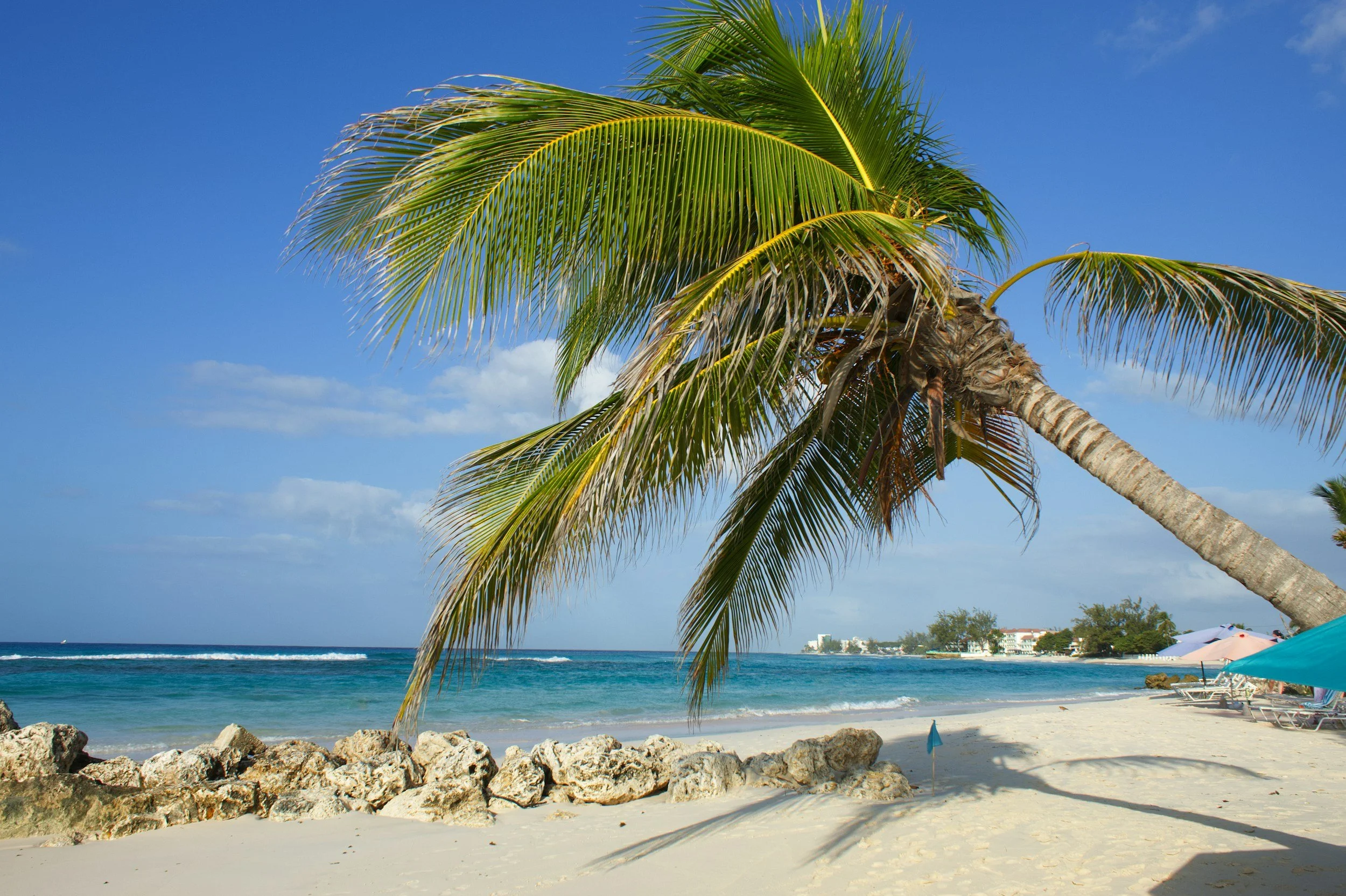
Barbados is more than a convenient starting point for a Caribbean cruise. With its British colonial heritage, lively food culture, rum-making traditions and long stretches of coastline, the island offers a mixture of history, sightseeing and beach time.
Bridgetown, the capital, developed as an important trading port during British colonial rule. Historic Bridgetown and its Garrison are recognised as a UNESCO World Heritage Site, reflecting the island’s colonial history and military importance. Today, the capital combines historic buildings and busy shopping streets with a waterfront that remains central to island life.
For cruise passengers, Barbados is relatively easy to explore independently, although the main cruise terminal is outside the historic city centre. You can spend the day exploring Bridgetown, take a taxi to Carlisle Bay for swimming and snorkelling, or book an excursion to discover more of the island.
Cruise Port: What to Expect
Marella ships use the Bridgetown Cruise Terminal, a dedicated cruise facility with shopping, passenger amenities and access to local transport. It is a working port rather than a terminal directly on the main city streets, so you should allow time to travel into central Bridgetown.
The terminal complex has duty-free shops, souvenir outlets and places to buy refreshments. Taxis and excursion transport are available, making it straightforward to arrange a trip to the city, a beach or an attraction elsewhere on the island.
If you want to explore on foot, bear in mind that the walk from the terminal to the historic centre is roughly 1.5-2 km, depending on your route and destination. In tropical heat, a taxi may be worthwhile for the outward journey, leaving you free to explore the centre on foot.
Language: English
Currency: Barbadian dollar (BBD). US dollars are widely accepted, although change may be given in local currency.
Distance to town: Approximately 1.5-2 km to central Bridgetown.
Accessibility: Check gangway access and the availability of suitable transport if you have mobility requirements. Pavements and crossings on the route into town can be uneven.
Getting Around Barbados
Taxis are one of the easiest ways to travel from the cruise terminal to Bridgetown, Carlisle Bay and other popular attractions. Agree the fare before setting off if it is not being charged at a fixed published rate.
For a short visit to the capital, you can walk between the main shopping streets, historic buildings and waterfront once you reach the centre. Local buses and minibuses are another option, although they may be less convenient if you are trying to reach several attractions within a limited port call.
Organised tours are useful for destinations further inland, including Harrison’s Cave, gardens and historic sites. Barbados drives on the left, but hiring a car for a single port day is not necessary for most visitors.
Things to Do in Bridgetown and Barbados
Explore Historic Bridgetown
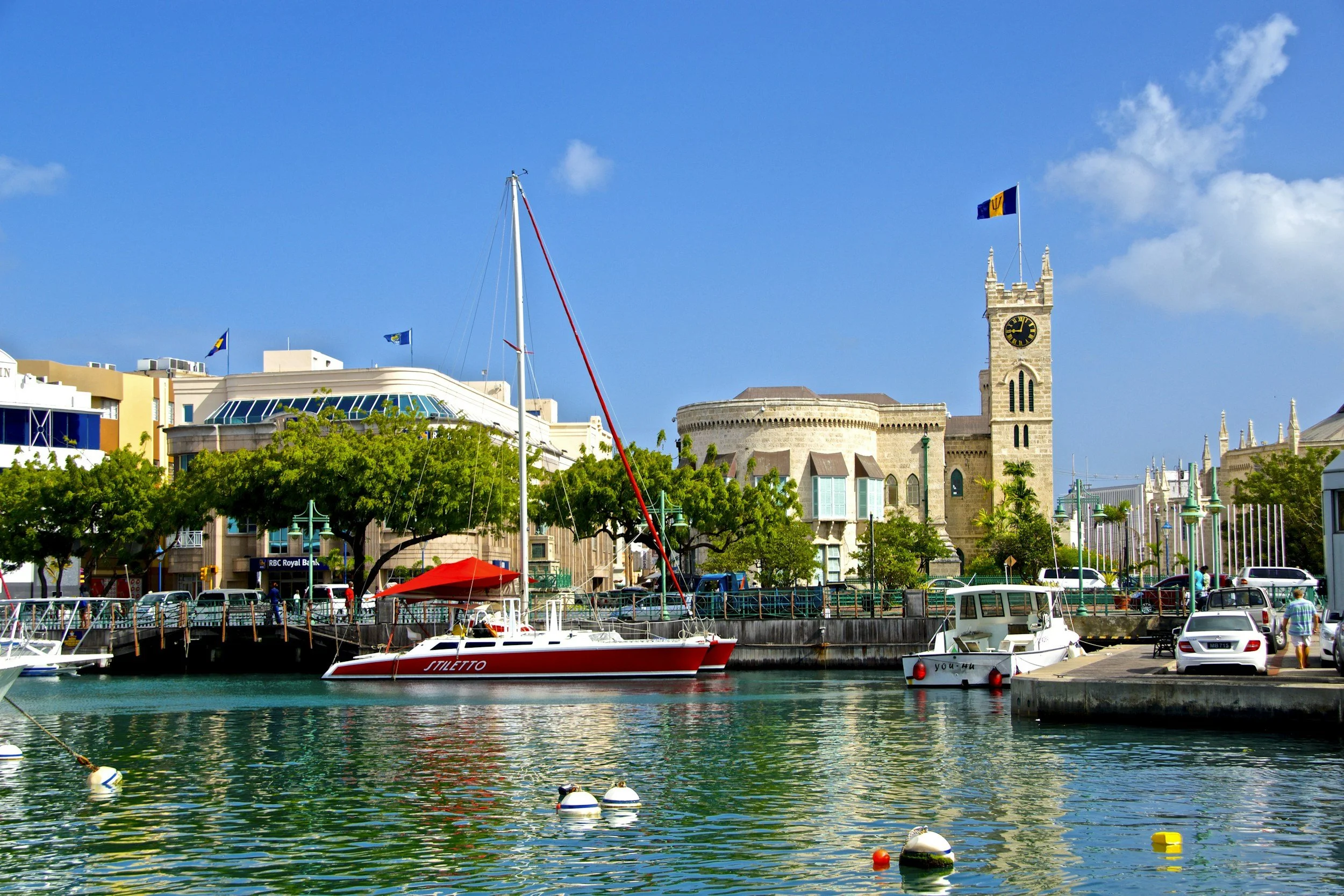
Start around the Careenage, the sheltered inlet at the heart of the historic port. From here, explore the surrounding streets, historic buildings and shops. Broad Street is the main shopping thoroughfare, while the Parliament Buildings and nearby Independence Square provide a glimpse into Barbados’ political and colonial history.
Allow a couple of hours for a relaxed walk and time for refreshments. If you are interested in the island’s past, look for guided walking tours that explain the history of the town and its connections to the British Empire and the transatlantic slave trade.
Visit Carlisle Bay
Carlisle Bay is one of Barbados’ most popular beaches and a particularly good choice for cruise passengers who want to combine swimming with snorkelling. The bay is known for its clear water and shipwreck sites, where snorkellers may see tropical fish and sea turtles.
The beach is south of the cruise terminal and is best reached by taxi or an excursion transfer. Facilities vary by section of beach, so check where you will be dropped off if you want sun loungers, refreshments or watersports.
Book a day at The Boatyard
My personal recommendation is a visit to The boat yard which is around a 20 minute walk or short taxi ride from the port. We first discovered it when my daughter worked on a cruise ship - it is a crew favourite,
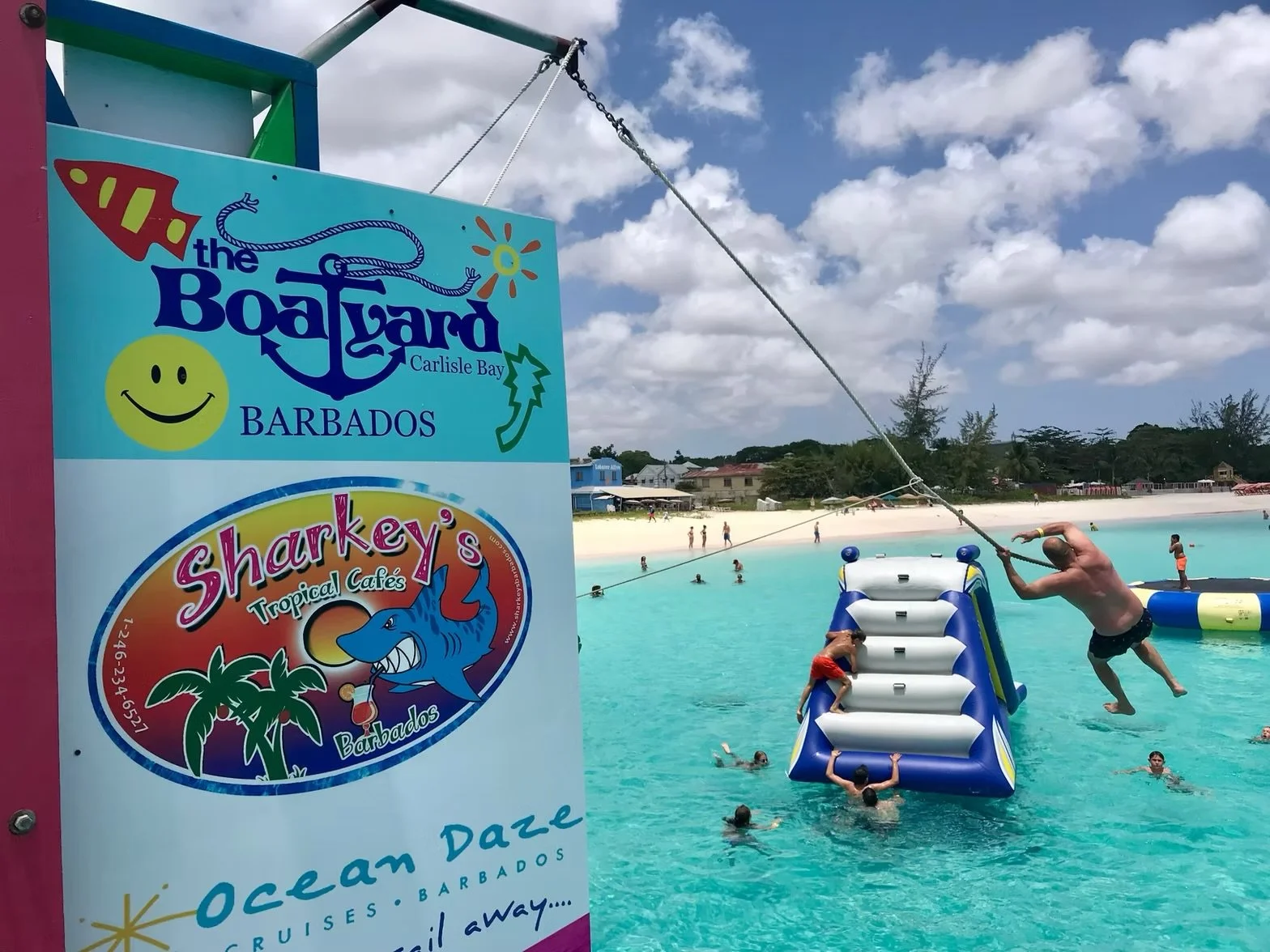
The standard Day Pass package for non-resident visitors is US$40 for adults and US$25 to US$30 for children.
The exact conversion to British Pounds (GBP) based on current exchange rates is approximately:
Adult Admission: £30.00 (US$40)
Child Admission: £18.75 to £22.50 (US$25 – US$30)
What is included in your entry fee?
The pass acts as a package rather than a flat fee, making it highly economical for cruise ship passengers or day visitors:
Beach Amenities: Access to a shared beach umbrella, ocean-side sun loungers, ocean trampolines, and climbing icebergs.
Snorkel Excursion: A 45-minute boat tour out to the shipwrecks in Carlisle Bay to snorkel and swim with sea turtles.
Food/Drink Credit: If you are visiting from a cruise ship, your pass includes a complimentary welcome drink and a free taxi ride back to the Bridgetown cruise terminal
Getting to The Boatyard from the Cruise Terminal
The Boatyard is very close to the Bridgetown Cruise Terminal, located just over a mile south down the coast. You have two easy ways to get there:
By Taxi (Recommended for speed): As soon as you walk past the terminal security, you will see a managed taxi stand. A taxi to The Boatyard takes only 5 to 10 minutes and costs a standard flat rate of US$5 per person (roughly £4.00).
On Foot (Scenic & Free): If you prefer a stroll, it is a safe, flat, and straightforward 20 to 30-minute walk. Simply head out of the pedestrian exit at the terminal, turn right, and walk with the ocean on your right-hand side. The route will take you along the Bridgetown boardwalk and straight onto Bay Street.
Note: Your entry pass includes a complimentary shuttle bus back to the ship at the end of the day, so you only need to worry about one-way transit to get there!
Best Time to Arrive
The Boatyard operates strictly on a first-come, first-served basis and does not take advanced reservations.
The Golden Hour: The club opens daily at 9:00 AM. I highly recommend aiming to arrive between 9:00 AM and 9:45 AM.
Why early? Because of its excellent value, it is incredibly popular with cruise passengers. By 10:30 AM on days when multiple large cruise ships are in port, long queues form at the entrance, and the prime front-row beach loungers fill up fast. Arriving early also guarantees you get booked onto one of the morning snorkel boat slots before the midday heat sets in
Discover Harrison’s Cave
Harrison’s Cave is an extensive limestone cave system featuring stalactites, stalagmites, streams and underground chambers. Visitors generally explore on a guided tram tour, making it an option for those who want to see the island’s interior without a strenuous hike.
It is some distance from Bridgetown, so allow for the road journey as well as the tour itself.
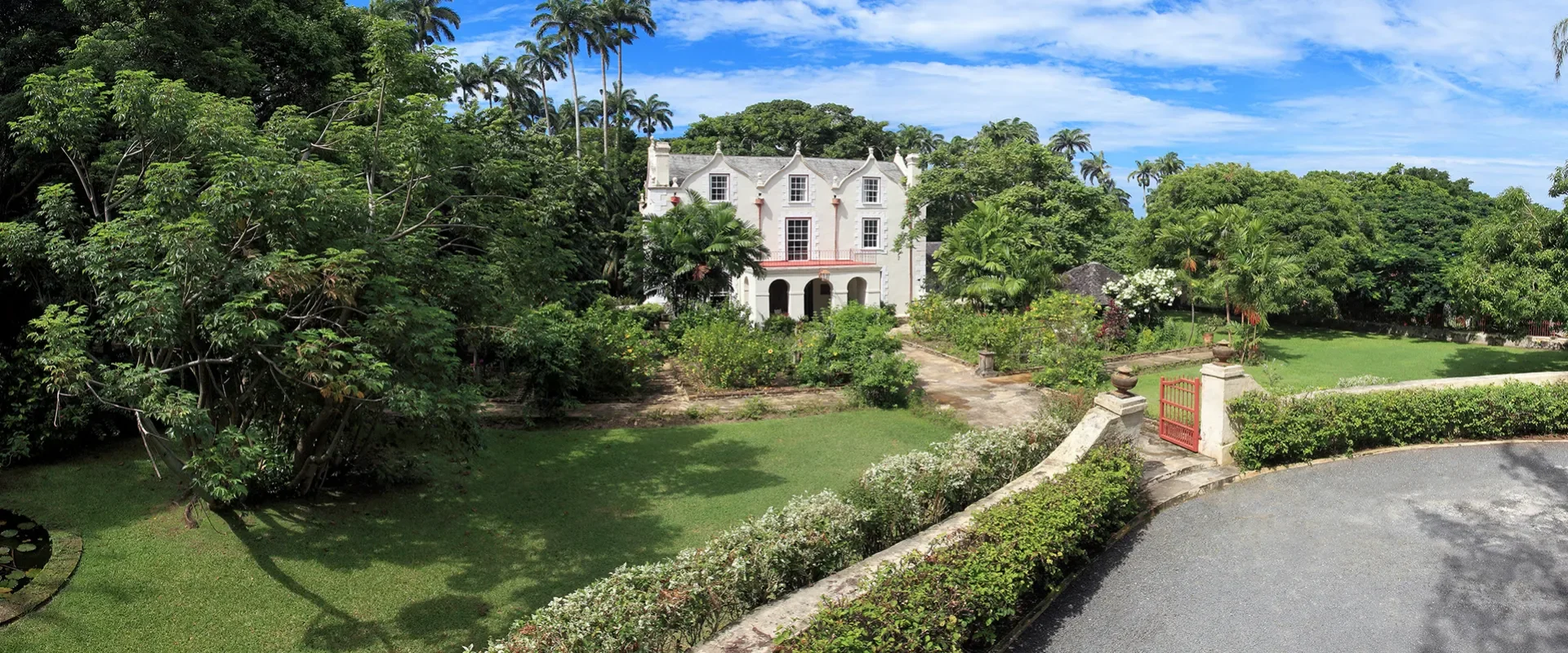
St Nicholas Abbey
Visit St Nicholas Abbey
Despite its name, St Nicholas Abbey is a historic plantation house rather than a religious building. The estate offers insight into Barbados’ colonial history, architecture and rum-making heritage. It is a longer excursion from the port and is best combined with other northern-island sights on a guided tour.
Take a Scenic Island Tour
A sightseeing tour can include viewpoints, historic buildings, villages and sections of the island’s coastline. Barbados is relatively small, but traffic and the number of stops can affect how much you see during a port call.
Where to Eat in Bridgetown
Barbadian cuisine, often called Bajan food, is worth seeking out rather than settling for familiar international dishes. Seafood, seasoning peppers, herbs, rice, peas and root vegetables feature prominently.
Mustor’s Restaurant is a long-established, informal choice on McGregor Street in Bridgetown. It serves traditional Bajan cooking, including flying fish, other fish dishes and sides such as macaroni pie and cou-cou. It is a useful option for a local-style lunch while exploring the capital. Check its opening hours before setting off, as it operates mainly during the day.
Shanti’s Rum and Roti, on Tudor Street, is another casual choice, particularly if you fancy a filled roti with curried meat or vegetables. It is in central Bridgetown and can fit well into a shopping and sightseeing day.
Coconut Bar & Grill, by the cruise terminal, is convenient if you want food or a drink without travelling into town. It is a practical option before or after a shore excursion.
Local Dishes to Try
Cou-cou and flying fish: Barbados’ national dish, traditionally combining a cornmeal-and-okra preparation with seasoned fish.
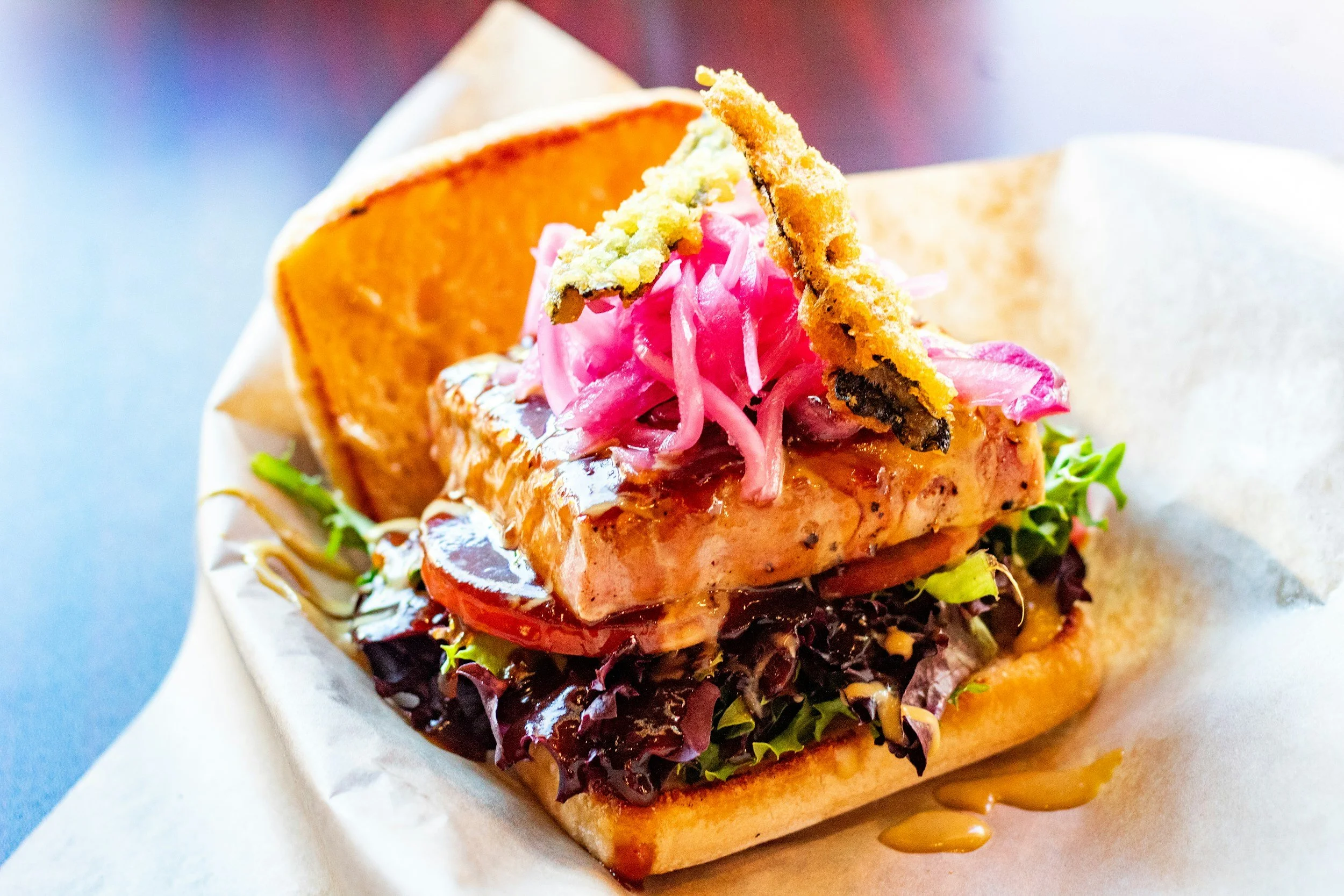
Fish cakes: Small seasoned fish fritters, often served as a snack.
Macaroni pie: A popular baked macaroni dish and a familiar side on local menus.
Pudding and souse: A traditional dish, often associated with Saturdays, made with pickled pork and sweet potato pudding.
Bajan pepper sauce: A hot condiment that adds heat to fish, meat and other local dishes.
Flying fish is strongly associated with Barbados, but availability varies by season and restaurant.
Food and drink prices in Bridgetown
Barbados can be more expensive than some other Caribbean islands, particularly in restaurants aimed at cruise passengers and visitors.
Typical prices to budget for include:
Local snack or fish cutter: around BBD $10-$20 (£4-£8)
Roti or a casual local meal: around BBD $20-$35 (£8-£14)
Main course in a sit-down restaurant: around BBD $35-$70 (£14-£28), with beachfront restaurants often costing more
Beer: around BBD $6-$12 (£2.50-£5)
Rum punch or a cocktail: around BBD $15-$30 (£6-£12)
Soft drink or bottled water: around BBD $3-$7 (£1.20-£3)
These are indicative budgeting estimates rather than confirmed menu prices. Allow extra for service charges or tips where applicable, and check the menu before ordering.
Money tip: Barbados uses the Barbadian dollar (BBD). The US dollar is also widely accepted, but check the exchange rate offered when paying in US dollars.
TUI Shore Excursions in Barbados
Marella’s published excursion programme includes several ways to explore the island, from relaxed beach visits to guided sightseeing. Excursions and operating schedules can change, so check the Cruise Control listings for your sailing before booking.
Scenic Railway Tour
A heritage train journey through Barbados’ tropical countryside, offering a different perspective on the island away from the capital. A good choice for visitors interested in scenery and local history without a demanding walking itinerary.
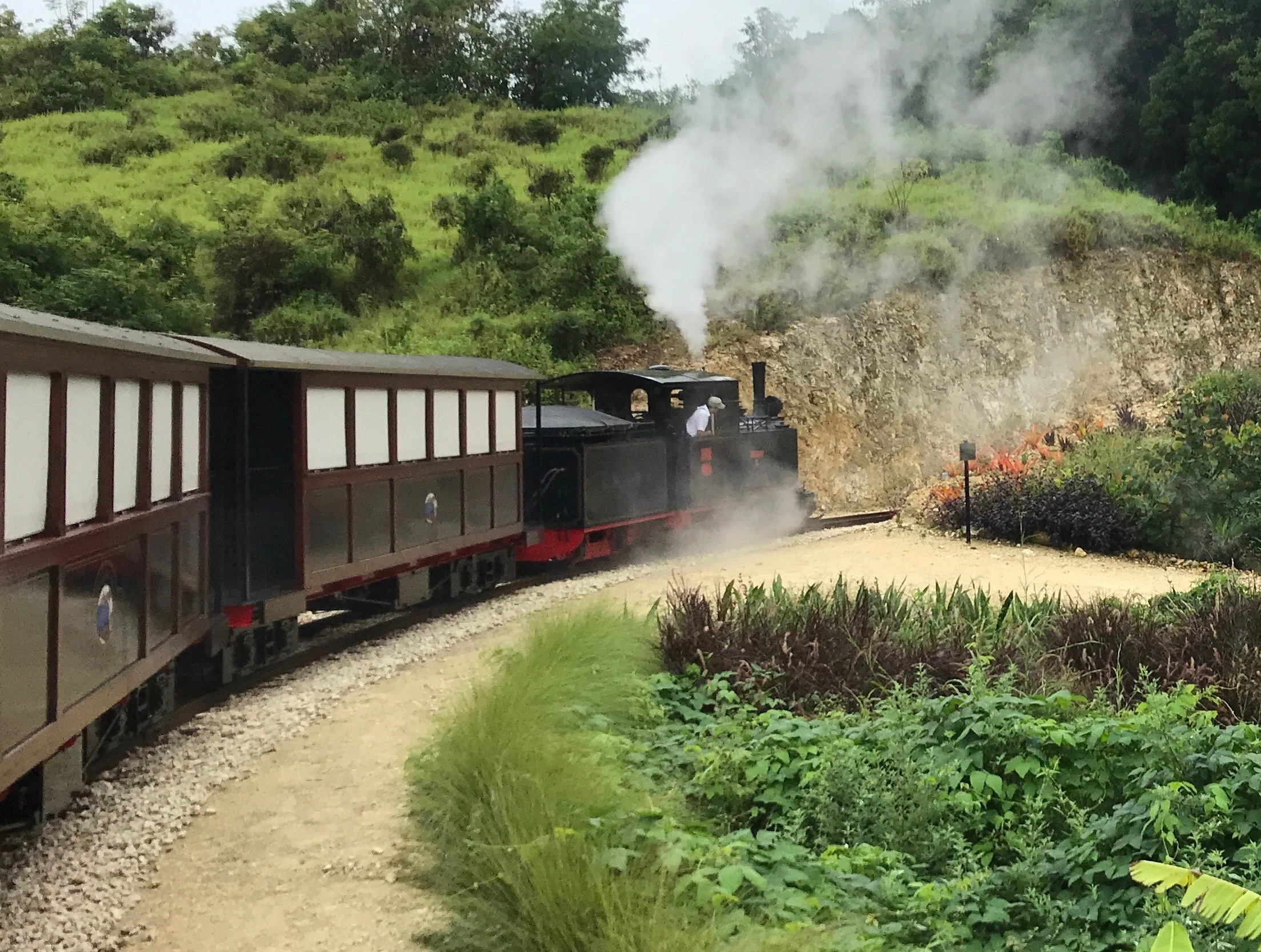
Check the activity level and duration for your sailing.
Carlisle Beach Break
A beach-focused trip that combines time beside the sea with some sightseeing. This is a straightforward option if your priority is swimming, relaxing and enjoying the Caribbean coastline.
Check what transport and beach facilities are included.
Atlantis Submarine
An underwater excursion offering views of marine life through the submarine’s viewing windows. It can appeal to visitors who want to experience the underwater environment without snorkelling or scuba diving.
Confirm boarding requirements and suitability for your mobility needs.
Harrison’s Cave
A guided visit to the island’s limestone cave system, with underground formations and streams. Choose this if you would rather explore Barbados’ natural landscape than spend the whole day at the beach.
Check the walking and transfer requirements.
Other excursion options may include island sightseeing, wildlife encounters and 4x4 tours. Availability varies by sailing, so use the excursions listed for your own departure rather than relying on a general catalogue.
Is Getting Around Independently Easy?
Yes, particularly if you want to explore Bridgetown or visit one beach. The main consideration is the distance between the cruise terminal and the city centre.
For an independent day, you could take a taxi into Bridgetown, explore the historic streets and shops, stop for a Bajan lunch, then return to the ship. Alternatively, travel directly to Carlisle Bay for a few hours by the sea.
Independent sightseeing becomes more complicated if you want to combine attractions scattered around the island. Harrison’s Cave and St Nicholas Abbey, for example, require longer journeys than the central sights. In that case, compare a reliable taxi arrangement with a guided excursion and allow a generous margin for the return to the ship.
If you use local buses, check the route and return service rather than assuming that a convenient outbound journey will be equally straightforward later in the day.
Beach Days in Barbados
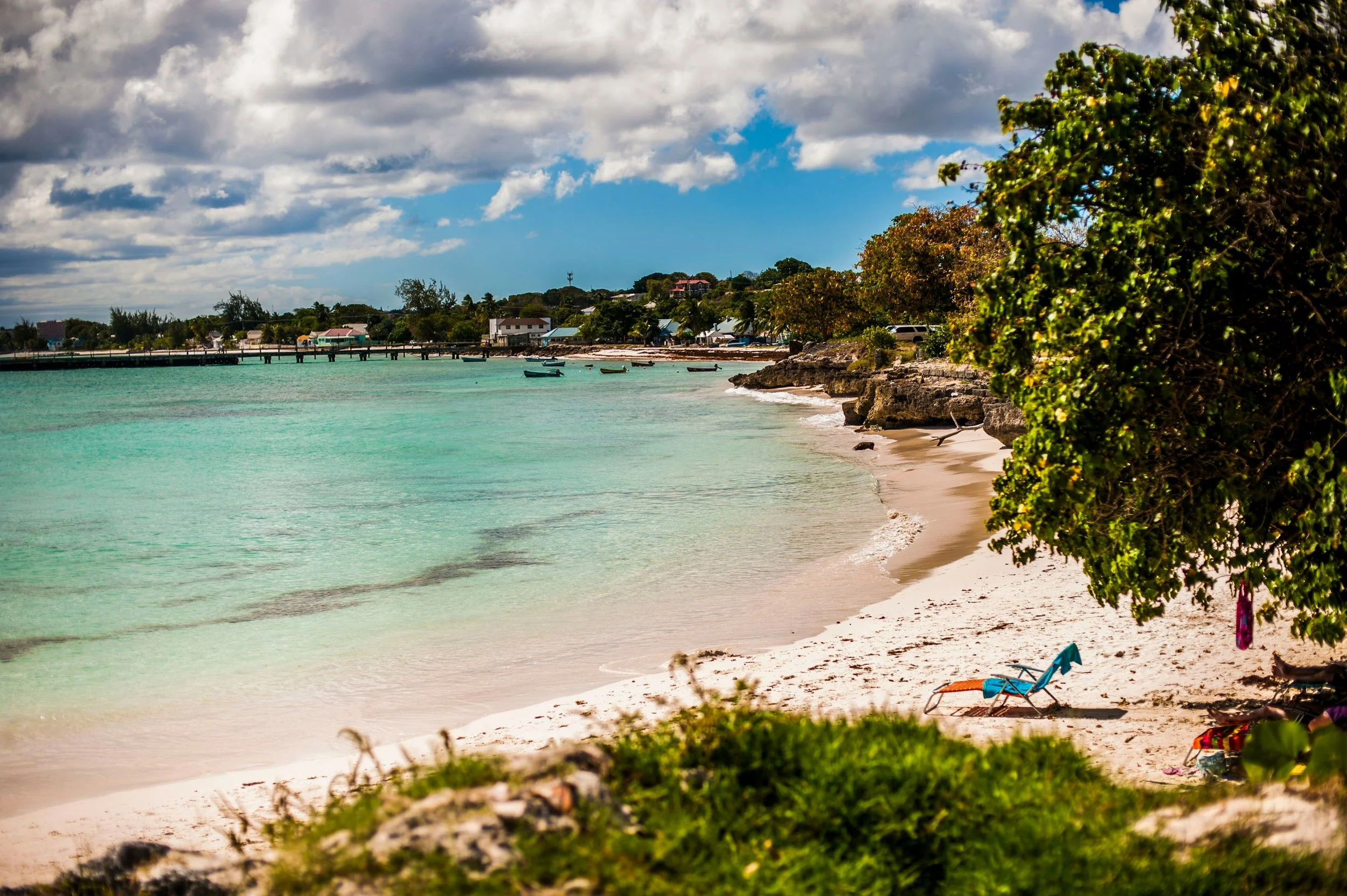
Carlisle Bay
Approximately 2-3 km from the cruise terminal, depending on the access point.
One of the best all-round choices for cruise passengers, with pale sand, generally sheltered water and popular snorkelling trips. Take a taxi from the port and check the facilities at your chosen beach entrance.
Brownes Beach
On Carlisle Bay, south of central Bridgetown.
A broad sandy beach that is convenient for combining a swim with a visit to the capital. It is a good option if you want a relaxed beach stop rather than a full-island excursion.
Rockley Beach (Accra Beach)
Further south along the coast; allow for a taxi journey.
A popular South Coast beach with nearby places to eat and drink. It can suit passengers who want a beach with facilities and a livelier surrounding area.
Paynes Bay
On the west coast, requiring a longer taxi journey.
A scenic option on Barbados’ Platinum Coast, with inviting water and a more resort-oriented setting. Check sea conditions, facilities and transport availability before choosing it for a short port call.
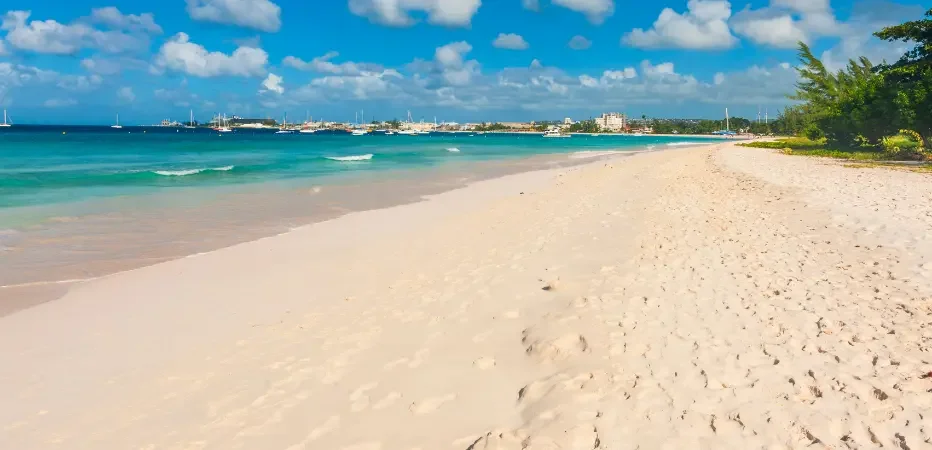
My advice: Carlisle Bay is the most practical starting point for a beach visit from the cruise port. It minimises travel time compared with beaches farther along the coast and can be combined with sightseeing in Bridgetown.
Distances and journey times vary with the exact beach entrance and traffic. Agree your return arrangements before settling in for the day.
Shopping in Bridgetown
Bridgetown is the main shopping destination for cruise passengers who want to browse independently.
Broad Street: The central shopping thoroughfare, with a mixture of shops, familiar retail names and souvenir outlets.
Duty-free shopping: Available around the cruise terminal and in central Bridgetown. Compare prices before buying jewellery, watches, spirits or other higher-value items.
Pelican Craft Centre: Near the port, this is a useful place to look for locally made crafts, souvenirs and artwork.
Local food products: Look for Bajan pepper sauce, spices, rum and other island specialities, remembering to check airline and customs restrictions where relevant.
If you have limited time, the terminal’s shops are convenient. For a wider choice and a better feel for the capital, head into Bridgetown.
Accessibility in Bridgetown and Barbados
The cruise terminal is designed to handle cruise passengers, but accessibility beyond the terminal depends on the route and attraction.
Walking around Bridgetown: The historic centre is walkable, but pavements, kerbs and road crossings can be uneven. Heat and humidity can make longer walks tiring.
Getting to town: A taxi reduces the distance you need to cover on foot. If you require a wheelchair-accessible vehicle, arrange it in advance.
Beaches: Sand can be difficult to cross with a wheelchair or mobility aid. Ask about accessible drop-off points, beach access and any specialist equipment before choosing a beach excursion.
Sightseeing tours: Check the walking requirements for historic sites, cave visits and plantation attractions. A tour described as easy may still involve steps or uneven surfaces.
Cruise assistance: Contact Marella’s Assisted Travel Team before departure if you need help with gangway access, transport, mobility aids or an excursion tailored to your needs.
If Barbados is your embarkation port, allow extra time for the airport-to-terminal transfer and check the arrangements for luggage and assistance.
Castries, St Lucia
St Lucia is one of the Caribbean’s most dramatic islands, known for its lush rainforest, volcanic scenery and the twin Pitons rising above the sea. Castries is the capital and main commercial centre, with a busy market, colonial-era landmarks and a harbour surrounded by green hills.
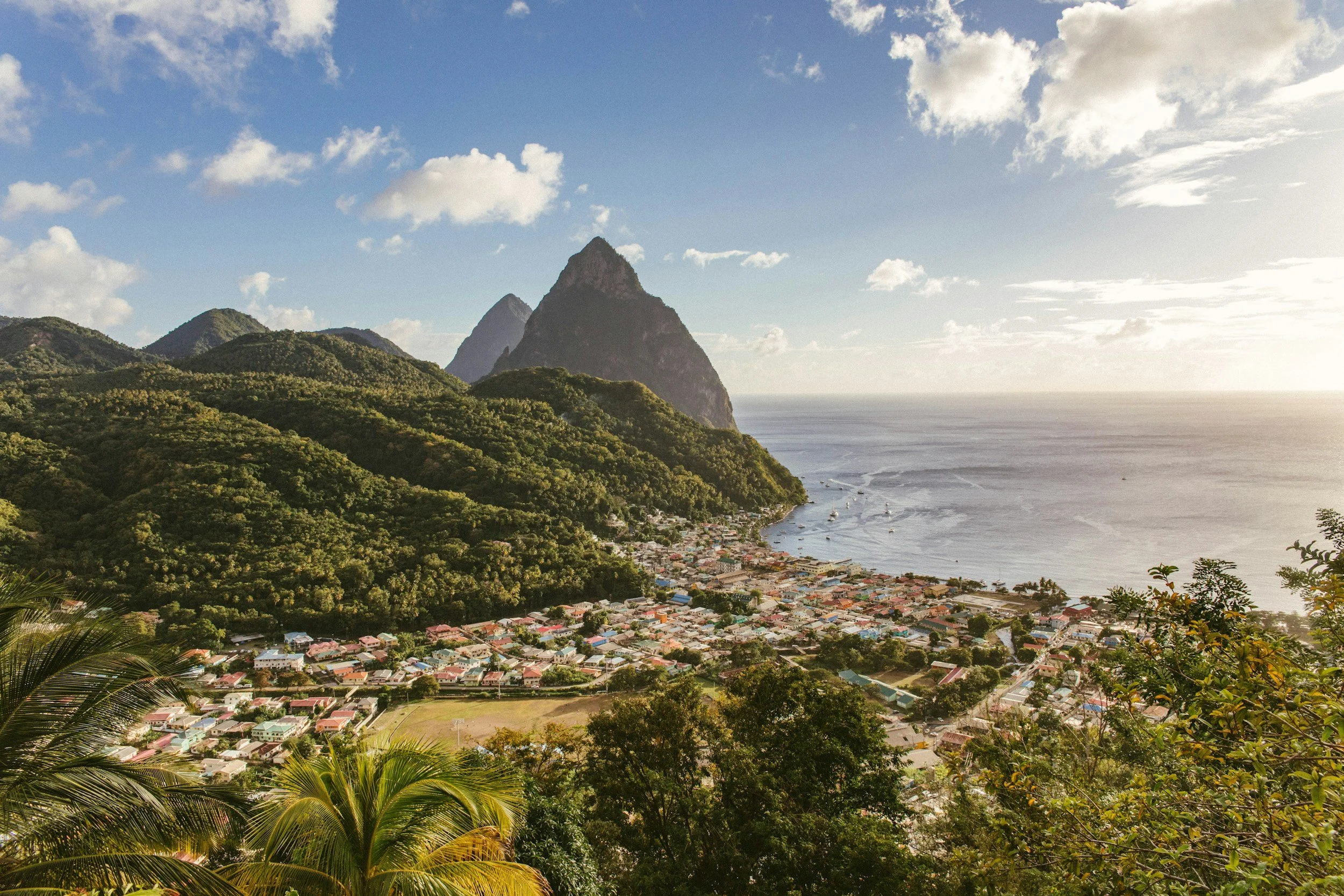
The island’s headline attractions are spread out, so it is worth deciding whether you want to explore the capital, spend time on a beach or travel further afield to see the scenery.
Language: English. Saint Lucian Creole French (Kwéyòl) is also widely spoken.
Currency: Eastern Caribbean dollar (XCD). US dollars are widely accepted.
Distance to town: Depends on the berth. From La Place Carenage, the town centre and market are within a short walk. From Pointe Seraphine, allow approximately 1.5-2 km, or around 20 minutes on foot.
Castries Cruise port: what to expect
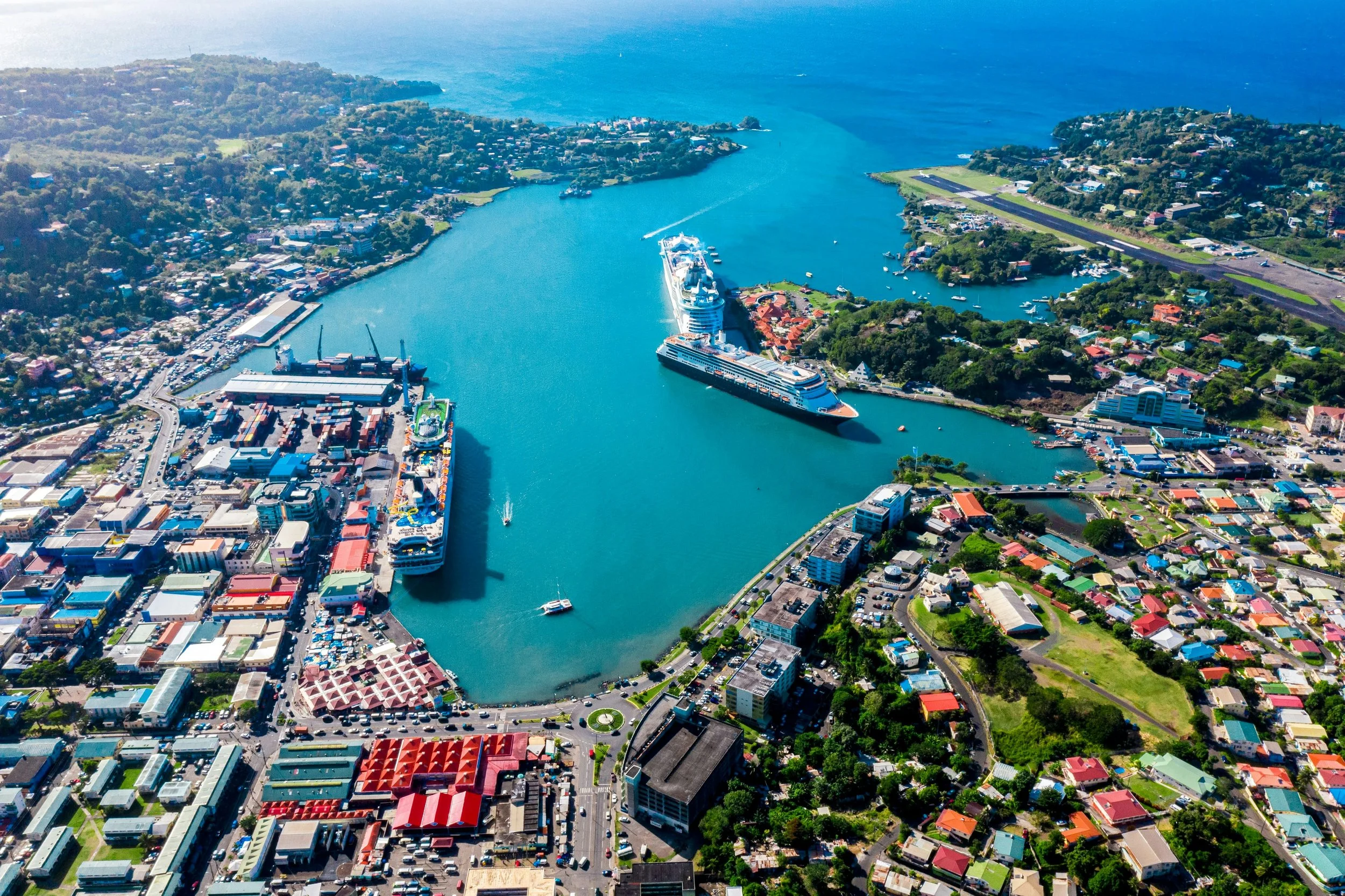
Cruise ships usually dock at Pointe Seraphine or La Place Carenage, depending on the berth allocated. Both are close to Castries, although the experience differs slightly depending on where your ship is berthed.
Pointe Seraphine has a purpose-built cruise shopping area with souvenir shops, duty-free stores and places to buy refreshments. La Place Carenage is closer to the city centre and makes it easier to explore the streets and market on foot.
From La Place Carenage, parts of central Castries are only a short walk away. From Pointe Seraphine, allow roughly 15-25 minutes to walk towards the city centre, depending on your route and walking pace. In the heat, a short taxi journey may be more comfortable.
Getting around
Taxis are readily available around the cruise terminals. Agree the fare and confirm whether it is per person or per vehicle before setting off. Some drivers offer island tours, which can be a convenient way to see several attractions in one day.
Local minibuses operate on set routes, but they may be crowded and are not always the easiest option for visitors working to a ship’s departure time.
The roads can be winding, and journeys to attractions such as Soufrière and the Pitons take considerably longer than distances on a map might suggest. Allow plenty of time for the return journey.
Things to do in Castries
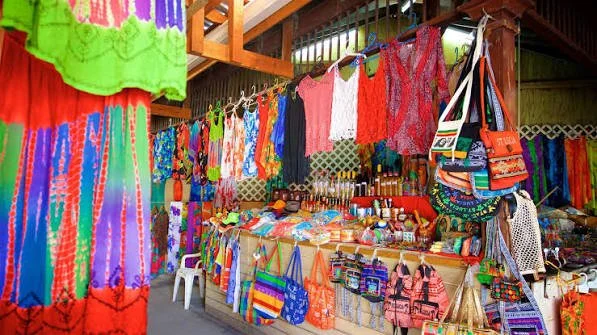
Castries Market: Browse stalls selling tropical fruit, spices, local crafts and souvenirs. It is a good place to get a feel for everyday life on the island.
Derek Walcott Square: A small historic square named after the Nobel Prize-winning poet and playwright, who was born in Castries.
Cathedral of the Immaculate Conception: Known for its colourful interior and murals, this is one of the city’s best-known historic buildings.
Morne Fortune: A hillside area with views over Castries and the harbour. It has historical connections to the island’s colonial conflicts.
Marigot Bay: A picturesque bay surrounded by steep green hills. It is outside central Castries and is best reached by taxi or organised excursion.
The Pitons and Soufrière: The island’s most famous scenery lies to the south. A visit can involve several hours of driving, so an organised tour may be preferable if you want to see the Pitons during a port call.
Where to eat in Castries
For a meal ashore, look for local Creole cooking and freshly caught fish.
The Coal Pot: A well-known waterfront restaurant near Vigie, with seafood and Caribbean-French influences. It is better suited to a planned meal than a quick snack immediately beside the terminal.
Castries Market area: A useful place to look for inexpensive local food and snacks, although individual stall opening times vary.
Restaurants and cafés around the city centre: Convenient if you want to eat without travelling far from the ship.
Local dishes to try include green fig and saltfish, St Lucian-style fish, callaloo soup, accra fish cakes and bakes. Green fig means green banana rather than the familiar sweet fruit.
Food and drink prices in Castries
St Lucia uses the Eastern Caribbean dollar (XCD). US dollars are also accepted at many visitor-facing businesses, although the exchange rate offered can vary.
Typical budgeting estimates:
Local snack or light meal: XCD $10-$25 (£3-£8)
Roti or a casual local meal: XCD $20-$40 (£6-£13)
Main course in a sit-down restaurant: XCD $40-$85 (£13-£28)
Beer: XCD $7-$15 (£2-£5)
Rum punch or cocktail: XCD $15-$30 (£5-£10)
Soft drink or bottled water: XCD $4-$10 (£1-£3)
Waterfront restaurants and establishments in resort areas can charge more. Check whether service is included before adding a tip.
Cruise Lowdown Tip: Highly Recommended
We spent the best afternoon sitting just yards from the ship at Point Seraphina at Rum Therapy Bar & Treatment Rooms - a lively bar with delicious rum cocktails and beer buckets plus karaoke.
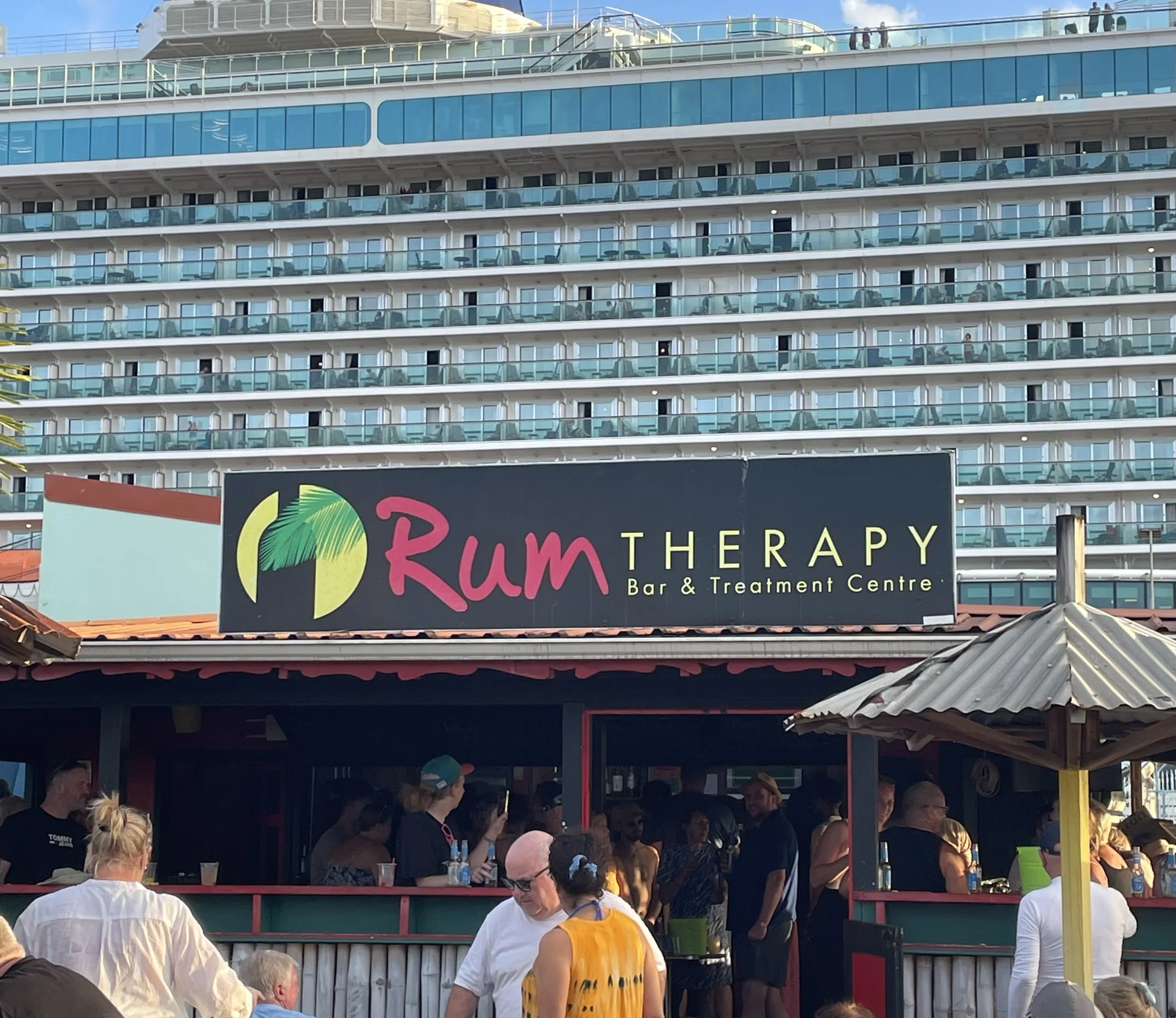
Popular with crew and guests alike - rumour has it that the ships often have to send out search parties to retrieve revellers at the end of a stay!
TUI shore excursions in St Lucia
TUI has advertised excursions including:
Scenes of St Lucia: A sightseeing trip taking in viewpoints, Marigot Bay and other island highlights.
Time at the Beach: A trip to Reduit Beach in the Rodney Bay area, where there are restaurants, bars and watersports.
Panoramic St Lucia: An island tour featuring scenic viewpoints and attractions.
Excursion names, inclusions and availability can change by sailing. Check the excursions offered for your own departure.
Is getting around independently easy?
Castries itself is manageable for a short independent visit, particularly if you dock at La Place Carenage. The market, shops and central landmarks can be combined without travelling far.
Seeing the Pitons, Soufrière or several distant attractions independently is more complicated because of the winding roads and journey times. A taxi tour can offer flexibility, but agree the route, price and return time in advance.
Beach days in St Lucia
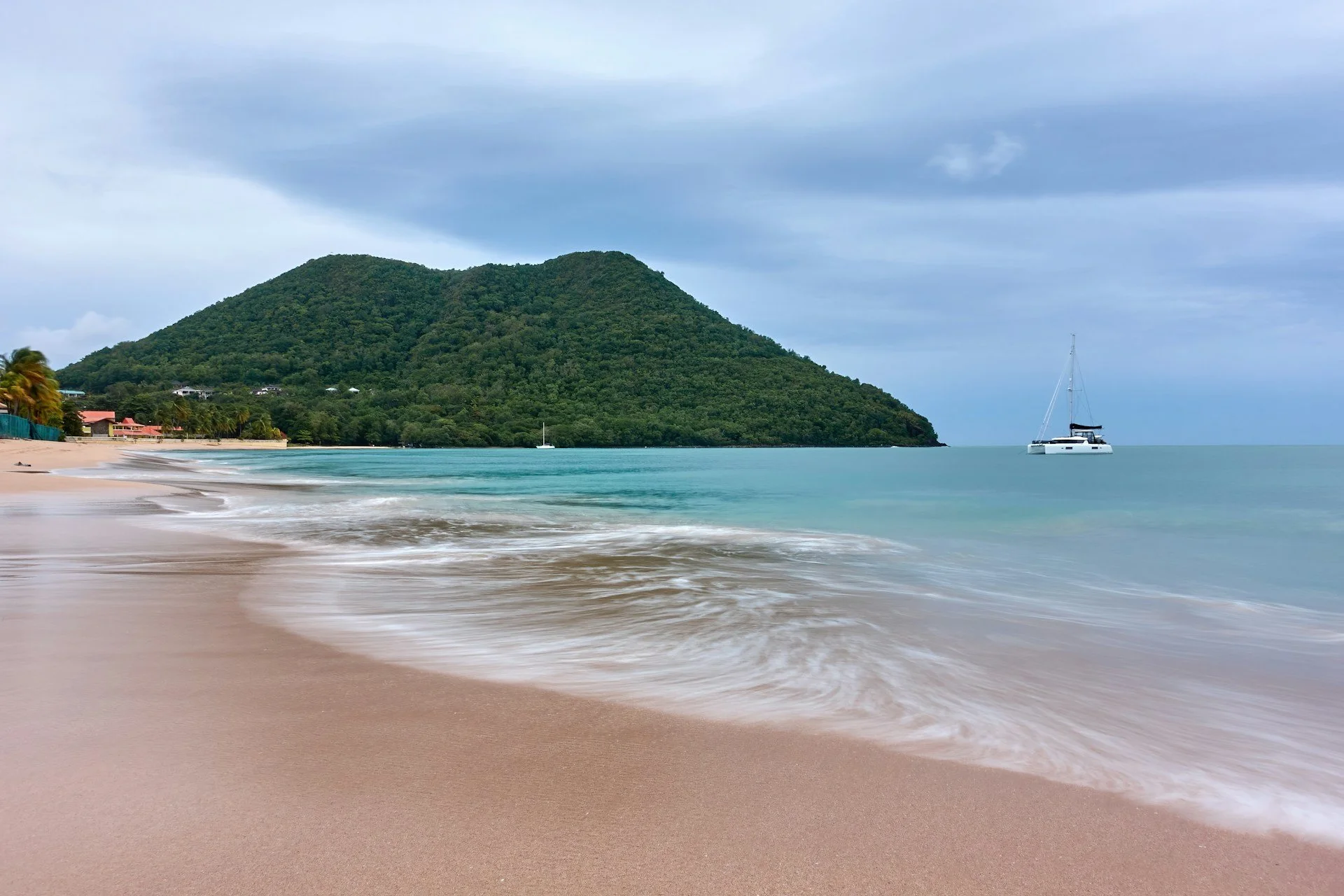
Vigie Beach: Relatively close to Castries and a possible option for a shorter beach visit. A taxi is usually the easiest choice from the cruise terminals.
Reduit Beach: A popular sandy beach in the Rodney Bay area, with beach bars, restaurants and watersports. Allow roughly 30-45 minutes each way by road, depending on traffic and your terminal.
Marigot Bay: Attractive scenery and waterfront facilities, although it is not simply a beach immediately beside the cruise port.
Ask about the cost of sunbeds, umbrellas and watersports before settling in. Return transport should be arranged with sufficient time to get back to the ship.
Shopping
The cruise terminals have duty-free and souvenir shops, while Castries Market is the place to look for local crafts, spices, fruit and souvenirs.
Popular purchases include locally produced spices, cocoa products, rum and handmade items. Compare prices if you are buying several souvenirs, and check duty-free allowances before purchasing alcohol or other restricted goods.
Accessibility
The cruise shopping areas provide a relatively straightforward starting point, but conditions vary between terminals. Central Castries has busy roads, uneven pavements and sections where pedestrian access can be awkward.
The market can be crowded, and heat and humidity may make walking tiring. Beach access varies, with sand posing difficulties for wheelchairs and some mobility aids.
Passengers who need step-free access or assistance should confirm arrangements with the cruise line and excursion provider before booking. A private vehicle may be more suitable than a general island tour, but check vehicle access and the amount of walking involved.
St George’s, Grenada
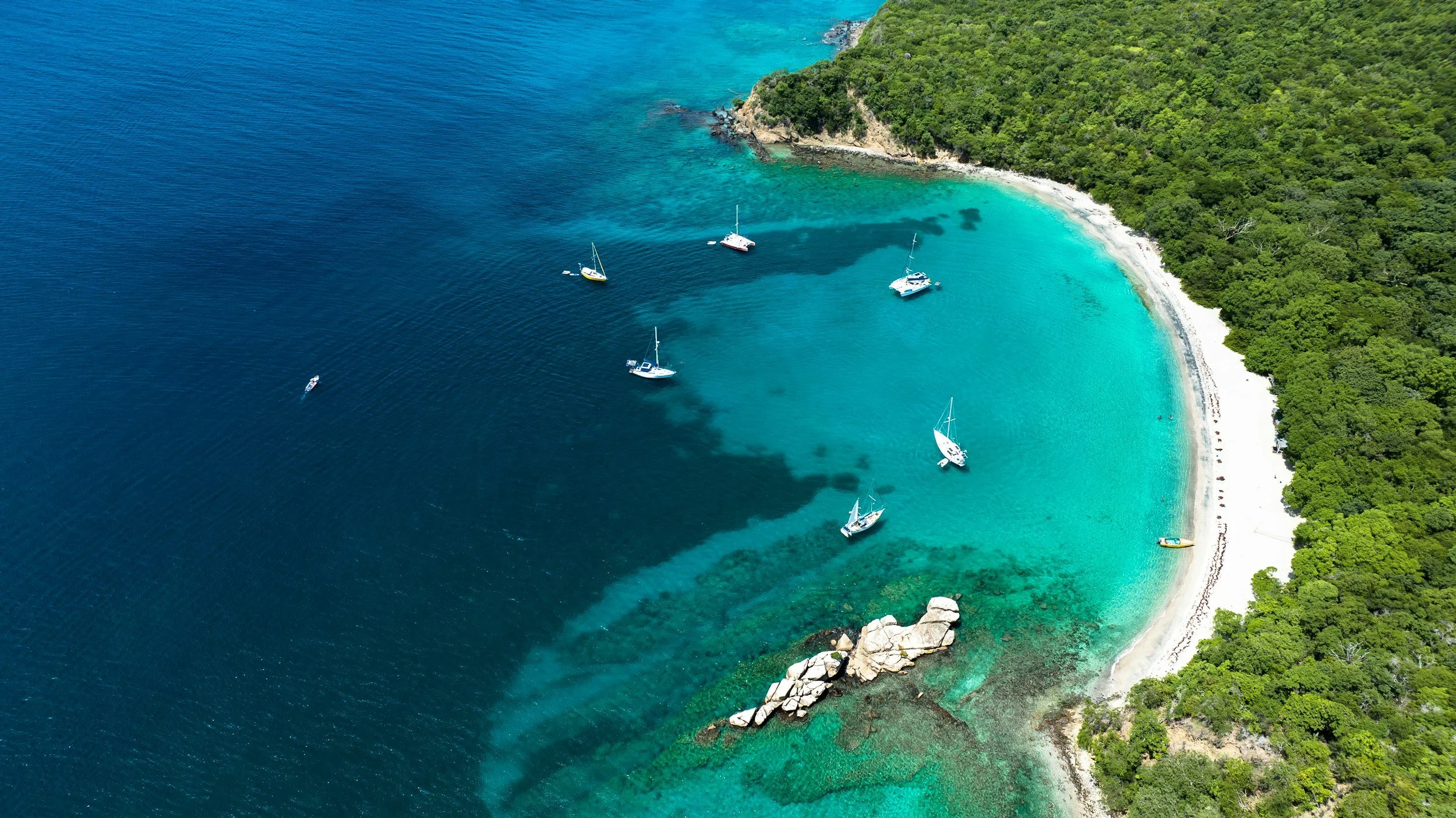
Grenada is known as the Spice Island, thanks to its production of nutmeg, cinnamon, cloves and other spices. Its capital, St George’s, is one of the Caribbean’s most picturesque harbour towns, with colourful buildings, a horseshoe-shaped waterfront and steep hills rising behind the town.
The port is a good starting point for exploring the capital, but Grenada’s waterfalls, spice estates and rainforest attractions are further inland.
Language: English
Currency: Eastern Caribbean dollar (XCD). US dollars are accepted at many tourist businesses.
Distance to town: The Melville Street cruise terminal is close to the town centre and waterfront, generally around 5-15 minutes on foot. Some streets are steep.
St George’s Cruise port: what to expect
Cruise ships generally use the main cruise terminal at Melville Street or a berth in the harbour area. The terminal has shops selling souvenirs, local products and duty-free goods.
The Carenage, the town’s waterfront, is close enough to explore on foot from the main terminal. The route is generally short, although the town has hills and some streets are steep.
St George’s is more than a shopping stop. The waterfront, historic buildings and market make it worth allowing time to explore independently.
Getting around
Taxis operate from the port and can be hired for individual journeys or island tours. Confirm the fare, whether it is per person or per vehicle, and the planned duration before leaving.
Local buses run from the town, but routes and schedules may be less convenient for a short port call. They are better suited to visitors who are comfortable asking for directions and allowing extra time.
For destinations such as Grand Etang Lake, Annandale Falls and the island’s spice estates, a taxi tour or organised excursion is often the most practical choice.
Things to do in St George’s
The Carenage: A lively waterfront promenade extensively winding around Grenada's inner harbour section, in an ancient volcanic crater. Walk along the waterfront, where colourful buildings overlook the harbour. There are cafés, restaurants and views of the boats in the bay.
St George’s Market: A good place to look for nutmeg, cocoa, spices, fruit and local products. Opening hours and stall availability vary.
Fort George: A historic fort above the town, offering panoramic views over the harbour and surrounding coastline. The approach is uphill, so it may not suit everyone.
Grenada National Museum: A small museum exploring the island’s history, including its colonial past and cultural heritage. Check opening times before visiting.
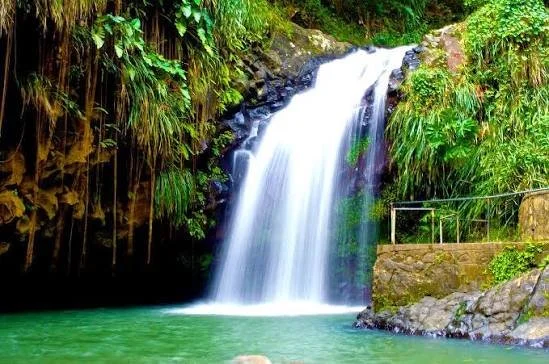
Annandale Falls: A popular waterfall set among tropical vegetation inland from the capital.
Grand Etang Lake: A crater lake in the island’s mountainous interior, surrounded by rainforest. It is best combined with other inland stops on a taxi tour or excursion.
Where to eat in St George’s
Grenadian food makes generous use of local spices, fresh fish and tropical produce.
Sails Restaurant & Bar: On the Carenage, with harbour views and a menu combining seafood, Caribbean dishes and international options.
Local cafés and food stalls around the market: Worth exploring for simpler meals and snacks, particularly if you want to try local cooking.
Restaurants around the waterfront: Convenient for a sit-down meal without travelling far from the ship.
Look out for oil down, Grenada’s national dish, traditionally made with breadfruit, coconut milk, turmeric, vegetables and salted meat or other ingredients. Other local favourites include callaloo soup, roti, fresh fish and dishes seasoned with nutmeg and other island spices.
Food and drink prices in St George’s
Grenada uses the Eastern Caribbean dollar (XCD), and US dollars are accepted by many tourist businesses.
Typical budgeting estimates:
Local snack or light meal: XCD $10-$25 (£3-£8)
Roti or a casual local meal: XCD $20-$40 (£6-£13)
Main course in a sit-down restaurant: XCD $35-$75 (£11-£25)
Beer: XCD $6-$14 (£2-£5)
Rum punch or cocktail: XCD $15-$30 (£5-£10)
Soft drink or bottled water: XCD $4-$10 (£1-£3)
Waterfront restaurants can be more expensive than market-area food stalls. Prices depend on portion size, the restaurant and whether seafood is priced by weight.
TUI shore excursions
TUI has advertised excursions including:
Rhum Runner: A boat-based outing combining coastal views, music and drinks, with variations in the route and stops.
Starwind Snorkelling: A catamaran trip with opportunities for snorkelling and time around Grand Anse Beach.
The Spice Island: An island tour featuring spice-related attractions and inland scenery.
Excursion programmes can change between sailings. Check the details for your departure, particularly the duration and any walking involved.
Is getting around independently easy?
St George’s is one of the easier ports for a short independent visit. The waterfront, market and central streets can be explored on foot from the main terminal.
However, the steep roads and hills may make walking more tiring than the map suggests. If you want to see waterfalls, the rainforest or a spice estate, plan transport rather than relying on walking from the port.
Beach days
Grand Anse Beach: Grenada’s best-known beach, with a long stretch of sand and a choice of places to eat and drink. It is a short taxi ride from the cruise port, often around 10-20 minutes depending on traffic.
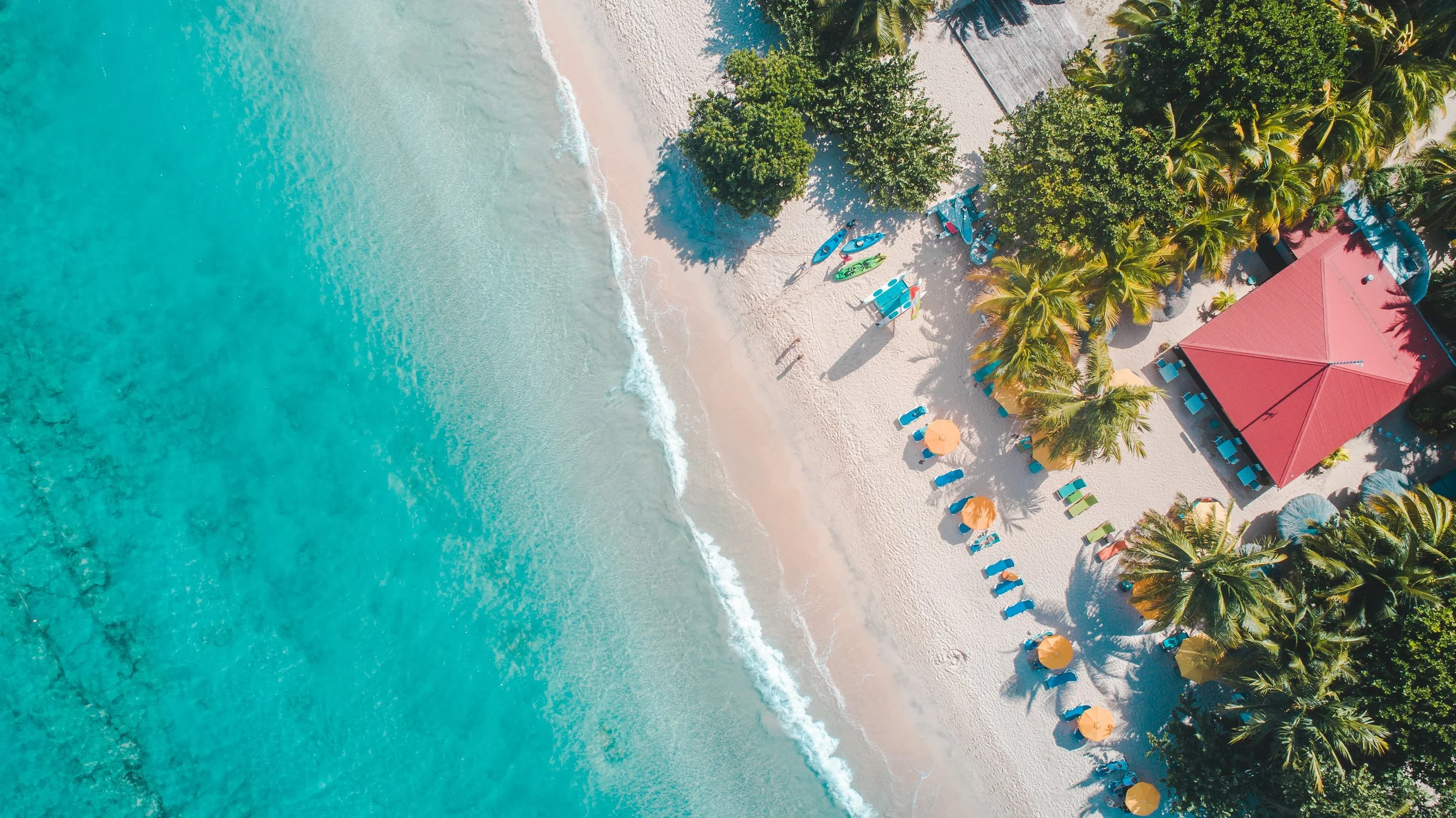
Grand Anse Beach
Morne Rouge Beach: A sheltered beach south of Grand Anse, often favoured by visitors looking for a quieter setting. Allow extra time for the taxi journey and return.
Both beaches have sections where you can arrange refreshments or watersports, but facilities and charges vary. Agree the return pick-up arrangements with your driver.
Shopping
St George’s Market is the main place to browse for spices, nutmeg products, cocoa, locally made crafts and souvenirs. Shops around the Carenage and cruise terminal sell additional gifts and duty-free products.
Grenadian nutmeg, spice mixes and cocoa products make useful lightweight souvenirs. Check food-import restrictions before bringing fresh produce home.
Accessibility
The main waterfront area is relatively convenient for visitors who can walk short distances, but the historic streets can be steep and uneven. Fort George involves an uphill approach and may be difficult for passengers with limited mobility.
The market can be busy, and pavements are not consistently smooth. Beach access may involve soft sand and steps.
Passengers using wheelchairs or mobility aids should confirm the exact berth and accessible transport arrangements in advance. An excursion described as panoramic may still involve steps, uneven ground or walking at stops, so check the full itinerary before booking.
Bequia, St Vincent and the Grenadines
Bequia, pronounced approximately “beck-way”, is a small island in the Grenadines with a relaxed atmosphere, sailing heritage and attractive beaches. Its main settlement, Port Elizabeth, curves around Admiralty Bay and is lined with small shops, cafés and waterfront restaurants.
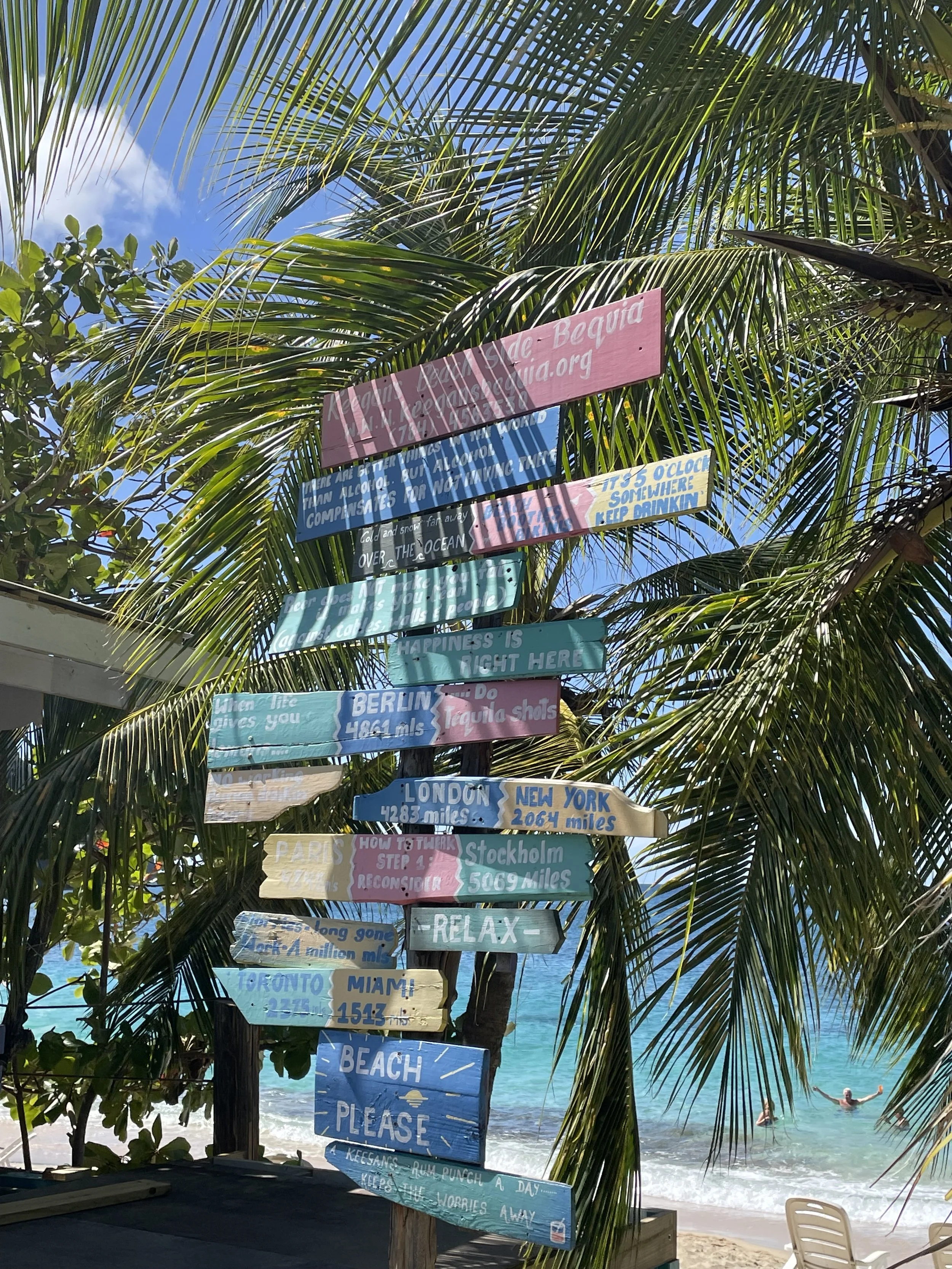
This is a very different experience from a large Caribbean cruise port. The appeal is the island’s small scale, harbour views and easy-going pace rather than major attractions or extensive shopping.
Language: English
Currency: Eastern Caribbean dollar (XCD). US dollars may be accepted at some tourist businesses.
Distance to town: Ships anchor offshore and passengers travel by tender to Port Elizabeth. The town centre and Belmont Walkway are immediately beside the tender landing, generally within a few minutes’ walk.
Port Elizabeth Cruise port: what to expect
Bequia is a tender port. Cruise passengers are brought ashore by tender boat rather than walking directly from the ship onto a pier.
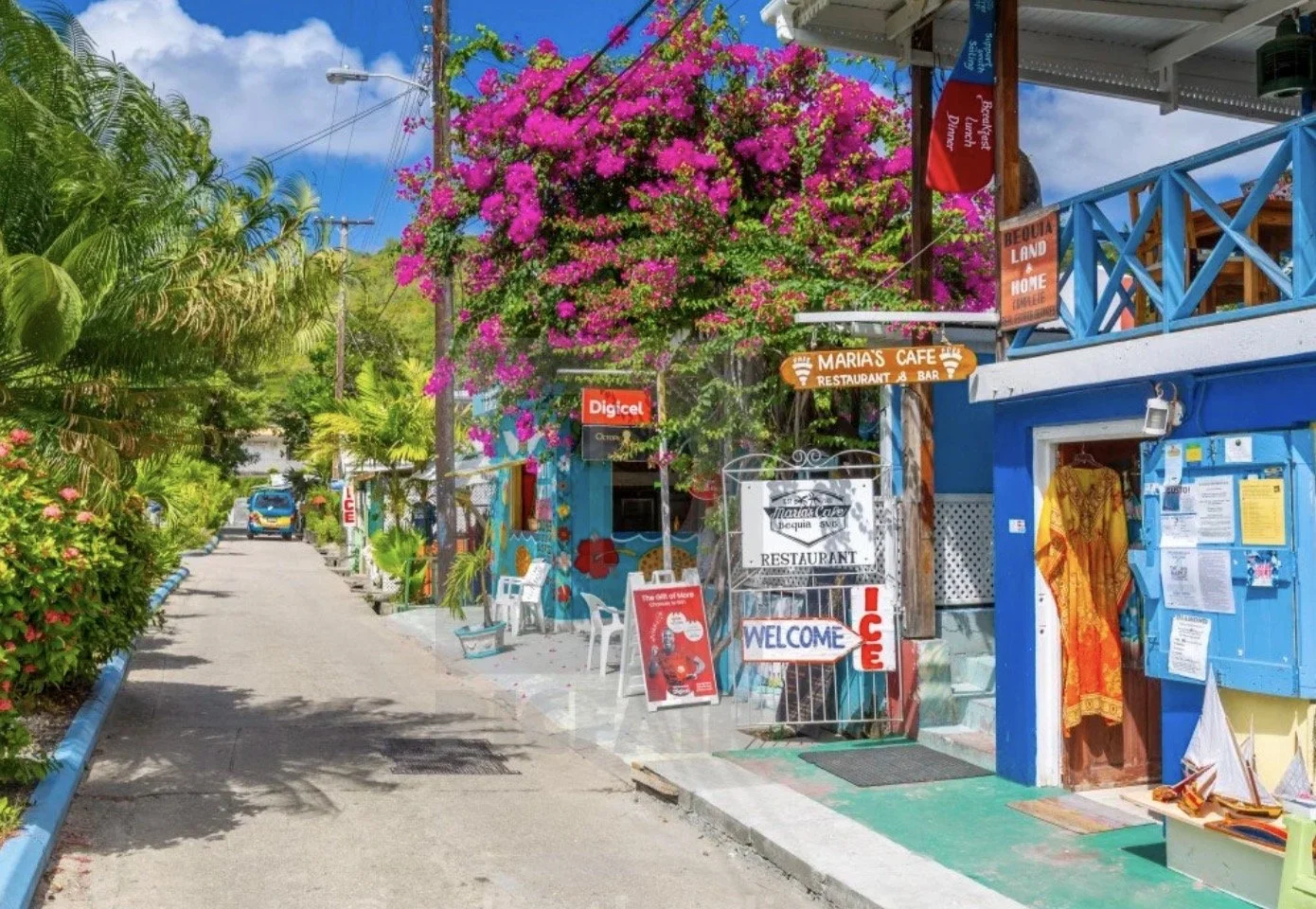
Tenders generally land around Port Elizabeth, where the waterfront and Belmont Walkway provide access to shops, cafés and restaurants. Facilities are smaller and more informal than those at the larger island ports.
The settlement is compact, so you can explore the harbour area without needing a taxi immediately. Allow time for the tender journey in both directions, especially if weather or sea conditions affect operations.
Getting around
Port Elizabeth is walkable, with the Belmont Walkway providing a pleasant route beside Admiralty Bay. Taxis are available for beaches and other parts of the island.
Water taxis can also be useful for reaching certain beaches or waterfront venues. Confirm the price and return arrangements before boarding.
Bequia is small, but roads can be narrow and hilly. If you want to visit several beaches or travel to the other side of the island, agree a route and fare with a driver.
Things to do in Bequia
Belmont Walkway: A waterfront promenade with restaurants, bars and views across Admiralty Bay. It is an easy way to enjoy the island without arranging transport.
Port Elizabeth: Browse small shops and take in the harbour. The town has a distinctly local feel and is a good place to buy souvenirs or stop for a drink.
Bequia Maritime Museum: A small museum exploring the island’s maritime history and traditional boatbuilding and whaling heritage. Check opening times before setting out.
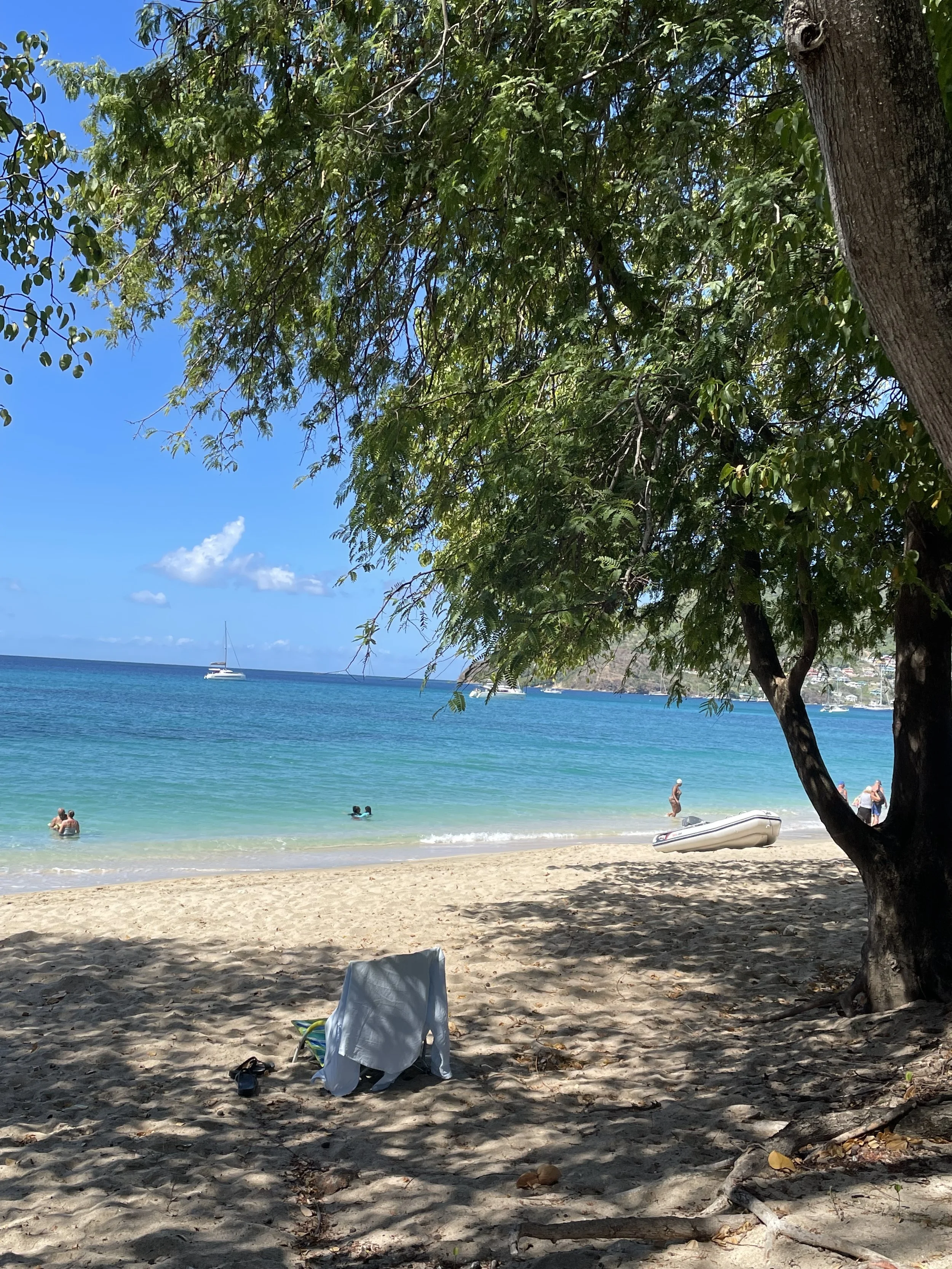
Princess Margaret Beach
Princess Margaret Beach: One of Bequia’s best-known beaches, with clear water and a sheltered bay.
Lower Bay: Another attractive beach, with places to eat and drink nearby.
Island tour: A taxi tour can take in viewpoints, villages and beaches. This is a good option if you would rather see more of Bequia than spend the day in Port Elizabeth.
Where to eat in Bequia
Waterfront dining is part of the experience, with seafood, Caribbean dishes and casual lunches popular among visitors.
Mac’s Pizza & Kitchen: A long-established restaurant on the Belmont Walkway, known for its waterfront setting and pizza. Seafood options and desserts are also popular.
Frangipani: A familiar Bequia name for waterfront dining, with a terrace overlooking the bay. Check current opening times and menu before visiting.
Beach bars around Princess Margaret Beach and Lower Bay: Useful for a casual lunch, cold drink or light snack.
Look for freshly caught fish, grilled seafood, lobster when in season, fish cakes and Caribbean-style sides. Lobster availability and prices depend on the season and local rules, so do not assume it will be on every menu.
Food and drink prices in Bequia
Bequia uses the Eastern Caribbean dollar (XCD). Some tourist businesses also accept US dollars.
Typical budgeting estimates:
Local snack or light meal: XCD $12-$25 (£4-£8)
Roti or casual lunch: XCD $20-$40 (£6-£13)
Main course at a waterfront restaurant: XCD $40-$85 (£13-£28)
Beer: XCD $7-$15 (£2-£5)
Rum punch or cocktail: XCD $15-$30 (£5-£10)
Soft drink or bottled water: XCD $4-$10 (£1-£3)
Waterfront restaurants and seafood dishes can cost more than simple local meals. Ask whether seafood is priced by weight and confirm the price before ordering.
TUI shore excursions
TUI has advertised Bequia excursions including:
Caribbean Pirates Sailaway: A traditional schooner trip around the coast, with opportunities to enjoy the scenery and swim or snorkel where conditions permit.
Mustique Magic: A boat trip to Mustique, with a tour of the island and time to explore selected attractions.
Excursion availability and inclusions vary. Mustique is a separate island, so this trip is not simply a walk around Bequia. Check the duration and return arrangements carefully.
Is getting around independently easy?
Bequia is well suited to independent exploration if you are happy to walk and take a relaxed approach. Port Elizabeth and the Belmont Walkway have shops, places to eat and harbour views within a compact area.
For a beach day, you can walk or take a short taxi or water-taxi ride, depending on your chosen beach. The tender process is the main difference from a conventional docked port, so allow time to return to the landing point.
Beach days
Princess Margaret Beach: One of the most convenient choices for cruise visitors. It is commonly reached in around 10 minutes on foot from the Port Elizabeth area, although the route and walking time depend on where you start. A short taxi or water-taxi trip may be easier for some passengers.
Lower Bay Beach: A little farther away, with sand, swimming and places to eat. A taxi is a practical option if you do not want to walk in the heat.
Friendship Bay: A more distant option on another part of the island, best suited to passengers with time for a taxi journey and a planned return.
Beach facilities vary, and not every stretch of sand has sunbeds, toilets or accessible paths. Check what is available before committing to a long stay.
Shopping
Bequia’s shopping is small-scale and centred on Port Elizabeth. Look for locally made crafts, artwork, island clothing, souvenirs and maritime-themed items.
Do not expect a large duty-free shopping complex. The appeal is browsing the local shops and enjoying the waterfront rather than spending hours in retail centres.
Accessibility
The tender transfer is the most important consideration for passengers with mobility needs. Boarding a tender can involve steps, movement between vessels and changing sea conditions. The ship’s crew will advise whether tendering is suitable for individual passengers and mobility aids.
Port Elizabeth is relatively compact, but the waterfront walkway, pavements and paths may be uneven. Beaches have soft sand and may be difficult to access with a wheelchair or mobility scooter.
Check with the cruise line before sailing if you have limited mobility, and do not assume that a passenger using a mobility aid can board a tender. A beach taxi or water taxi may also involve steps or an awkward transfer.
Willemstad, Curaçao
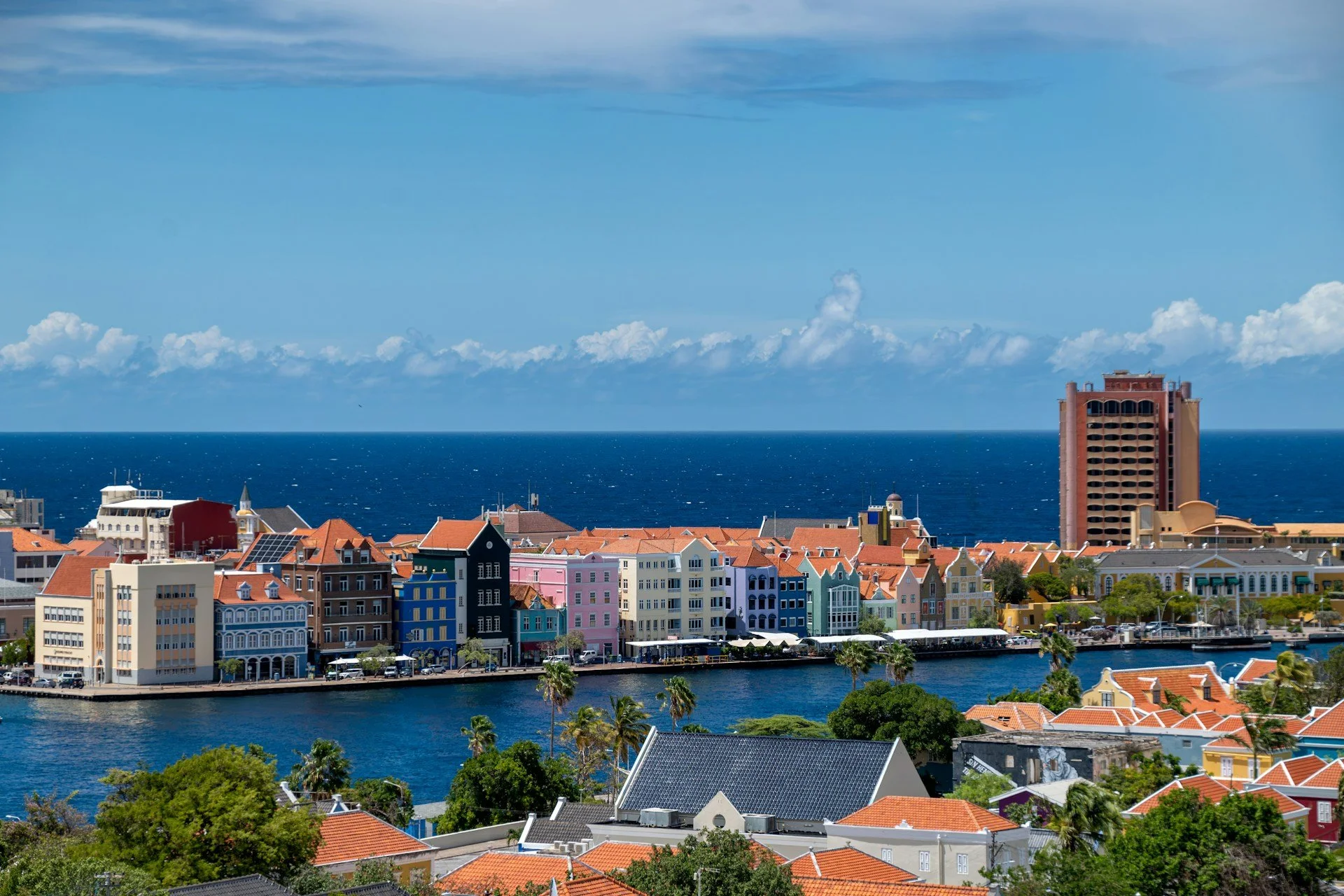
Willemstad, the capital of Curaçao, is known for its brightly coloured Dutch-Caribbean architecture, historic waterfront and the Queen Emma floating bridge. The island blends Dutch influences with Caribbean and Latin American culture, and its beaches and snorkelling sites are spread around the coast.
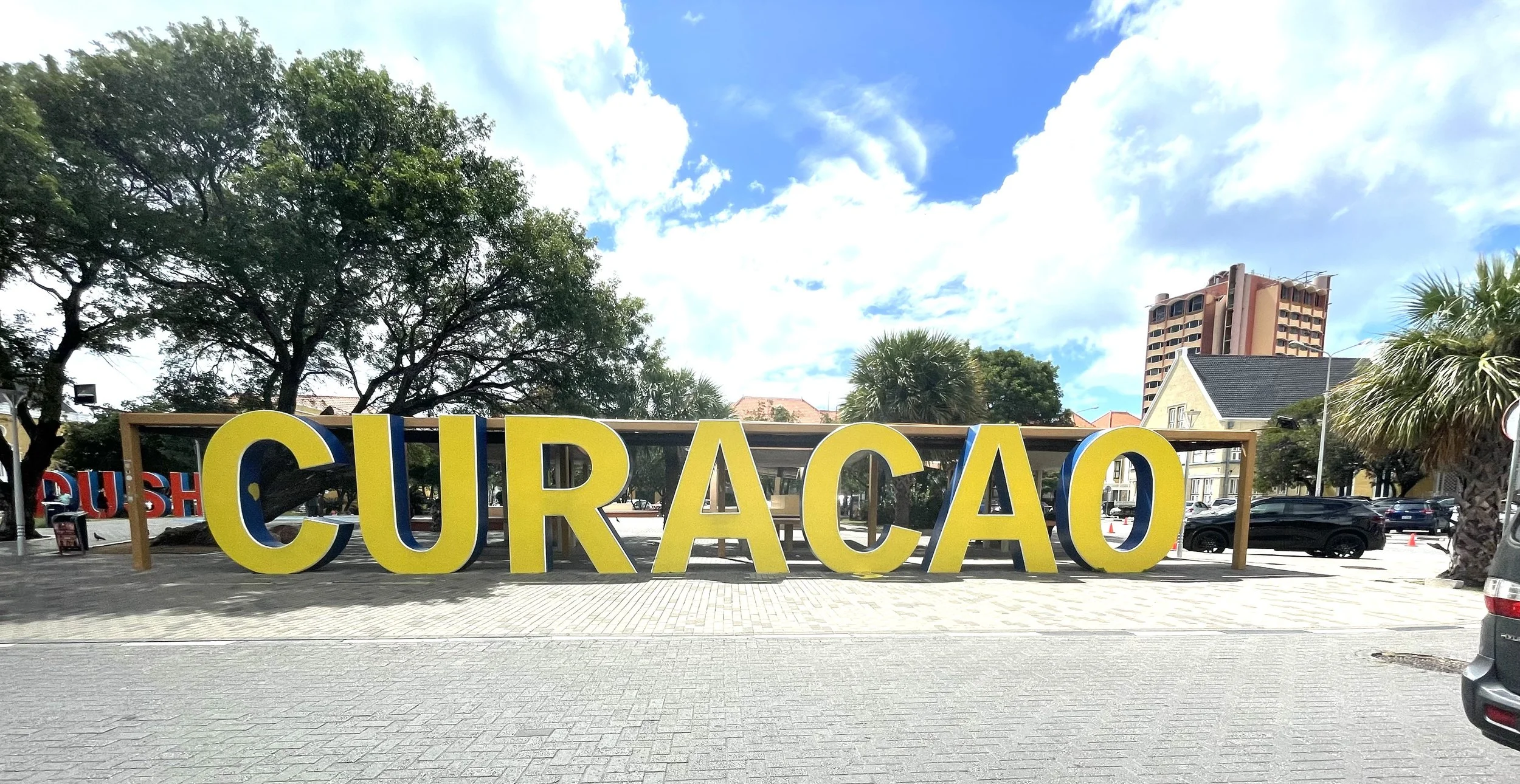
The historic centre is one of the most convenient attractions for cruise passengers because much of it can be explored independently from the port.
Language: Dutch and Papiamentu. English is widely spoken in tourist areas.
Currency: Caribbean guilder (Cg), introduced in 2025. US dollars are widely accepted in visitor areas.
Distance to town: The cruise berths are close to the historic Otrobanda district. Allow around 5-15 minutes on foot to reach parts of the historic centre, depending on your berth and destination.
Willemstad Cruise port: what to expect
Cruise ships generally dock at the Mega Pier or the smaller Mathey Wharf area, depending on the ship and port arrangements.
The Mega Pier is within walking distance of the historic Otrobanda area and the Queen Emma floating bridge. From there, passengers can cross into Punda, the colourful commercial centre, when the bridge is open to pedestrians.
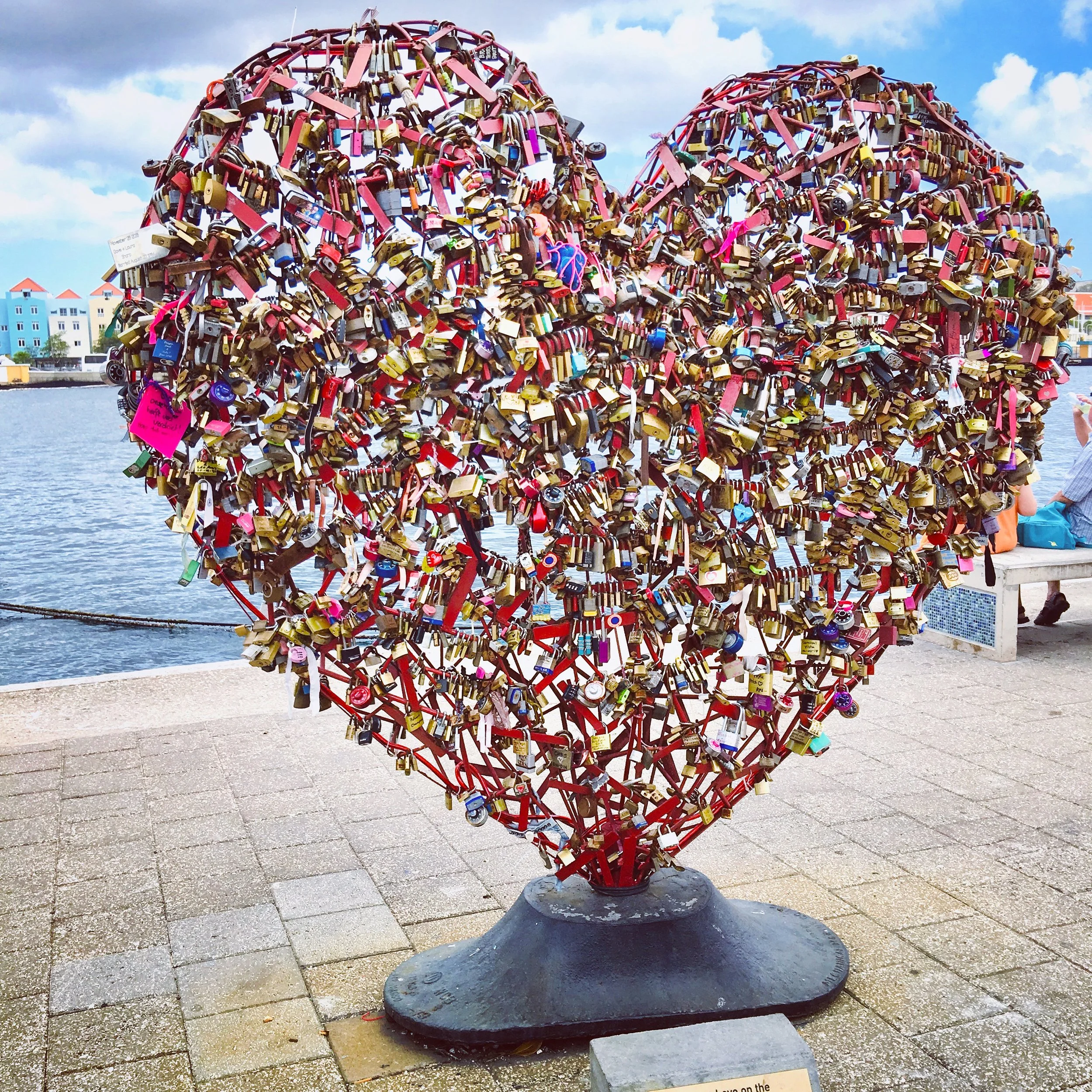
The waterfront and historic districts have shops, cafés, restaurants and places to stop for photographs. The route from the ship depends on the assigned berth, so follow the port’s pedestrian directions rather than assuming every ship docks in the same place.
Getting around
Central Willemstad is walkable, and the Queen Emma floating bridge provides a memorable way to move between Otrobanda and Punda. When the bridge opens for shipping, pedestrians may need to wait or use the free ferry service.
Taxis are available for beaches and attractions farther away. Public buses serve parts of the island, but a taxi or organised tour is often more convenient for a short cruise call.
For beaches such as Mambo Beach, allow around 10-20 minutes by road from the port, depending on traffic and the terminal.
Things to do in Willemstad
Queen Emma floating bridge: The famous pedestrian bridge linking Punda and Otrobanda. It swings open to allow ships through, and a free ferry operates when required.
Punda: Explore the colourful waterfront buildings, shopping streets and historic squares.
Otrobanda: Wander through the historic district, with restored buildings, street art and places to eat.
Handelskade: One of the city’s best-known waterfront views, with brightly painted buildings lining the harbour.
Curaçao Museum: A museum exploring the island’s history and culture. Check current opening times and location before visiting.
Hato Caves: Limestone caves inland from Willemstad. These are best reached by taxi or organised excursion and may involve steps and uneven surfaces.
Curaçao Liqueur Distillery: A popular stop for visitors interested in the island’s distinctive blue liqueur. Check current visitor arrangements before travelling.
Where to eat in Willemstad
Curaçao’s food reflects Caribbean, Dutch, African and Latin American influences.
The Green House: A central waterfront restaurant above the Queen Emma bridge area, with views and a broad menu that includes local dishes.
Restaurants in Punda and Otrobanda: Convenient for lunch while exploring the historic centre.
Waterfront cafés: Good for a drink or a light meal without travelling away from the port area.
Local dishes to look for include keshi yena, a baked cheese dish traditionally filled with meat or other ingredients; stoba, a slow-cooked stew often made with goat or beef; pastechi, a filled pastry; and fresh fish with funchi, a cornmeal side dish.
Food and drink prices in Willemstad
Curaçao introduced the Caribbean guilder (Cg) as its official currency in 2025. US dollars are widely accepted in visitor areas, but the exchange rate and change offered can vary.
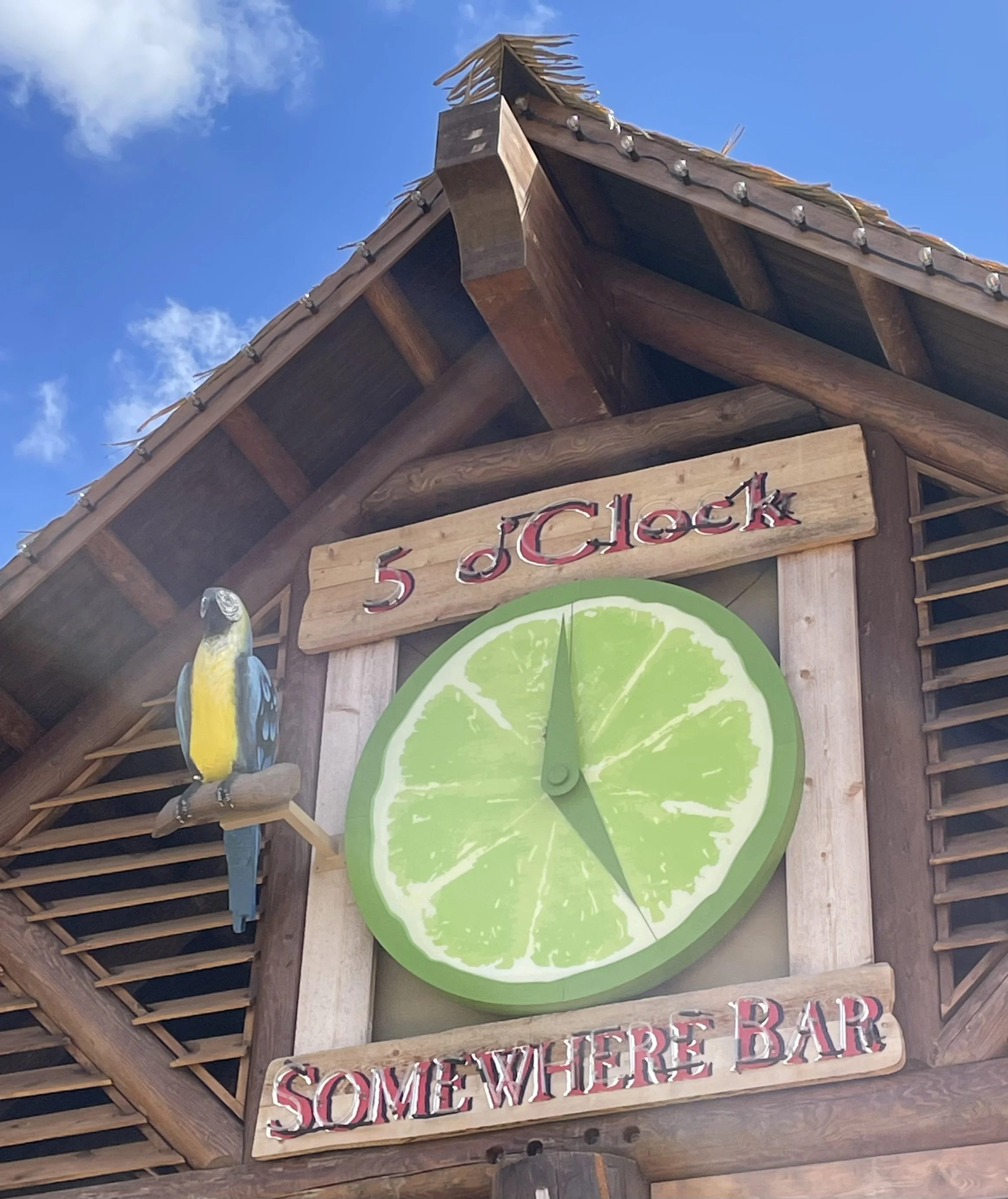
Typical budgeting estimates:
Pastechi or a local snack: Cg 5-12 (about £2-£4)
Casual local meal: Cg 20-40 (about £6-£13)
Main course in a sit-down restaurant: Cg 40-85 (about £13-£28)
Beer: Cg 7-15 (about £2-£5)
Cocktail: Cg 15-30 (about £5-£10)
Soft drink or bottled water: Cg 4-10 (about £1-£3)
These figures are broad estimates. Some businesses price in US dollars, and waterfront restaurants or international venues may be more expensive. Check the currency shown on the menu before ordering.
TUI shore excursions
TUI has advertised excursions including:
Discover Curaçao Island: A sightseeing trip featuring attractions such as the Curaçao Museum, Hato Caves and the liqueur distillery, subject to the itinerary offered.
Curaçao Country Drive: A tour exploring the island’s cultural heritage and coastal scenery.
Beach and snorkelling excursions: Options may be available for passengers who want to spend time in the water rather than tour the capital.
Check the current excursion descriptions for your sailing, including walking distances, entrance fees and time spent at each stop.
Is getting around independently easy?
Willemstad is one of the easier ports to explore independently. The historic centre, bridge and waterfront can be visited on foot, with plenty of places to stop for refreshments.
A taxi is the simplest option for beaches and attractions outside the city. If you plan to use the floating bridge, allow time for it to open and for the ferry crossing if necessary.
Beach days
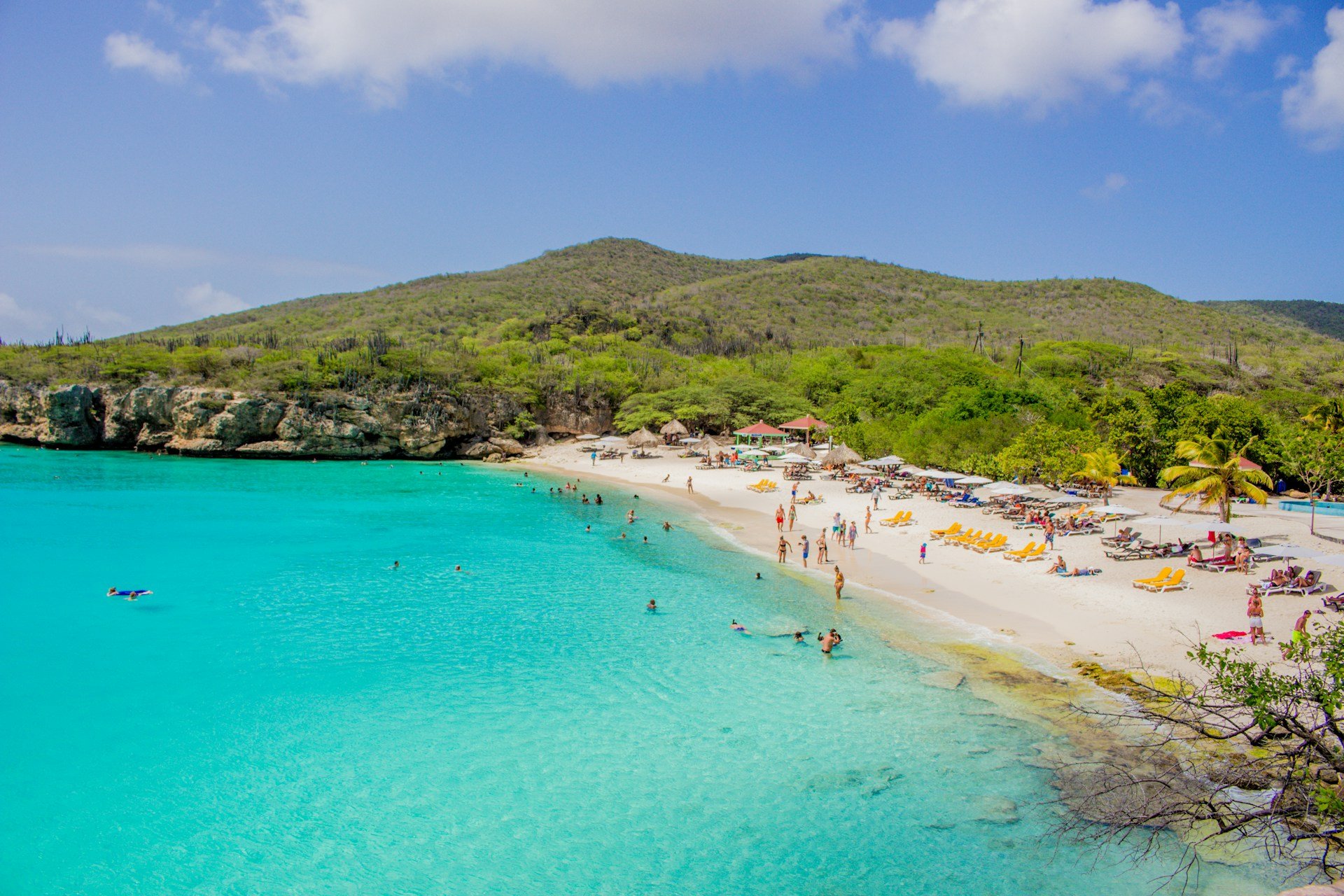
Mambo Beach: A popular beach area with restaurants, bars, shops and facilities. Allow roughly 10-20 minutes by taxi from the cruise port, depending on traffic.
Blue Bay Beach: A developed beach area farther from the city, usually requiring a taxi or organised transfer.
Playa Porto Mari: Known for its clear water and snorkelling, but farther away and better suited to a planned excursion or taxi trip.
Beach access charges, sunbed hire and watersports fees vary. Ask whether the price includes facilities such as showers and toilets.
Shopping
Punda has a concentration of shops, including souvenirs, clothing, jewellery and local products. The waterfront is also popular for photographs and browsing.
Look for Curaçao liqueur, local art, crafts and island-themed gifts. If buying liqueur, check airline and customs allowances before taking it home.
Accessibility
The central districts have paved streets, but some historic sections have uneven surfaces, kerbs and cobbles. The floating bridge can move and may be closed temporarily to pedestrians when vessels pass.
The Mega Pier area is generally more straightforward than some older streets, but the exact route depends on the berth. Taxis are useful for avoiding longer walks in hot weather.
Beaches may have sand, steps and limited wheelchair access. Passengers who need step-free routes should check the route and transfer arrangements with the port, venue or excursion provider before setting out.
Oranjestad, Aruba
Aruba is known for its dry, sunny climate, white-sand beaches and clear turquoise water. Its capital, Oranjestad, has colourful Dutch-influenced buildings, shopping streets and a waterfront area close to the cruise port.
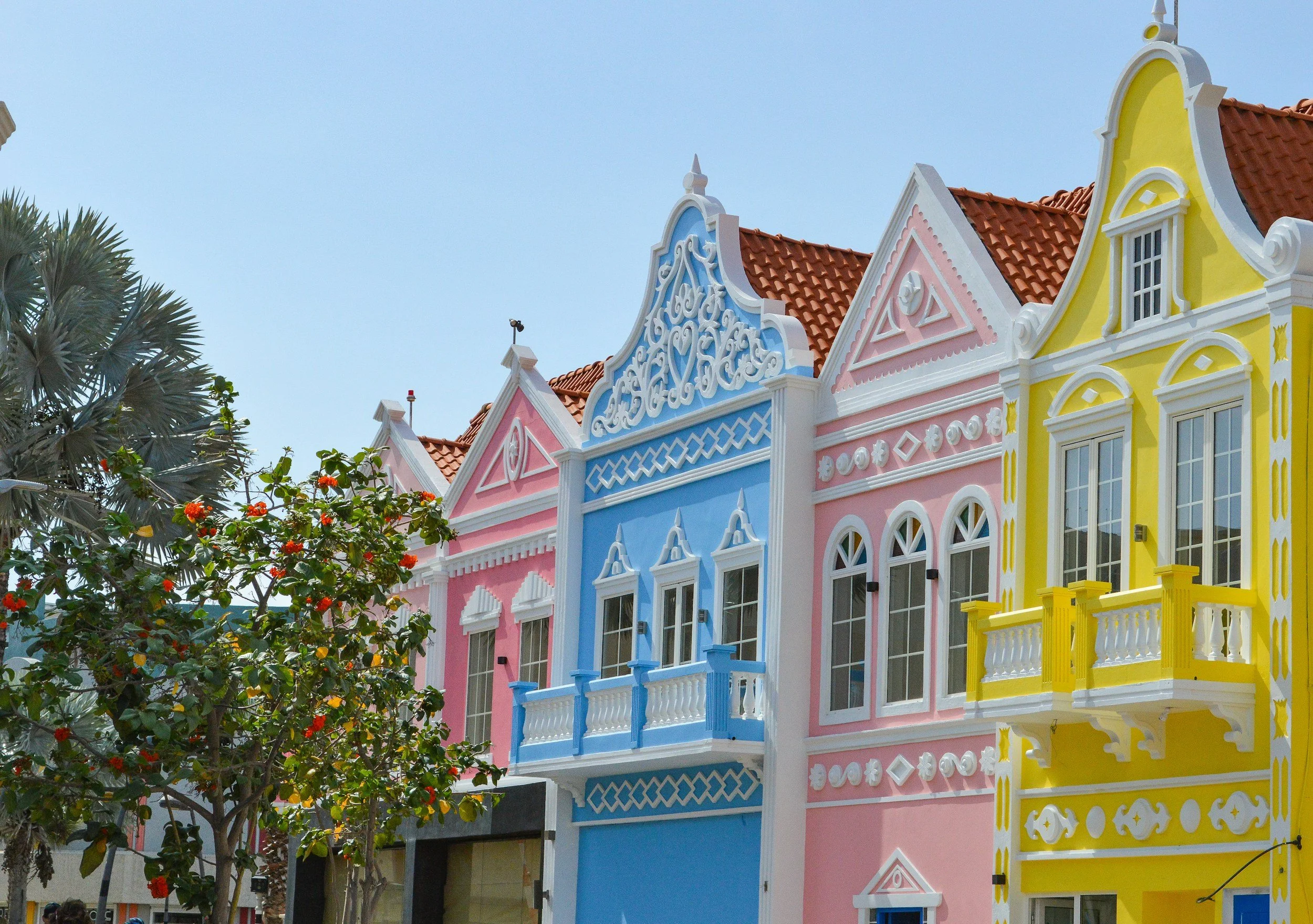
The island’s main beaches are outside the immediate city centre, but taxis make them accessible for a half-day visit. Aruba can be breezy, particularly on its exposed coastline, so beach conditions vary.
Language: Papiamento and Dutch. English and Spanish are also widely spoken.
Currency: Aruban florin (AWG). US dollars are widely accepted.
Distance to town: The cruise terminal is in central Oranjestad. The main shopping streets and waterfront are approximately 5-10 minutes on foot.
Aruba Cruise port: what to expect
Cruise ships dock at the terminal in central Oranjestad. Shops, cafés, restaurants and the main shopping streets are close by, making this a convenient port for passengers who prefer to stay in town.
The downtown area is generally walkable from the terminal, with a mixture of shopping areas, waterfront views and historic buildings. Some beaches are farther away and require transport.
Getting around
Oranjestad is easy to explore on foot, particularly if your plan is to browse the shops and see the town centre.
Taxis are available for beaches and island sightseeing. Confirm the fare and whether it is per vehicle or per passenger before setting off.
Public buses run along routes serving tourist areas, including the hotel district, but check the current timetable and return options if you have a fixed time to be back on board.
Things to do in Oranjestad
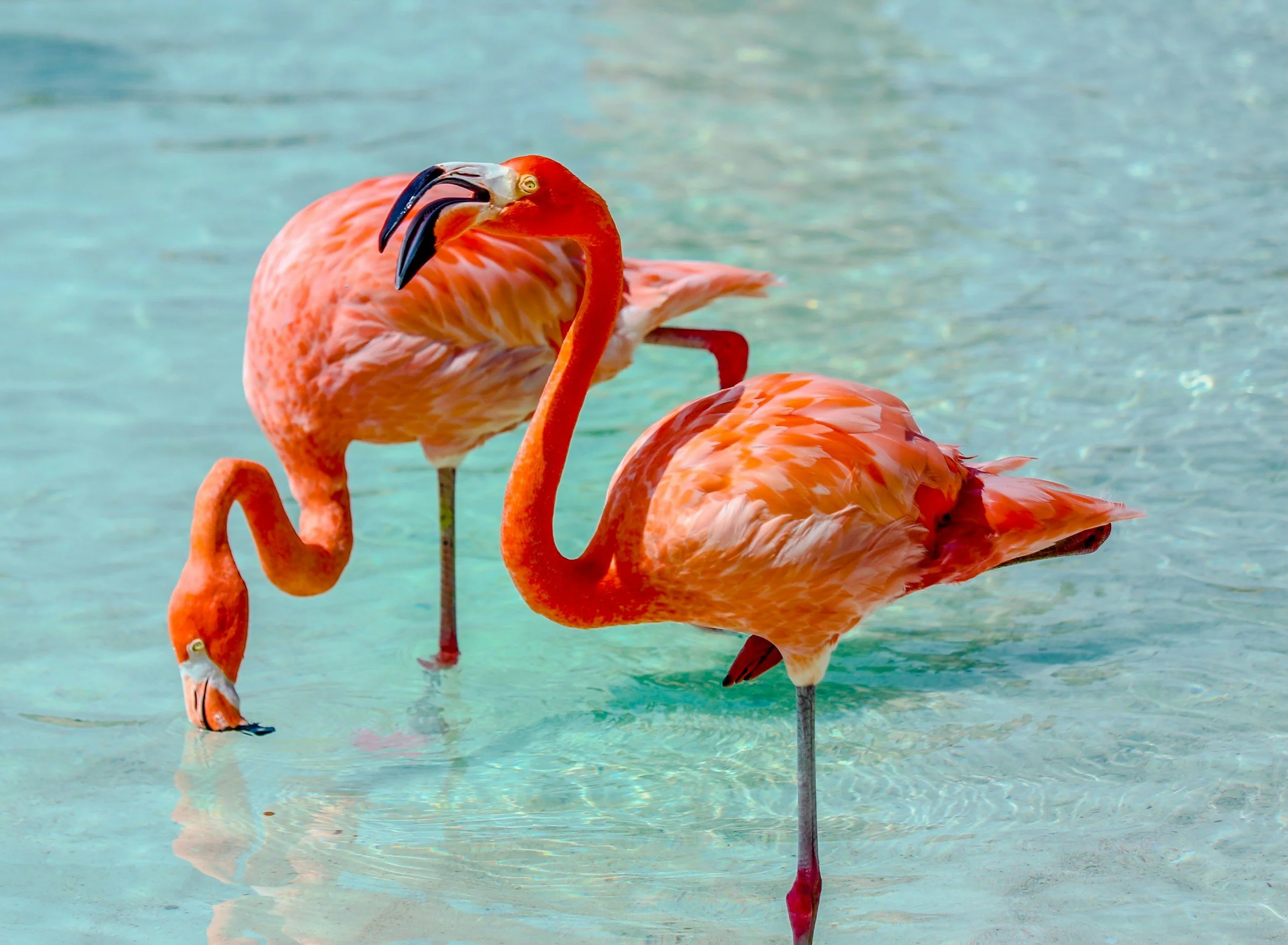
Downtown Oranjestad: Explore the colourful architecture, shops and waterfront streets.
Fort Zoutman and the Historical Museum: Learn about Aruba’s colonial history. Check opening hours before visiting.
Renaissance Marketplace: A shopping and dining area near the waterfront, with a mixture of international and local businesses.
California Lighthouse: A well-known landmark in the north of the island, with views of the coastline. It is not within walking distance of the port.
Casibari Rock Formations: A striking landscape of large rock formations inland, usually visited by taxi or organised tour.
Natural Bridge area: The original natural limestone arch collapsed in 2005, but the coastline remains a popular sightseeing stop. Be careful around exposed rocky areas and follow local safety advice.
Flamingo Beach (see below)
🦩 The Quick Guide to Flamingo Beach (Aruba)
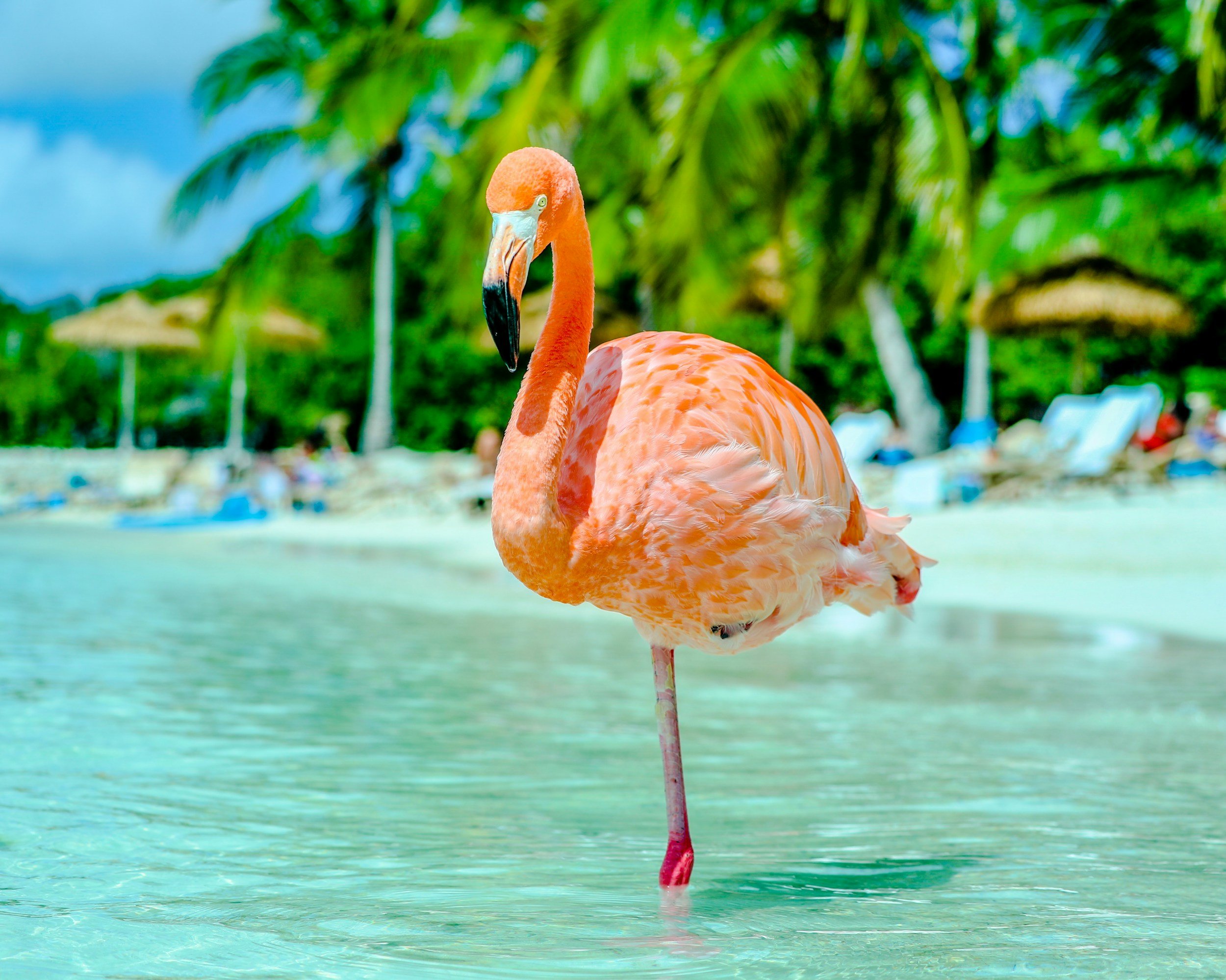
If you have seen the viral photos of pink flamingos wading through turquoise water, know this upfront: flamingos are not native to Aruba and do not live on public beaches. They reside exclusively on Renaissance Island, a private oasis owned by the Renaissance Wind Creek Aruba Resort.
Visiting this beach during a short cruise window requires precise, advanced planning.
| Cruise Factor | Details & Logistics |
|---|---|
| Distance from Pier | 5–10 minute walk to the water taxi launch |
| Transit Time | 15-minute boat ride each way (boats run every 15 mins) |
| Time Needed | Budget at least 3 to 4 hours to enjoy the island and guarantee a safe return to the ship |
| Cost | $125 USD for a day pass (includes lunch & 1 drink) |
| Backup Option | If Renaissance is sold out, look into an all-inclusive day pass to De Palm Island (offered as a TUI excursion), which also has a small flock of flamingos in a designated beach habitat. |
How to Get Access: Because you are not staying at the resort, you must purchase a private island day pass online for $125 USD (includes water taxi, lunch, and a drink). Passes go on sale on the Renaissance day-pass portal every Saturday at 9:00 AM local time for the following week and sell out in seconds.
The "Spa Loophole": If day passes sell out, booking an open-air massage at the island's Spa Cove also grants full day access to the beaches.
Cruise Logistics:
The resort is a 5-to-10-minute walk from the Oranjestad cruise terminal. From there, a private water taxi whisks you on a 15-minute ride to the island. Boats run every 15 minutes, making it easy to manage your ship's departure time.
Cruise Lowdown Tips: Avoid These Mistakes
Watch the Age Limits if Traveling with Kids: Flamingo Beach is strictly adults-only. Children are only allowed to see and feed the flamingos during a tiny window from 9:00 AM to 10:00 AM daily. If you are cruising with kids, you must get off the ship on the very first water taxi to make it worth your while.
Bring US Quarters: The flamingos are used to humans and will eat right out of your hand. There are gumball-style vending machines on the beach walkways that dispense bird food pellets. They only take US quarters ($0.25), so bring a few with you!
Go Early for the Best Photos: The birds are hungrier and much more active in the morning. By noon, they are full, tired, and tend to retreat to the shade away from tourists.
Where to eat in Oranjestad
Aruban cooking draws on Caribbean, Dutch and South American influences, with seafood and local breads featuring on many menus.
Driftwood Restaurant: A well-known downtown seafood restaurant, popular for fish and Caribbean-style seafood dishes.
The West Deck: A casual waterfront restaurant with views and a menu featuring local touches alongside familiar favourites.
Nusa Harbour: A waterfront restaurant offering Indonesian-inspired dishes and sharing options.
Local cafés and casual eateries: Useful for a quick snack or lunch before returning to the ship.
Look for keshi yena, a baked cheese dish with a savoury filling; pastechi, a filled pastry; pan bati, a traditional Aruban cornmeal bread; and fresh fish prepared island-style. Seafood availability and prices vary.
Food and drink prices in Oranjestad
Aruba uses the Aruban florin (AWG). US dollars are widely accepted, and many visitor-facing businesses display prices in US dollars.
Typical budgeting estimates:
Pastechi or a local snack: AWG 5-12 (£2-£5)
Casual local meal: AWG 20-40 (£8-£16)
Main course in a sit-down restaurant: AWG 40-85 (£16-£34)
Beer: AWG 6-14 (£2-£6)
Rum punch or cocktail: AWG 15-30 (£6-£12)
Soft drink or bottled water: AWG 4-10 (£2-£4)
These are indicative ranges. Beachfront and hotel-area restaurants can be more expensive, particularly for seafood and cocktails. Check whether the menu is priced in florins or US dollars before ordering.
TUI shore excursions
TUI has advertised excursions including:
Panoramic Aruba: An island sightseeing trip with stops at major landmarks and viewpoints.
De Palm Island: A day out at a private island attraction with water-based activities and facilities, subject to the package booked.
See & Sea: A tour combining a semi-submarine experience with island sightseeing.
The excursion programme may change between sailings. Check the current price, duration, included refreshments and transfer arrangements before booking.
Is getting around independently easy?
Oranjestad is easy to explore independently if you want shopping, a stroll and a meal close to the ship. The central streets and waterfront are within walking distance of the terminal.
For a beach visit, a taxi or bus is more practical. If you want to see several attractions around the island, a guided tour or a pre-arranged taxi itinerary can save time.
Beach days
Surfside Beach: One of the closer beach options to Oranjestad. It can be reached by a short taxi journey, although the precise time depends on the terminal and traffic.
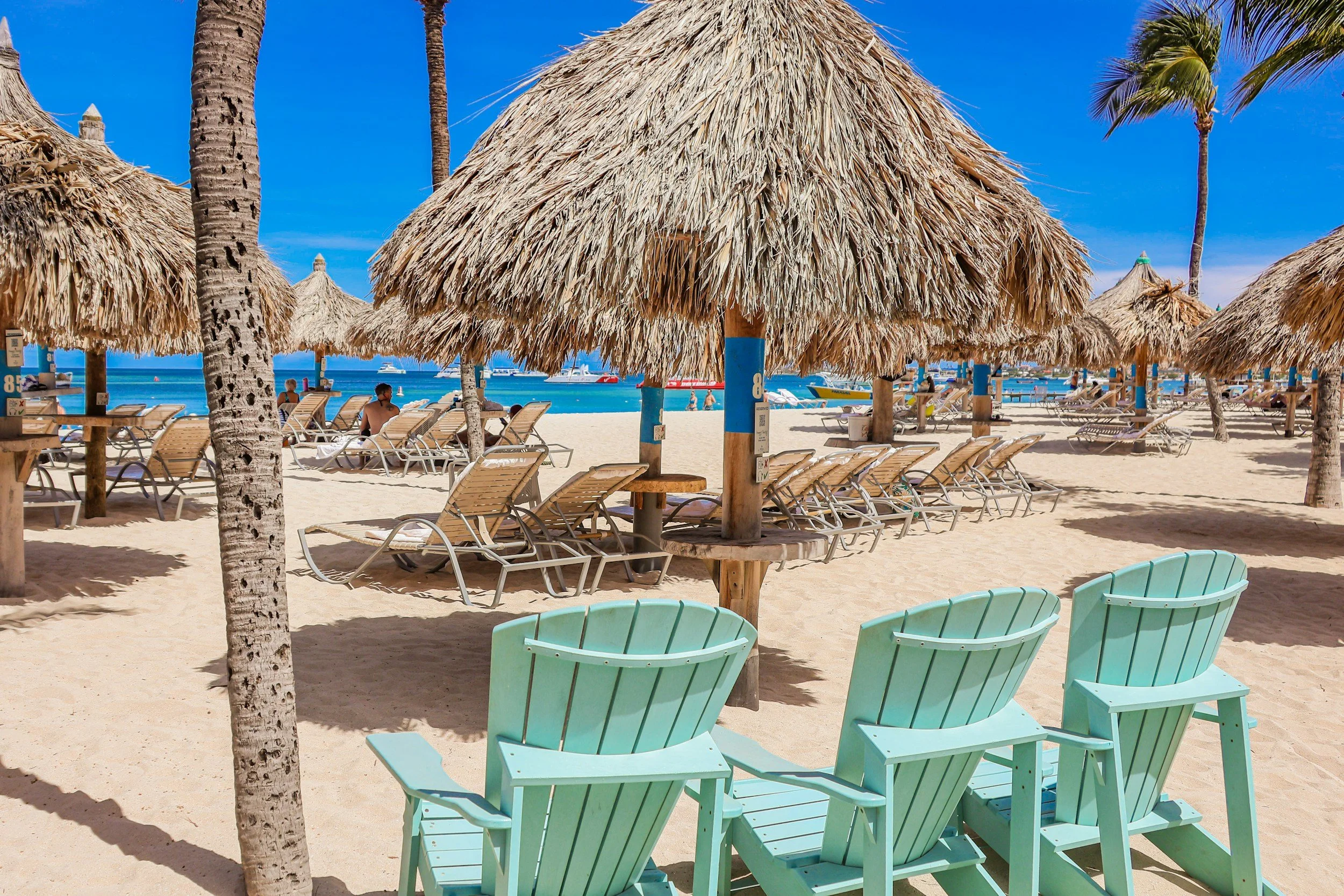
Eagle Beach: A famous stretch of white sand with clear water and space to relax. Allow roughly 10-20 minutes by taxi, depending on traffic and your drop-off point.
Palm Beach: A developed beach area with hotels, watersports, bars and restaurants. It generally takes longer to reach than Surfside and is best planned as a separate outing.
Check sunbed and umbrella charges before settling in. Aruba can be windy, and conditions differ between beaches.
Shopping
Oranjestad is one of the better ports for shopping, with duty-free shops, jewellery, clothing, cosmetics, souvenirs and local products close to the terminal.
The Renaissance area and central shopping streets offer a mixture of international brands and smaller businesses. Compare prices and confirm the currency, particularly for higher-value purchases.
Accessibility
The central shopping area is relatively convenient, although kerbs, uneven pavement sections and busy crossings can create difficulties.
Beach access varies. Some developed beaches have facilities and nearby parking, but soft sand can make access difficult for wheelchairs and mobility aids.
Taxis can help reduce walking, but confirm whether a suitable vehicle is available if you need step-free entry or space for a mobility aid. Passengers booking excursions should check walking distances, steps and the availability of accessible transport in advance.
Kralendijk, Bonaire
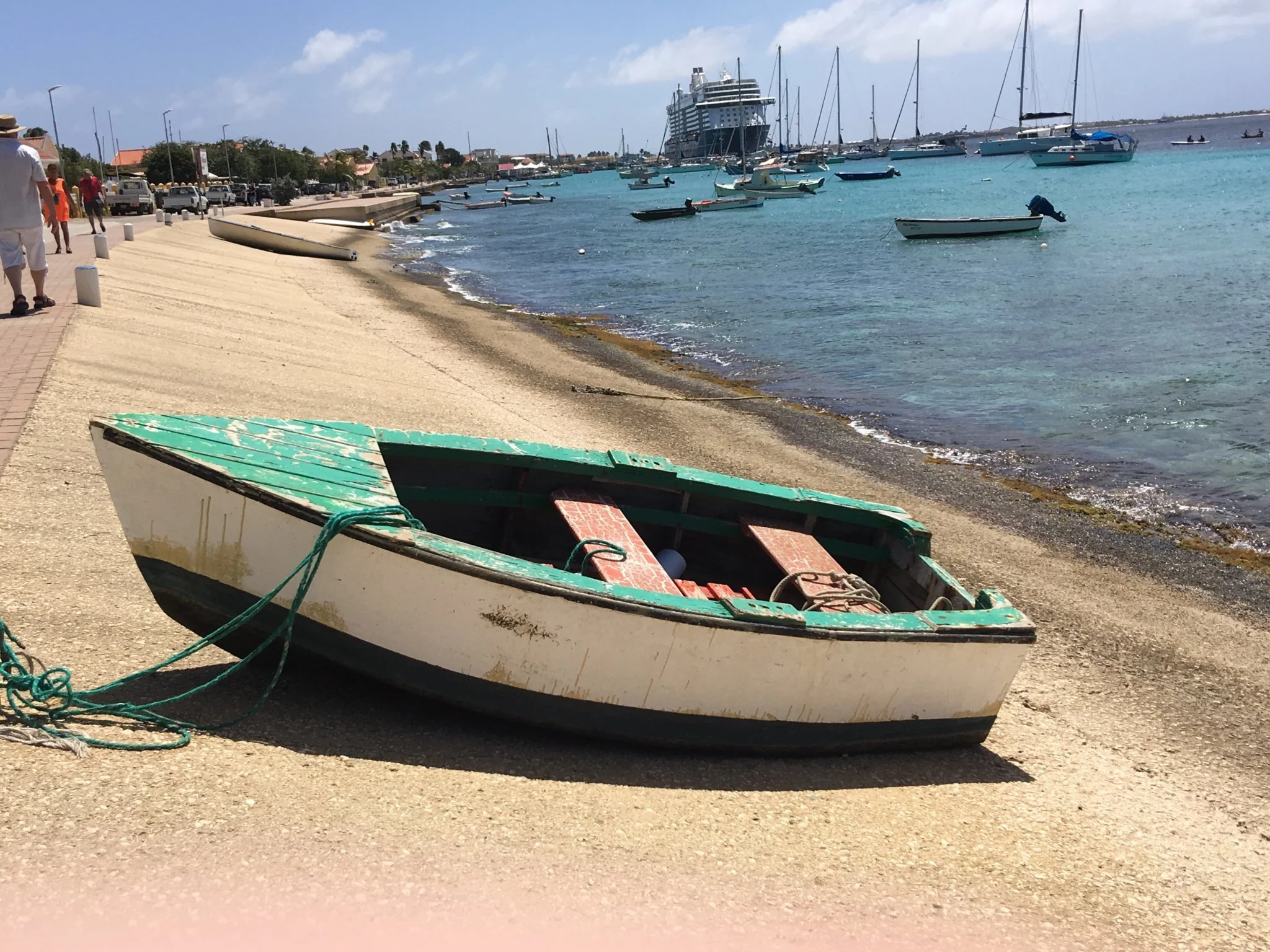
Bonaire is particularly well known for diving, snorkelling and marine conservation. Its capital, Kralendijk, is a small, colourful waterfront town with shops, cafés and restaurants close to the cruise berths.
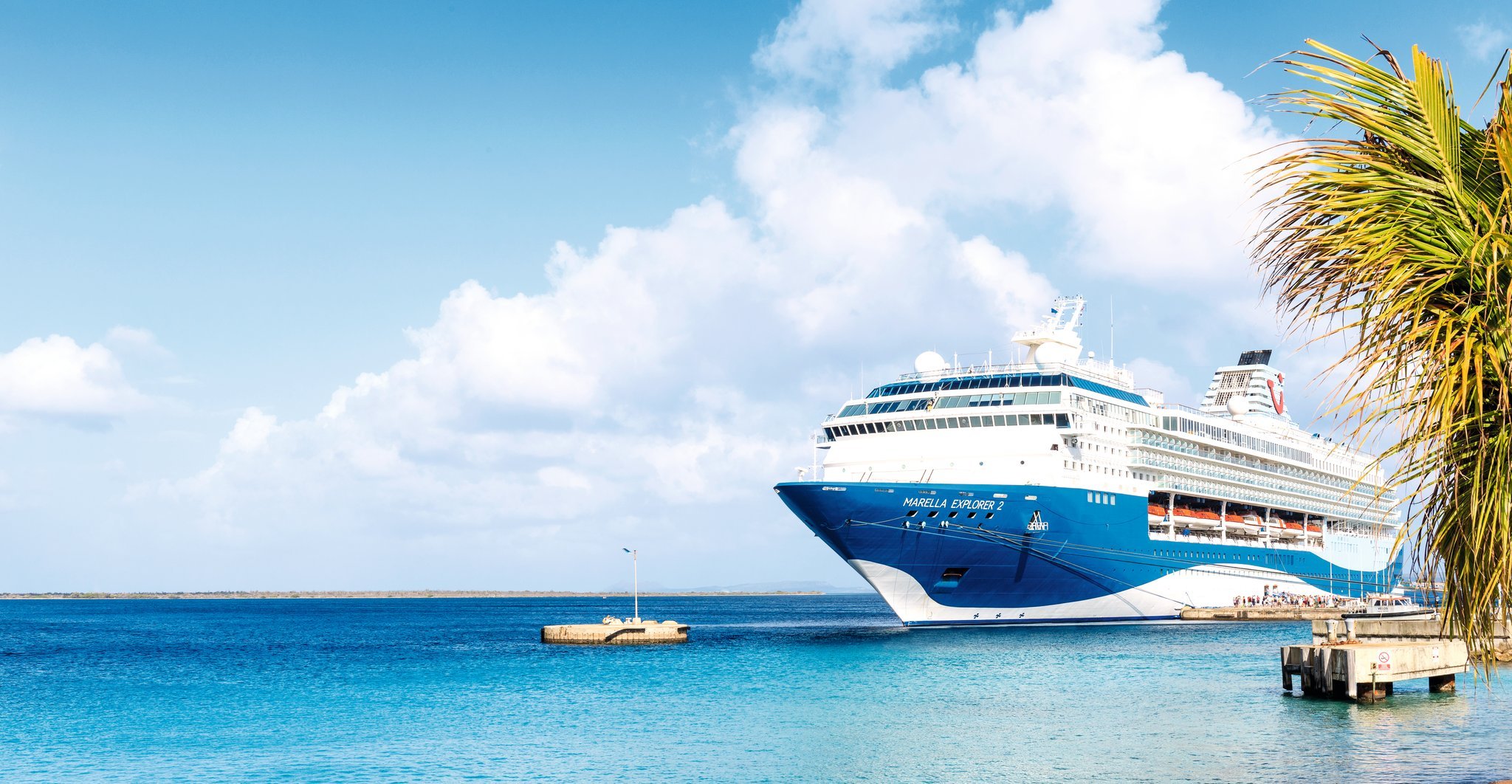
The island has a quieter feel than some of the larger Caribbean destinations. Many of its best swimming and snorkelling spots are outside the town centre, so a little planning is useful if you want to spend time in the sea.
Language: Papiamentu and Dutch. English is widely spoken in tourist areas.
Currency: US dollar (USD).
Distance to town: The cruise piers are beside central Kralendijk. The waterfront, shops and restaurants are generally around 5-10 minutes on foot, depending on the pier and destination.
Kralendijk, Bonaire Cruise port: what to expect
Cruise ships generally dock at the terminal area close to central Kralendijk. The town centre is within walking distance, with shops, restaurants and waterfront views along the main streets.
The port area is relatively compact. You can browse the shops, have a drink or explore the waterfront without booking transport.
Beaches and snorkelling sites are spread along the coast, however, and some require a taxi, rental vehicle or organised transfer.
Getting around
Kralendijk is walkable, particularly around the waterfront and main shopping street, Kaya Grandi.
Taxis and organised tours are useful for reaching beaches, snorkelling spots and the southern salt flats. Public transport is more limited than in some larger destinations, so do not assume you can reach every attraction easily by bus.
Bonaire is a popular diving destination, but cruise visitors should be realistic about how much they can fit into a short call. If you want to snorkel, allow time for equipment hire, getting to the water and returning to the ship.
Things to do in Kralendijk
Kaya Grandi: The town’s main shopping street, with souvenir shops, cafés and local businesses.
Waterfront promenade: A pleasant place to stroll, enjoy the sea views and watch the boats.
Bonaire Marine Park: The protected marine environment is the main attraction for divers and snorkellers. Follow local rules and use recognised operators.
Salt flats and salt pyramids: In the south of the island, these are reminders of Bonaire’s salt industry. The landscape is distinctive and makes a popular sightseeing stop.
Slave huts: Small historic structures near the salt flats associated with the island’s history of slavery and salt production. Visit respectfully and follow local guidance.
Rincon: One of Bonaire’s oldest settlements, inland from Kralendijk. It is best reached by taxi or organised excursion.
Where to eat in Kralendijk
Kralendijk has a mix of local food, seafood, international restaurants and casual cafés.
La Cantina: A central restaurant and beer café on Kaya Grandi, known for fresh fish and a relaxed courtyard setting.
Julian’s Café & Restaurant: A casual option for lunch, with hearty meals and fish specials.
El Mundo: A central restaurant and bar with a broad menu that includes local and international dishes.
Local cafés and snack bars: Worth considering for a simple lunch before returning to the ship.
Look for kabritu stoba, a goat stew; galina stoba, a chicken stew; fresh fish; and dishes served with plantain, rice or funchi. Bonaire’s food also reflects Dutch, Caribbean and Latin American influences.
Food and drink prices in Kralendijk
Bonaire uses the US dollar, making it straightforward for many visitors to understand prices.
Typical budgeting estimates:
Local snack or light meal: US$5-$12 (£4-£9)
Casual lunch or local meal: US$12-$25 (£9-£19)
Main course in a sit-down restaurant: US$20-$40 (£15-£31)
Beer: US$4-$8 (£3-£6)
Cocktail: US$8-$15 (£6-£12)
Soft drink or bottled water: US$2-$5 (£1.50-£4)
Restaurants in popular waterfront locations can be more expensive, and seafood prices depend on the catch and preparation. Check whether service charges are included.
TUI shore excursions
TUI has advertised excursions including:
Bonaire Highlights & Culture Explorer: A tour exploring the island’s culture, history, salt flats and other landmarks.
Catamaran Sailing on the Mushi Mushi: A sailing trip with opportunities to enjoy Bonaire’s marine environment.
Snorkelling and marine experiences: Options may be available for passengers who want to experience the island’s underwater life.
Check the current excursion list for your sailing. Confirm whether snorkelling equipment, refreshments and transfers are included, and whether the activity is suitable for your swimming ability.
Is getting around independently easy?
Kralendijk is easy to explore independently on foot if you want to visit the shops and waterfront. It is a compact town, and you do not need a tour to see the central area.
For beaches, the salt flats or Rincon, arrange transport in advance or use an excursion. The short port call offered on some itineraries makes it especially important to plan your return journey.
Beach days
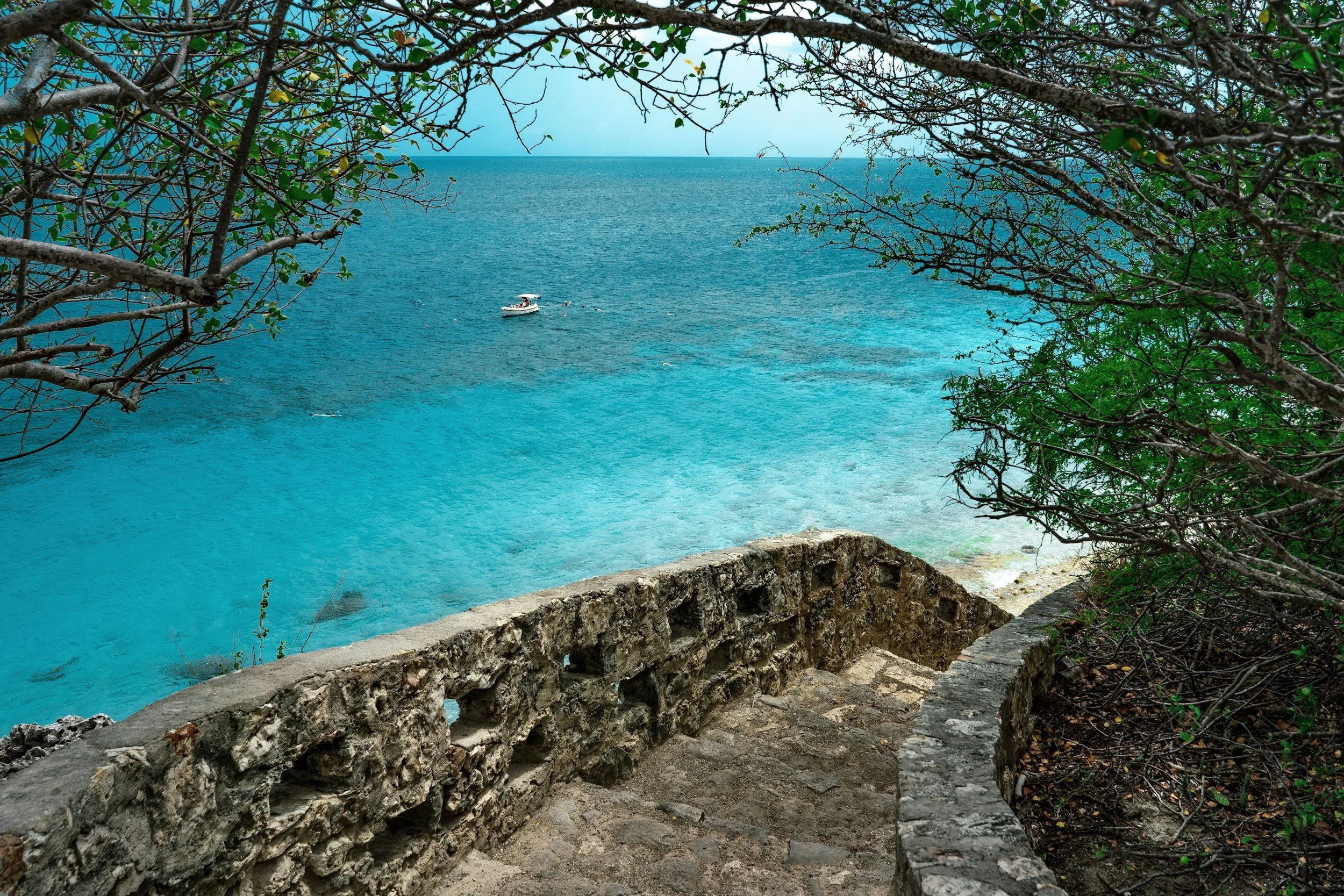
Chachacha Beach: Close to central Kralendijk and a convenient option for a quick swim. It is generally reachable on foot from the town, although access can involve steps or a rocky shoreline rather than a broad sandy beach.
Te Amo Beach: A popular spot near the airport, with clear water and good snorkelling opportunities. A short taxi ride is usually the most practical way to reach it from the cruise port.
Bachelor’s Beach: A small beach farther south, often reached by taxi. Access down to the water can be steep, so check conditions if mobility is a concern.
Sorobon Beach: Known for shallow water and windsurfing, but it is farther from Kralendijk and needs more travel time. It is better suited to a planned trip than an impromptu short visit.
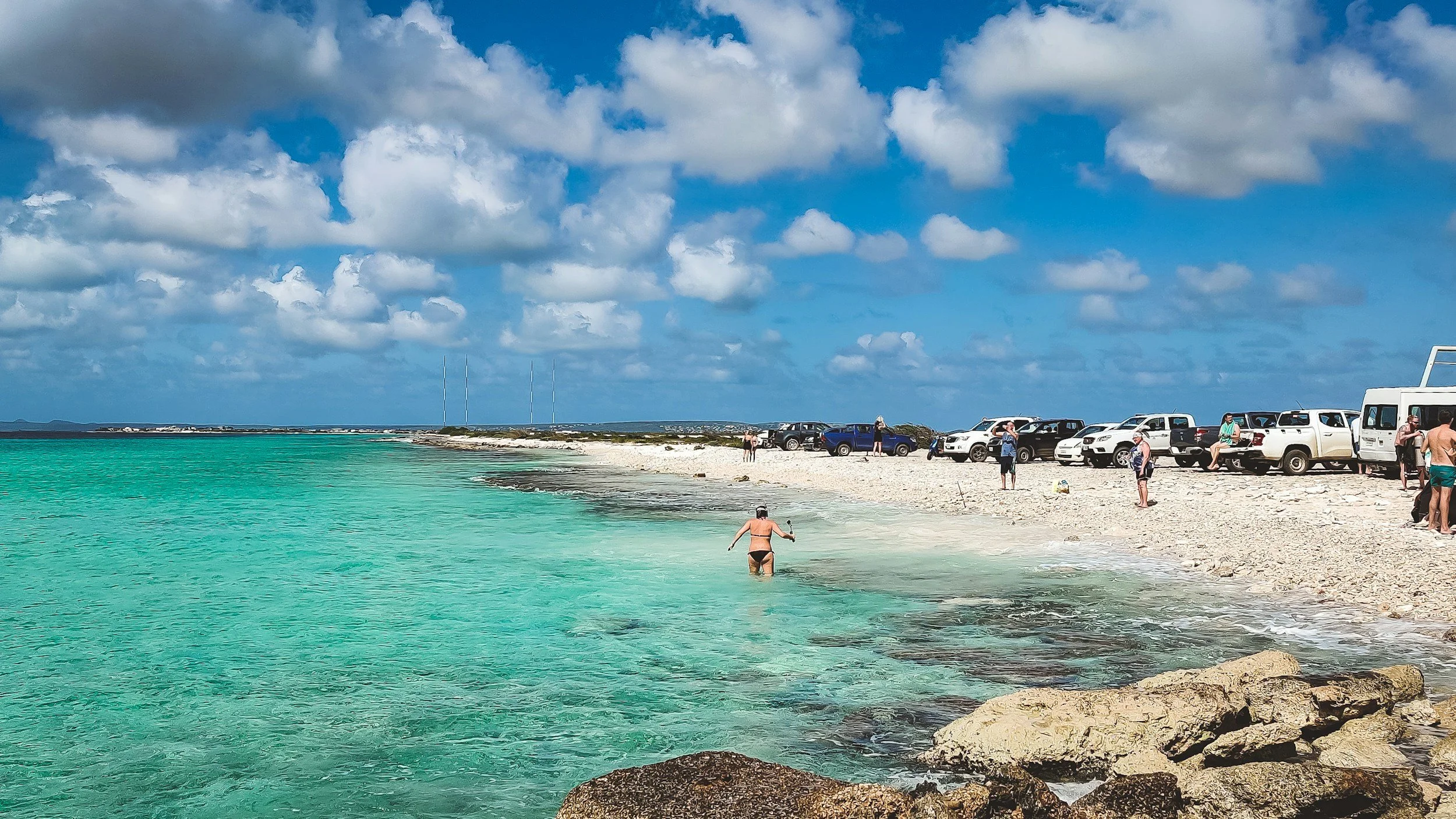
Not every beach has extensive facilities, and some entrances are rocky. Bring suitable footwear for entering the water and check transport arrangements before settling in.
Shopping
Kaya Grandi and the nearby waterfront streets have souvenir shops, clothing, local crafts and small businesses. Shopping is more limited than in Oranjestad or Willemstad, but it is convenient for a short visit.
Look for locally made crafts, island-themed gifts and products made with aloe or cactus. Bonaire also produces cactus-based liqueur, which may be available in local shops.
Accessibility
The central town is relatively compact, but pavements can be uneven and some areas have kerbs or limited step-free access.
Many of Bonaire’s best-known swimming and snorkelling locations have rocky entries, steps or sand, so they may not be suitable for everyone with mobility limitations. Do not assume a beach is wheelchair accessible simply because it is close to the road.
If you need accessible transport, confirm arrangements before leaving the port. For a short call, the waterfront and town centre may be the most practical option without a pre-arranged accessible vehicle.
The Lowdown
The easiest ports for independent exploration are generally Willemstad, Oranjestad, Kralendijk and central St George’s, where the town or waterfront is close to the cruise terminal. Bequia is also straightforward once you have reached shore by tender, although the tender transfer itself needs consideration.
St Lucia is the port where planning matters most if you want to see the Pitons or travel to the island’s southern attractions. Grenada also rewards a planned excursion if waterfalls, rainforest and spice estates are on your wish list.
For a beach day, decide how much time you want to spend travelling. A nearby beach and a relaxed lunch may be more enjoyable than trying to fit several distant attractions into one call.
You might also want to consider an option that many Americans do in the Caribbean and that is to book a day resort pass at one of the participating hotels. We did this on a visit to St Lucia at the BodyHoliday resort. Passes usually include food & drink and changing facilities. Check out www.resortpass.com or contact hotel directly.
Prices in this guide are estimates for budgeting, not quotations from individual venues. Check menus, taxi fares, beach facilities and excursion details locally, and always allow a comfortable margin to return to the ship before the all-aboard time.