
13 + 1 Cruise Ship Details Most Passengers Never Notice
13+1 Cruise Ship Details You’ll Start Noticing Once Someone Points Them Out
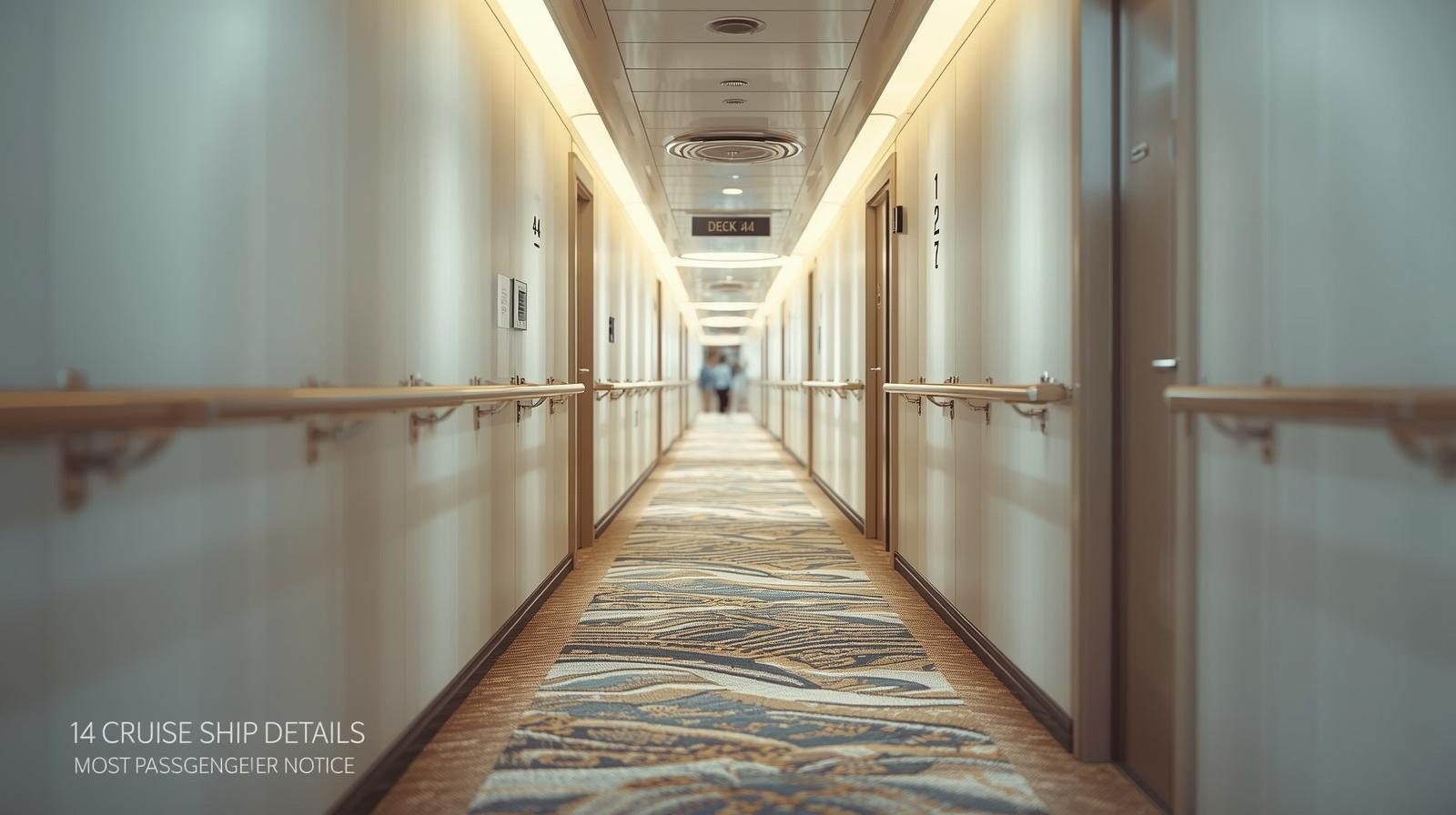
Hidden. Cruise Ship Details - If You Know You Know
Most cruise passengers walk the same corridors, ride the same lifts and relax by the same pools without ever noticing the small details quietly working behind the scenes.
But once someone points them out, you’ll see them everywhere.
From the carpets beneath your feet to the symbols on cabin doors and even deck numbering, cruise ships are designed with subtle cues that guide movement, improve safety and even reduce seasickness – all without guests realising.
Here are 14 cruise ship details you’ll start noticing on every sailing from now on.
1. Cruise Ship Carpets Are Designed to Reduce Motion Sickness
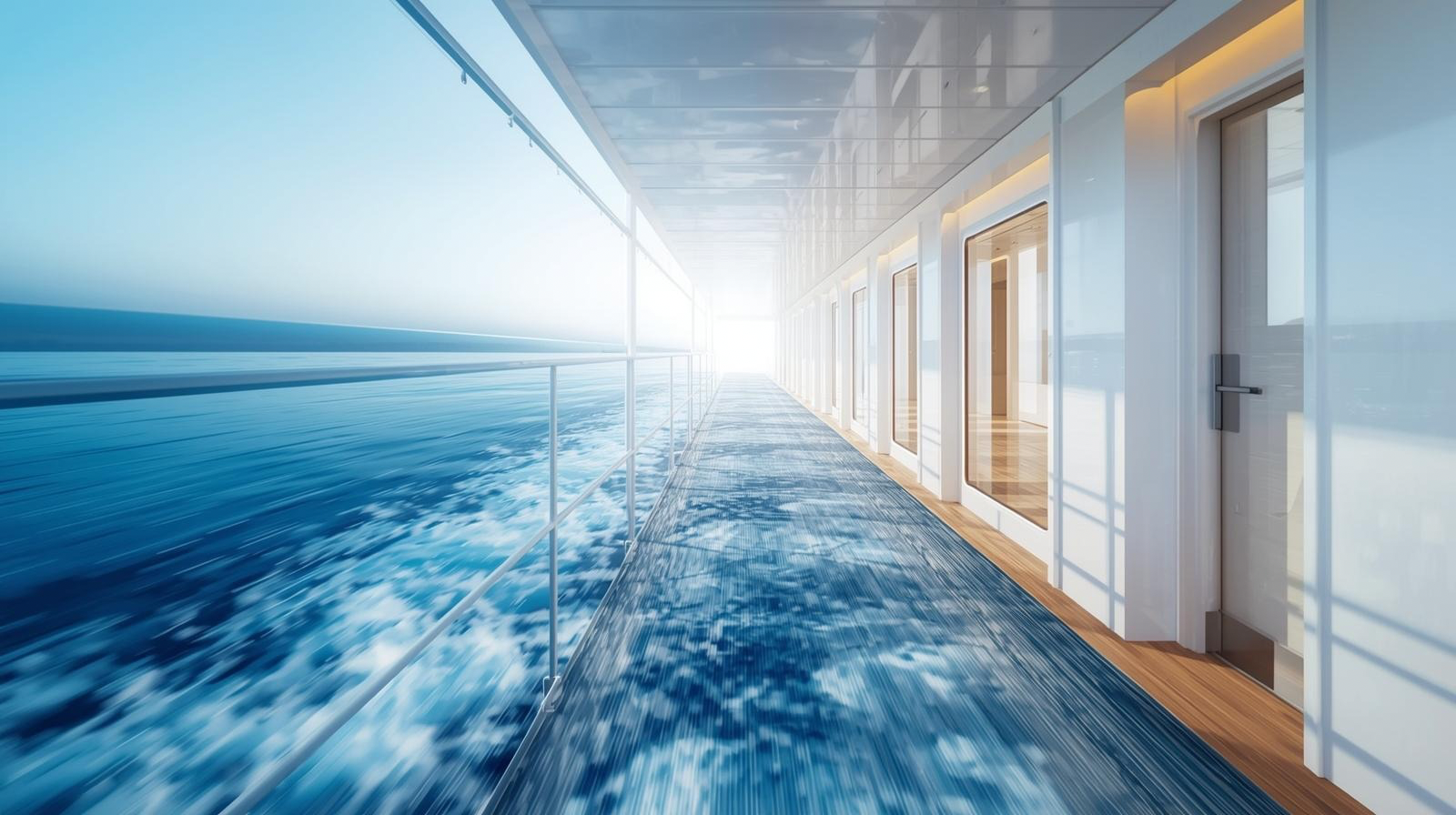
When heavily patterned carpets WON’T make you feel sick!
Cruise ship carpets aren’t chosen for style alone. Their busy, irregular patterns help disguise subtle ship movement, reducing visual triggers that can cause motion sickness.
This is why you’ll rarely see large blocks of plain colour in long corridors.
2. Corridor Patterns Often Point Towards the Front of the Ship
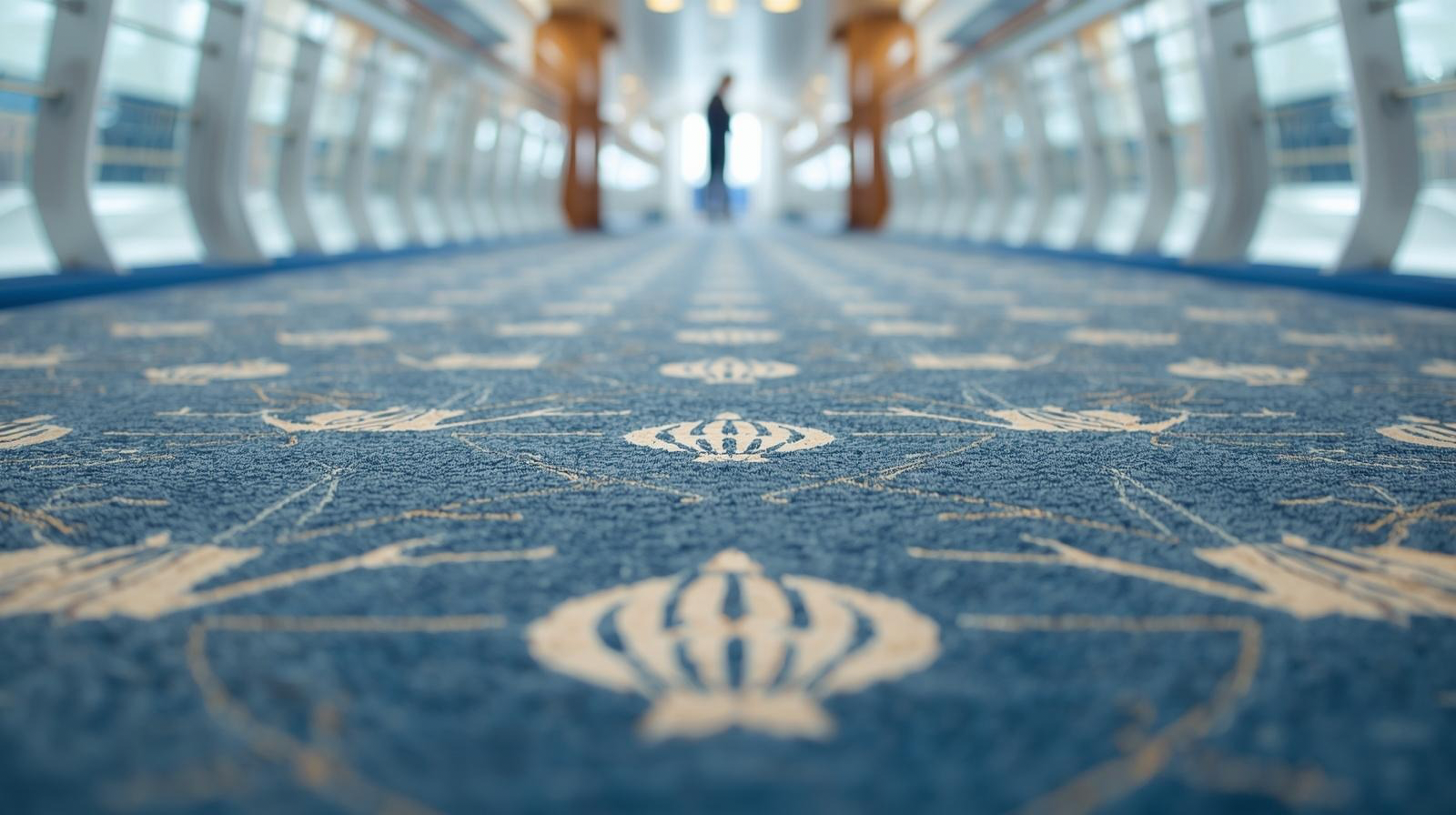
Lost on the ship? Look down and you might find a clue underfoot - with the pattern pointing forward
Look closely at fish, shells or directional patterns in carpets or artwork.
They often point towards the front (bow) of the ship - a visual navigation trick used by crew to move quickly through long, similar-looking corridors.
3. Heavy Metal Doors Divide the Ship Into Fire Zones
Those solid metal doors along corridors aren’t storage areas.
They separate the ship into fire zones, designed to contain smoke or flames if there’s an emergency. Each zone can be sealed independently within seconds.
4. Cabin Door Symbols Serve a Practical Purpose
Small plaques or symbols outside cabin doors aren’t decorative.
They help crew instantly identify:
Cabin category
Emergency access points
Evacuation or medical suitability
It’s information at a glance.
5. Every Ocean-Going Cruise Ship Has a Morgue

There is a discreet morgue on most cruise ships, should the unthinkable bale happen at sea.
Sadly, on occasion guests pass away whilst at sea, and therefore all ocean-going cruise ships, including luxury vessels, carry a small morgue onboard.
It’s rarely used, discreetly located and required under international maritime regulations - even on ships sailing from major US ports like Miami or Fort Lauderdale.
This is one part of the ship we all hope never to see.
6. Crew Staircases Are Hidden in Plain Sight
Ever noticed narrow stairwells with plain walls and no décor?
These are usually crew staircases, allowing staff to move quickly between decks without passing through guest areas - especially during busy times or emergencies.
7. Some “Artwork” Is Actually Safety Equipment
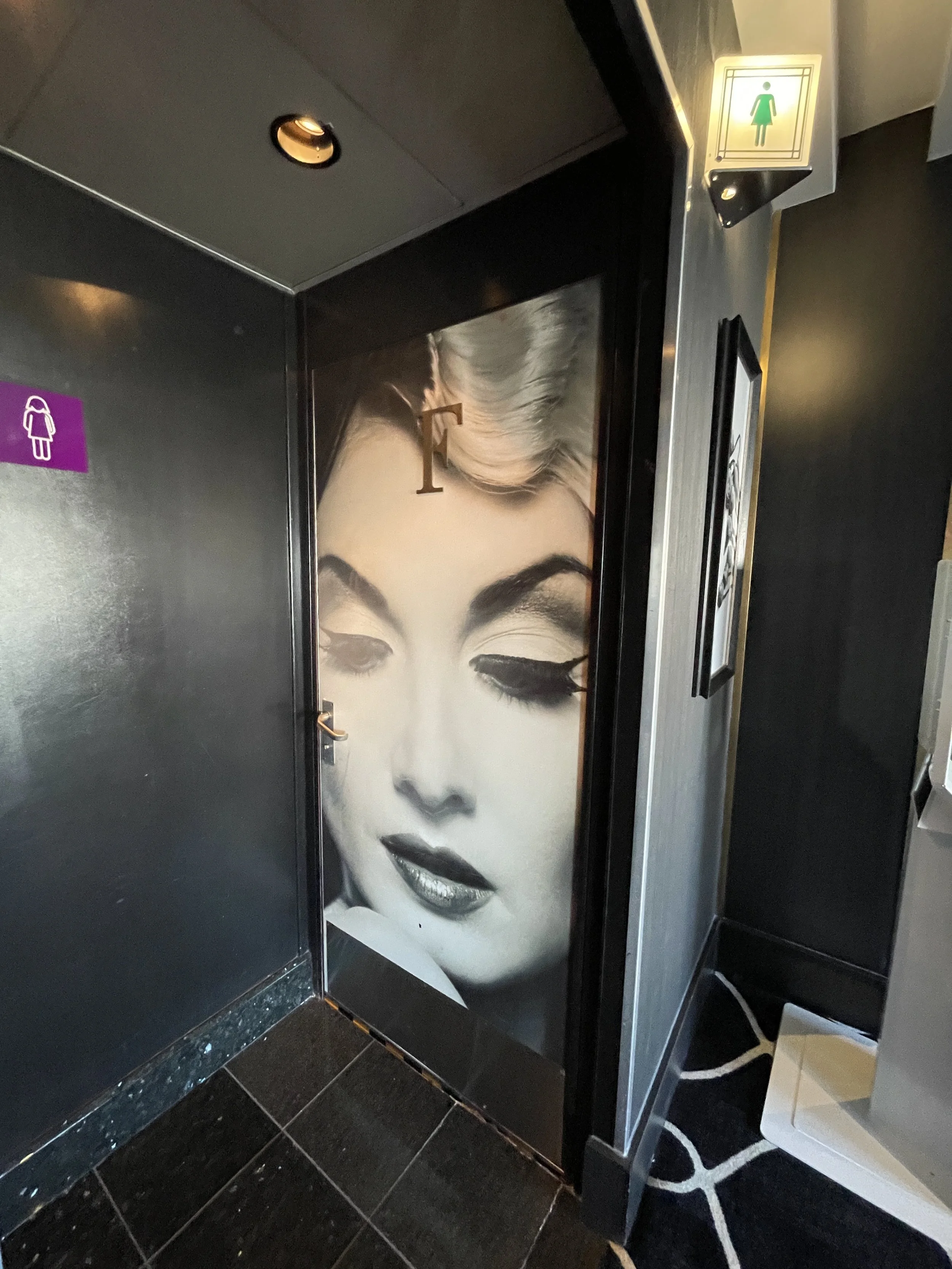
This glamorous piece of art is actually a doorway to a restroom on Ambassador Ambiance
Not everything you see on the walls is purely decorative.
Behind panels or framed features you may find:
Fire hoses
Emergency breathing equipment
Electrical access points
Even hidden or secret rooms
They’re concealed to keep public spaces visually calm.
8. Ceiling Heights Are Used to Control Passenger Flow
Public lounges and atriums often have higher ceilings, encouraging guests to linger and socialise.
Corridors and walkways are lower, subtly prompting people to keep moving. Cruise ship design uses crowd psychology more than most people realise.
9. Pool Water Is Treated More Than Most People Expect
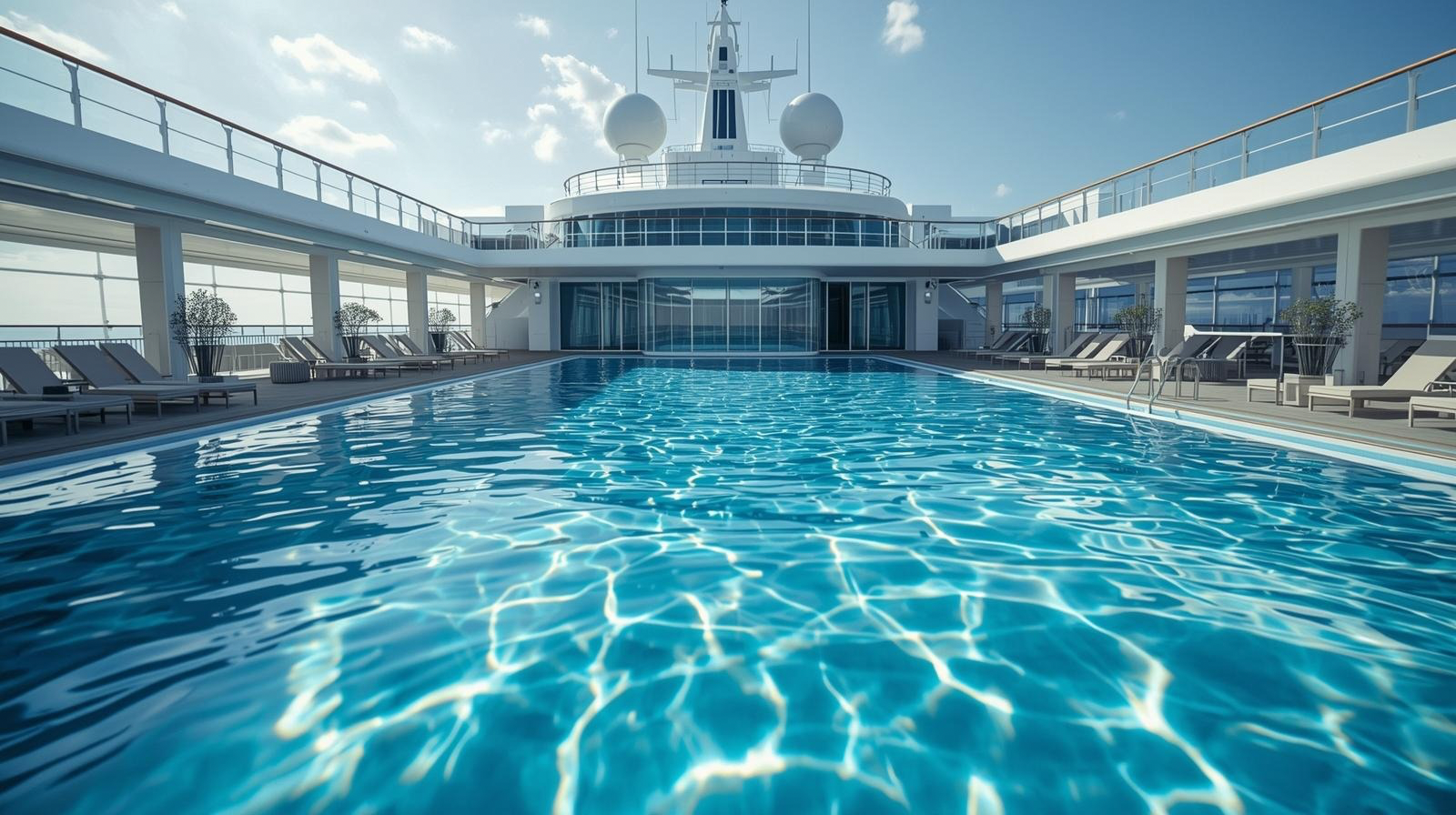
All cruise ship pools are tested and filtrated regularly.
Even ships that use seawater pools filter, chlorinate and test the water constantly.
Cruise ship pool water is monitored far more frequently than many land-based pools, with strict health standards in place worldwide.
10. Your Cruise Card (Key Card) Tracks More Than Your Cabin
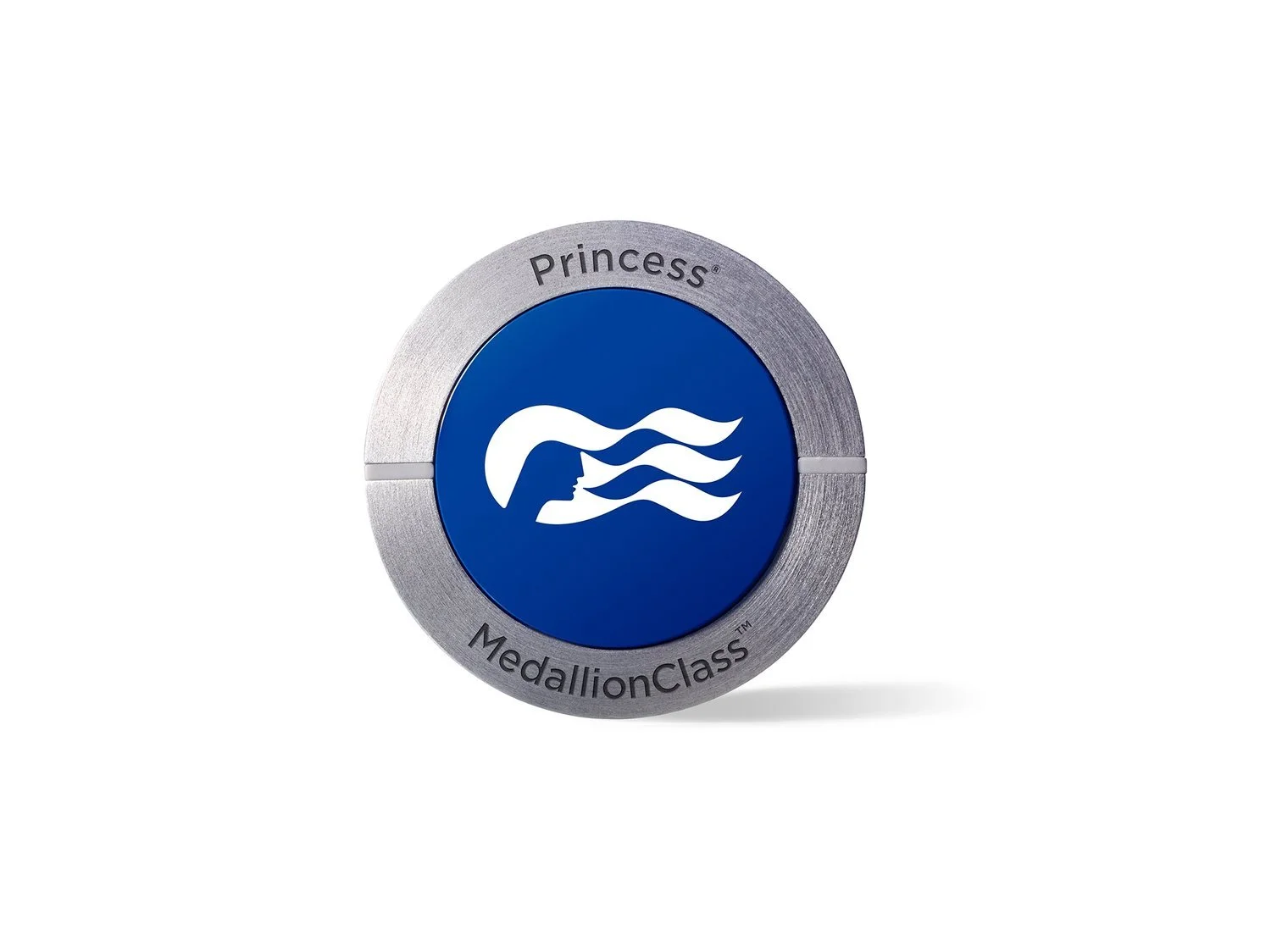
Your keycard or personal wearable, such as this Princess Cruises medallion, provides a wealth of information
Your cruise card - also called a key card – doesn’t just open doors.
It records when you:
Board and disembark
Leave and re-enter the ship in port
Enter certain venues
This is how crew instantly know if a passenger hasn’t returned onboard. On newer ships the keycard may be replaced with a personal wearable device like a bracelet or medallion which provides even more information such as your location on the ship.
11. Crew Cabins Are Positioned for Stability
Crew cabins are usually located lower and closer to the centre of the ship, where movement is reduced.
That’s one reason crew often feel rough seas far less than passengers staying higher up.
12. Emergency Exit Signs Glow Without Electricity
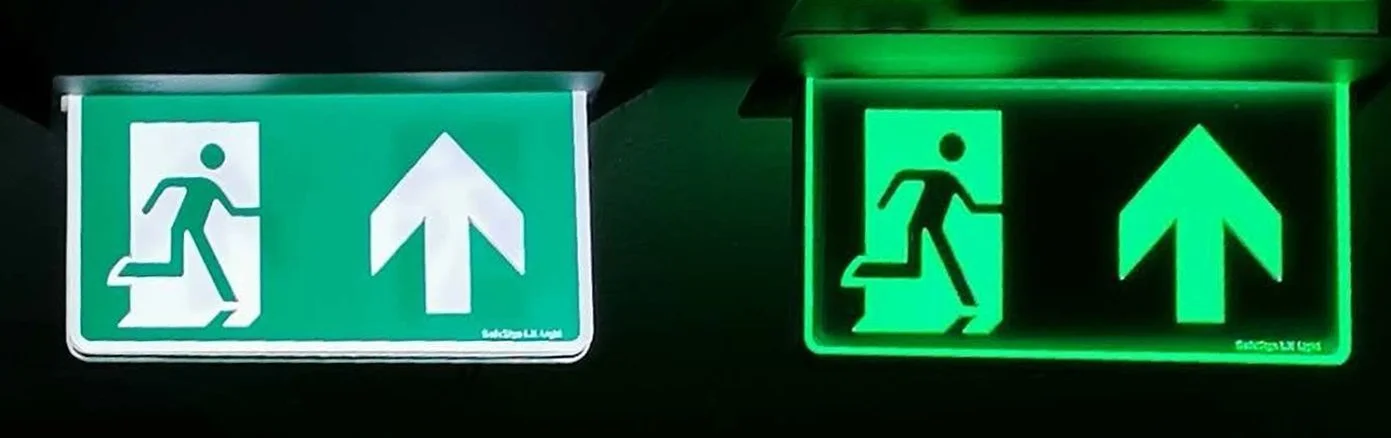
Exit signs onboard cruise ships don’t require electricity to work. Image: T-ISS Safety Supplies
Exit signs and floor markings aren’t powered by electricity alone.
They’re photoluminescent, absorbing light during normal conditions and glowing for hours in darkness or smoke-filled spaces.
13. The Captain’s Cabin Has One of the Best Views
The captain’s cabin is typically located near the bridge and often includes a private balcony.
This allows immediate access to the bridge and direct visibility during navigation or complex port manoeuvres.
14. (or 13+1) Most Cruise Ships Skip Deck 13
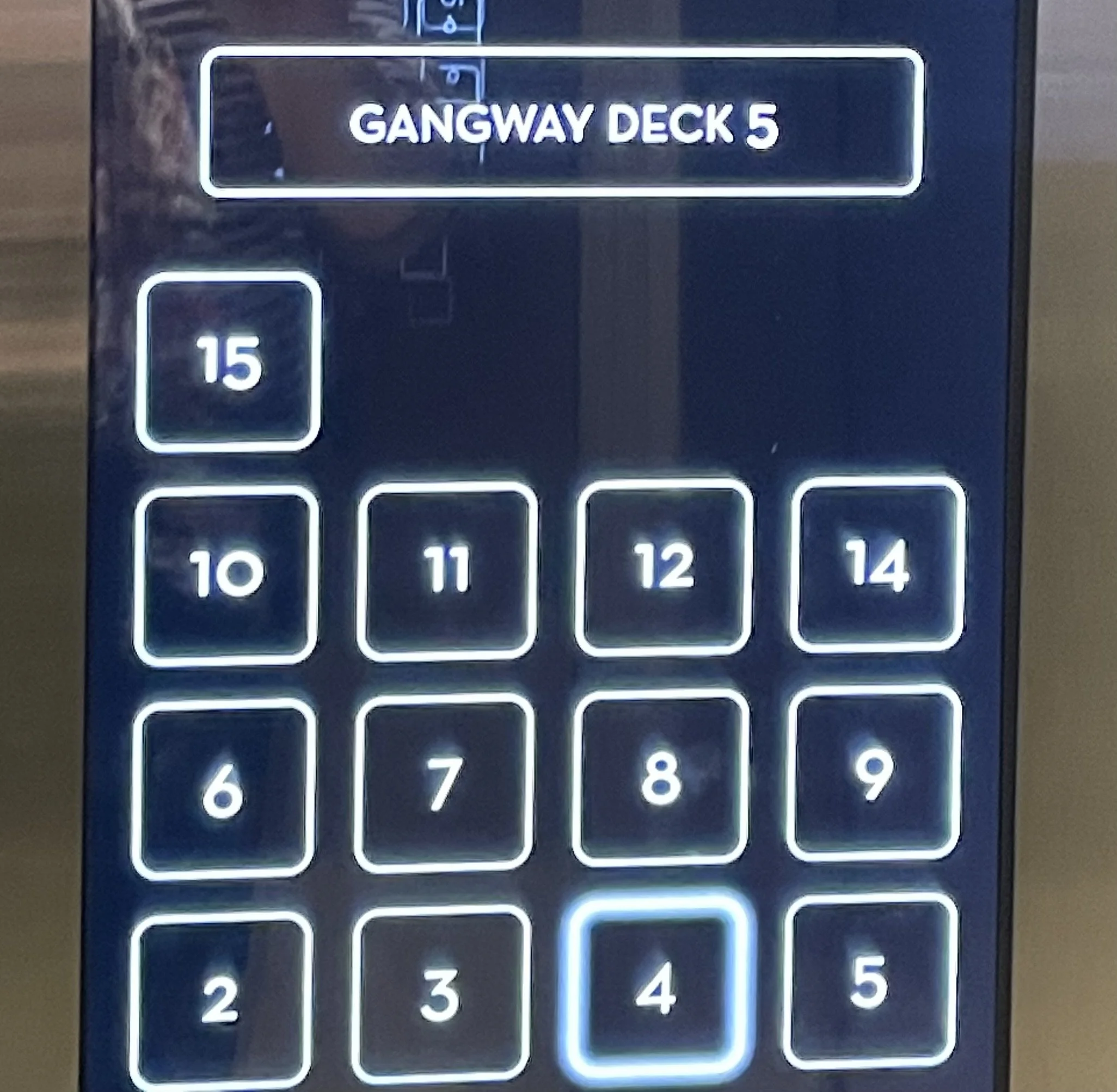
Wondering how to get to Deck 13 on your cruise ship? You may not be able to as it might not exist.
If you look at the deck plans on many ships or the display on the elevators/lifts, you might notice something strange: there’s often no Deck 13.
This isn’t a typo. Many ships skip the number 13 because of superstition. Some passengers feel uneasy, and ship designers prefer to avoid the hassle of anxious guests asking about it.
Even on modern ships, you’ll often see the numbering jump from Deck 12 to Deck 14. It’s one of those small, quirky details that make cruising feel like its own little world.
Frequently Asked Questions

Here is a round up of relevant FAQ for this article.
Are cruise ships designed to reduce seasickness?
Yes. Cruise ships use stabilisers, strategic cabin placement and visual design elements such as patterned carpets to help reduce motion sickness.
Can cruise ships track passengers?
Cruise ships don’t use GPS tracking on individuals, but cruise cards record boarding, disembarkation and venue entry for safety and security purposes.
Why do cruise ship corridors all look the same?
Uniform corridors help crew navigation, maintain fire zones and ensure efficient emergency response throughout the ship.
Do cruise ships sailing from US ports have morgues onboard?
Yes. All ocean-going cruise ships, including those sailing from US ports, are required under international maritime regulations to carry a morgue onboard.
Why are crew areas hidden on cruise ships?
Crew-only corridors and staircases allow staff to move quickly and efficiently while keeping guest areas calm, organised and uncluttered.
Why do most cruise ships skip Deck 13?
Many cruise ships skip numbering a Deck 13 because of superstition. Designers prefer to avoid making passengers feel uneasy, so the decks go from 12 to 14.
Author
Kathy Taylor is a cruise travel journalist and the founder of Cruise Lowdown, an independent online magazine dedicated to modern cruising. She has sailed extensively on ocean and expedition ships and regularly writes about cruise trends, ships, destinations, and onboard experiences. Kathy is based in London and contributes to Sail Away Magazine.