
What to Pack for an Arctic Cruise: The Ultimate Expedition Packing List
I was recently invited on two Arctic expeditions with HX Expeditions - Svalbard and Arctic Norway - and I had to kit myself out from scratch. Here’s what I packed following extensive research, plus a couple of items I took on impulse, which you won’t find on any other packing list, but which proved invaluable.
Download the full Arctic cruise packing list as a printable PDF.
Printable • Mobile-friendly • Free
Packing for an Arctic expedition cruise is very different from packing for a typical holiday at sea. Instead of evening wear and beach bags, you’ll be preparing for Zodiac landings, changeable weather, and wildlife encounters in one of the most remote regions on Earth.
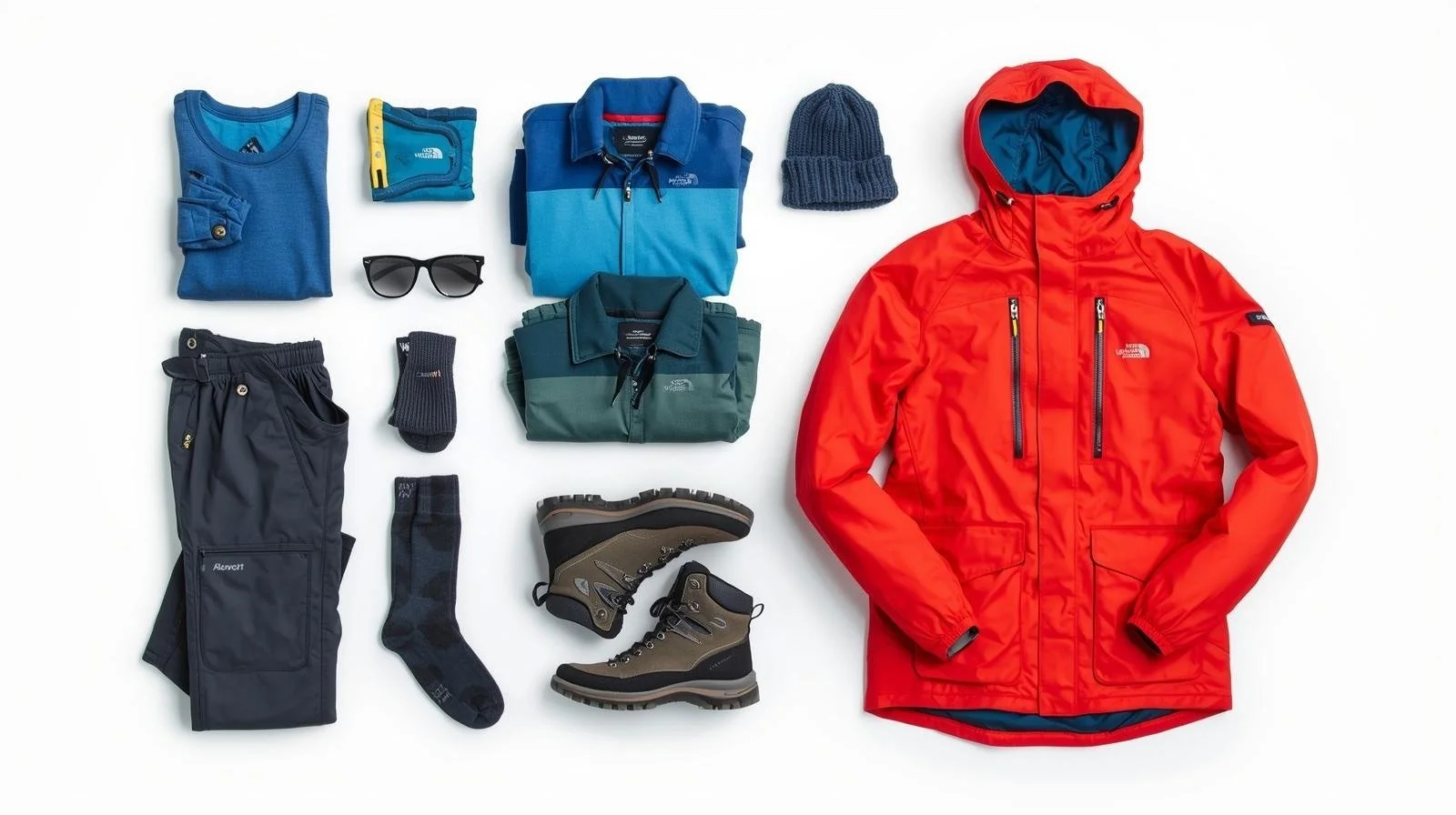
Suggested packing for your Arctic expedition cruise
Arctic Cruise Packing: Quick Checklist
When packing for an Arctic expedition cruise, bring warm layered clothing, waterproof outerwear, insulated gloves, sturdy footwear, and essential gear such as binoculars and a waterproof backpack. Weather conditions can change quickly in Arctic regions, so layering and waterproof protection are essential.
Essential Arctic Cruise Packing Checklist
Clothing
• Thermal base layers
• Fleece or wool mid layers
• Waterproof jacket
• Waterproof trousers
• Wool socks
• Warm hat
• Insulated gloves
Footwear
• Walking shoes
• Comfortable onboard shoes
• Thick socks
Gear
• Waterproof backpack
• Dry bag
• Binoculars
• Camera with zoom lens
Extras
• Sunglasses
• Sunscreen
• Lip balm
• Power adapter
• Eye mask (for the midnight sun)
💡 Extra Cruise Lowdown tip:
This Arctic cruise packing list works for expedition sailings with HX Expeditions, Lindblad Expeditions, Quark and other polar cruise operators.
Arctic conditions can change quickly, and packing smart layers is key to staying warm and comfortable. If you’re sailing with HX Expeditions, as we were, some expedition essentials are provided, including a complimentary wind- and water-resistant expedition jacket and loaned muck boots for shore landings. If you are sailing with another company, check their inclusions.
Know Before You Go - The Arctic at a Glance
Cruise Season:
May to September (milder conditions, Midnight Sun)
Typical Temperatures:
Seasonal temperatures range between -5°C to 10°C – can feel colder with wind chill.
What is the Weather Like on an Arctic Cruise?
Changeable – expect wind, rain, and occasional snow, even in summer.
Terrain:
Glaciers, tundra (stark landscape that is frozen for much of the year), sea ice, fjords and rugged coastlines.
Landings by Zodiac (a rigid motorised dinghy) often involve wet and uneven terrain
Wildlife Highlights:
🐻 Polar bears
🐋 Whales
🦭 Walruses
🦊 Arctic foxes
🦌 Reindeer
🐧 Puffins, guillemots, and seabirds galore
Top Expedition Destinations:
Svalbard (Norway) – polar bears & glaciers
Greenland – icebergs & Inuit culture
Canadian Arctic – indigenous heritage & remote wilderness
Franz Josef Land – Russia’s wild frontier
Iceland - Although just outside of the Arctic Circle
Weight Limits
Check the cruise and airline’s luggage weight limits to avoid excess fees - expedition gear can be bulky. It is also worth checking where your empty suitcases or bags will be stored, to ensure that you will have room in your cabin.
When embarking on an expedition cruise that takes you to destinations with extreme weather conditions, such as the polar regions, it’s crucial to pack appropriately to stay comfortable and safe. Here’s a detailed guide on what clothing to bring.
The Arctic Layering System
The most effective way to dress for Arctic conditions is the three-layer system, which allows you to adapt quickly to changing temperatures.
Base Layer (Moisture Control)
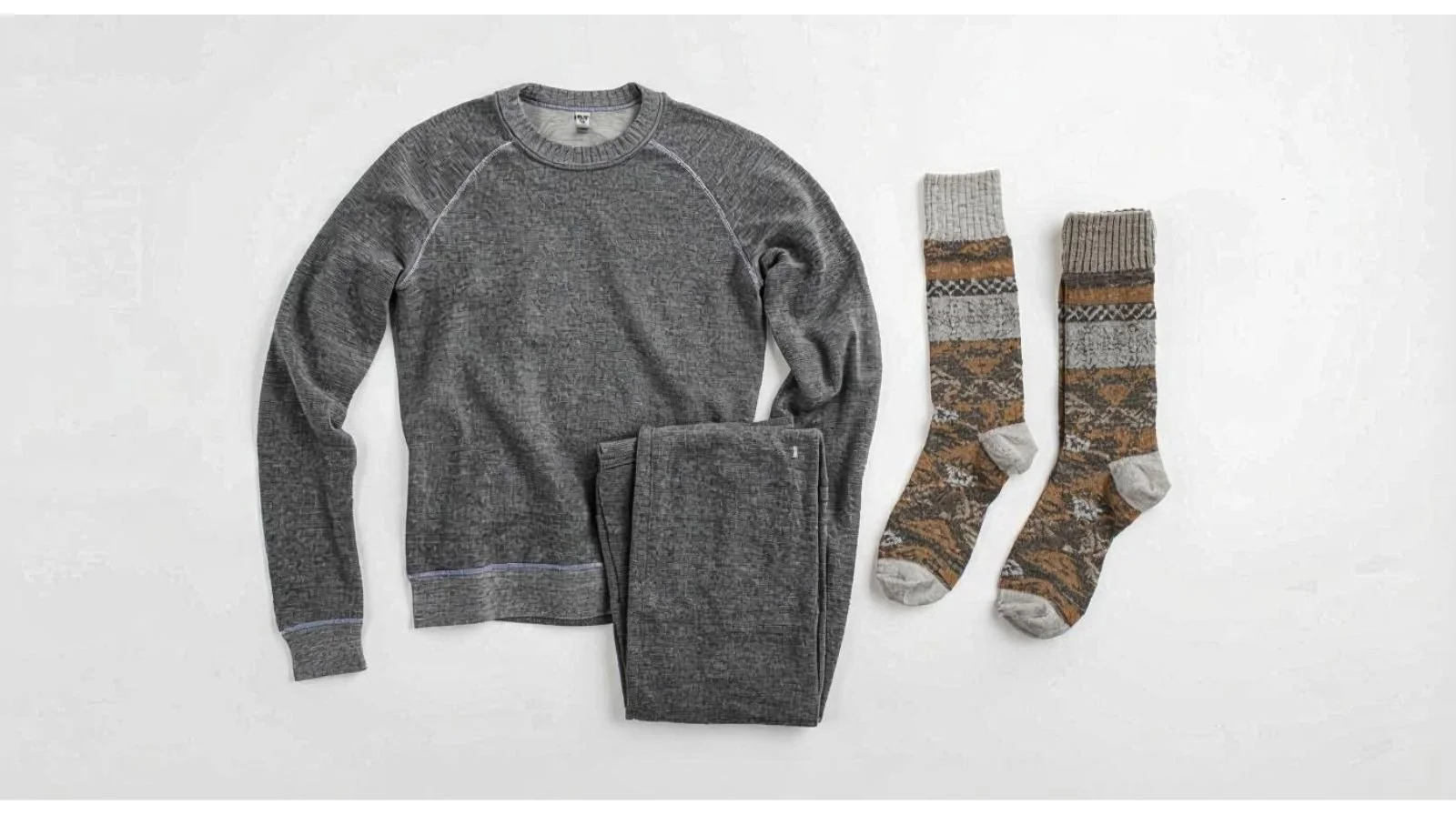
A moisture-wicking base layer is essential.
Your base layer sits directly against your skin annd is the most important layer. It should wick (draw off) moisture away from your body.
Long-Sleeve Tops and Leggings (Thermal Underwear) - Opt for snug-fitting base layers that trap heat close to your body. Choose moisture-wicking materials like merino wool or synthetic fabrics to keep you warm and dry. Cotton is unsuitable as it will soak up sweat and will stay damp.
I personally wore sports bras which are designed to keep you cool and dry, and regular pants as I couldn’t find any specific merino wool undies as such. They were fine to wear under the base layers themselves.
I chose crew neck merino wool tops, but you can get polo (turtle) necks and v-neck versions if you prefer. Most come in black but you can get colours and even pattered versions. No
Pack:
Merino wool thermal tops (ideal)
Thermal or Heatgen™ (M&S) base layers
Thermal leggings or long johns
Lightweight long-sleeve shirts
Avoid cotton as it retains moisture and can make you feel colder as it soaks up sweat.
Recommended:
2–3 sets for a typical expedition cruise - one on, one drying.
💡Hang your base layer to dry as soon as you return from your activity.
Mid Layer (Insulation)
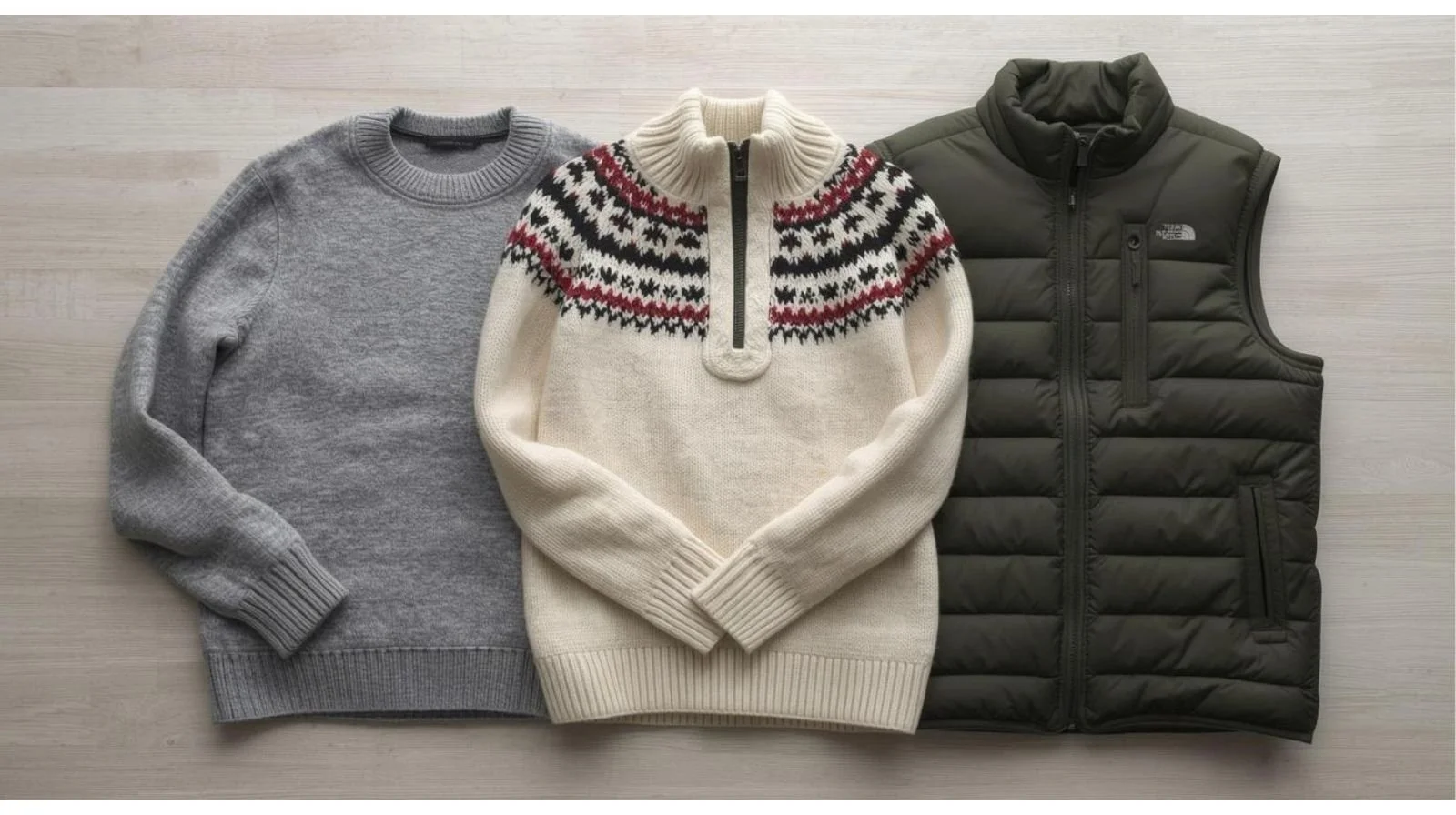
Layering up is the best way to keep warm - a fleece, jumper and/or gilet is ideal.
The mid layer traps heat and keeps you warm. However you don’t want to feel too hot.
Fleece Jackets or micro-fleece sweaters - These provide insulation and warmth without adding too much bulk. I took a selection of v-neck micro-fleeces, half-zip fleeces and some Fleece-lined hoodies.
Insulated Gilets (Vests) - You can add an extra optional layer of warmth for your core while allowing freedom of movement by including a gilet.
Teddy Fleece - I topped my mid-layers with a thick zipped teddy fleece hoody which kept me beautifully snug and warm.
Pack:
Fleece tops
Fleece zipped hoodies
Wool jumpers
Lightweight insulated jacket or gilet
A mid-weight fleece is one of the most useful pieces of clothing for Arctic travel. It traps heat but can easily be removed it you get too warm.
I often added an extra thicker layer between the mid- and outer layers - either a thicker teddy fleece or a quilted shell jacket.
Outer Layer (Weather Protection)

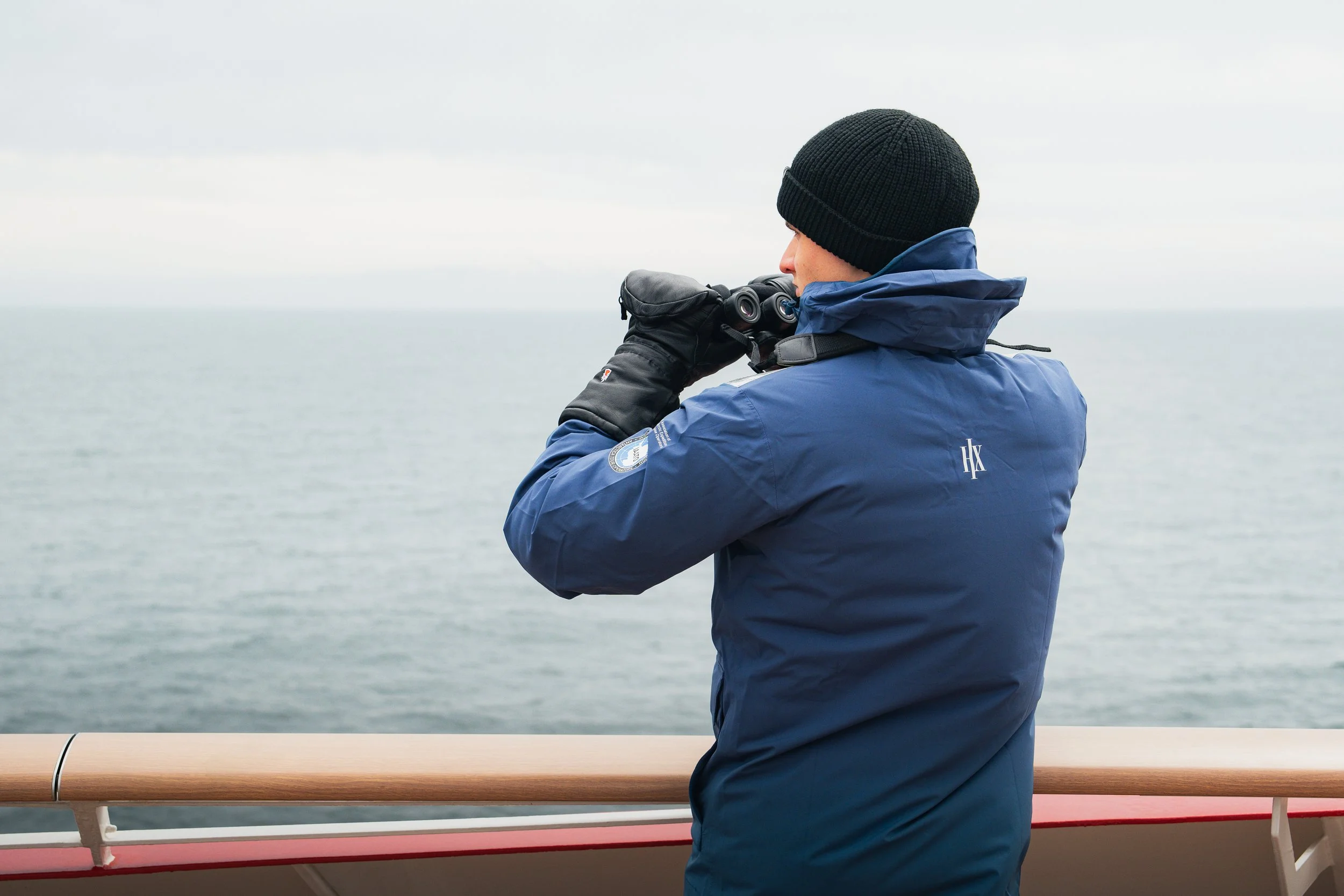
Your outer layer protects you from wind, rain and sea spray. This is essential on an expedition cruise.
Waterproof and Windproof Jacket - A high-quality parka, or insulated jacket with a hood to protect against wind, rain, and snow. Provided by HX Expeditions and many other expedition providers.
Waterproof Trousers - Essential for keeping dry in wet conditions, look for trousers with good breathability to prevent overheating. Another option is waterproof over-trousers which can be pulled on over another layer.
You’ll typically wear:
A waterproof/windproof jacket (often provided onboard)
Waterproof trousers
Waterproof insulated padded jacket (optional)
Waterproof trousers are particularly important during Zodiac rides where spray and splashes are common. I invested in a pair of fleece lined waterproof hiking trousers from brand 33000ft on Amazon (other brands available). However if you don’t have any or want to avoid additional major expense, you can bring pull on waterproof shell trousers which you can purchase cheaply on Amazon.
Essential Arctic Clothing
Small items can make a big difference to your comfort in cold environments.
Pack:
Wool or thermal socks (3–5 pairs)
Thinner thermal “under” socks
Waterproof gloves or insulated mittens
Thin liner gloves for photography
Warm hat covering the ears (we both chose fur-lined trapper style hats)
Neck gaiter or buff
Optional hand/feet warmers
Sunglasses - ideally Polarised to avoid glare from the snow.
Hands and feet lose heat quickly, so keeping them warm is essential during wildlife watching and shore excursions.
Footwear
For most sailings, rubber expedition boots are provided for Zodiac landings.
You should still bring:
Comfortable trainers or deck shoes for onboard*
Lightweight walking shoes
Thick wool socks
Non-slip footwear is important as ship decks can be wet and slippery. We also took fur-lined snow boots and snow cleats (YakTrax Pro) as we were having a pre-cruise stay in Tromsø. Once onboard they stayed in our case until we disembarked as we mainly used the provided Muck Boots and provided snow studs for landings.
If you have the opportunity to do a polar plunge from the beach, you might find water shoes useful as the shore can be very rocky.
*I found my Ugg ankle boots perfect for walking around the ship.
Daypacks and Expedition Essentials
During landings you’ll want a small bag to carry extra layers and gear.
Recommended items:
Small Waterproof backpack or daypack (this one was just right and fairly cheap).
Dry bag for electronics
Reusable water bottle (provided on HX Expeditions).
Trekking poles (usually provided).
I also bought a floating case for my I-phone - it’s on a lanyard with a view pane for the camera. It’s all very well having a waterproof phone or phone case, but that won’t be of use if you drop it over the side of a zodiac and it sinks to the bottom of the ocean.
The waterproof backpack is useful for carrying an extra layer and your water bottle.
What The Cruise Line Provides
What Gear Does HX Expeditions Provide?
When sailing with HX Expeditions, some expedition gear is included, depending on your itinerary:
Expedition jacket (yours to keep)
Rubber muck boots for shore landings
Trekking poles (on some itineraries)
Life jackets for Zodiac excursions
Snow studs or Crampons
Snowshoes (if activity offered)
Thermal and rubber/neoprene suit for Kayaking
Eco-friendly drinking bottle.
Knowing which gear is provided, means you don’t need to overpack bulky outerwear. If travelling with a different provider, check what kit they provide to avoid duplication. Most provide at least a waterproof parka and loan boots, trekking poles, snowshoes, and waterproof kayaking suits.
Photography and Wildlife Gear
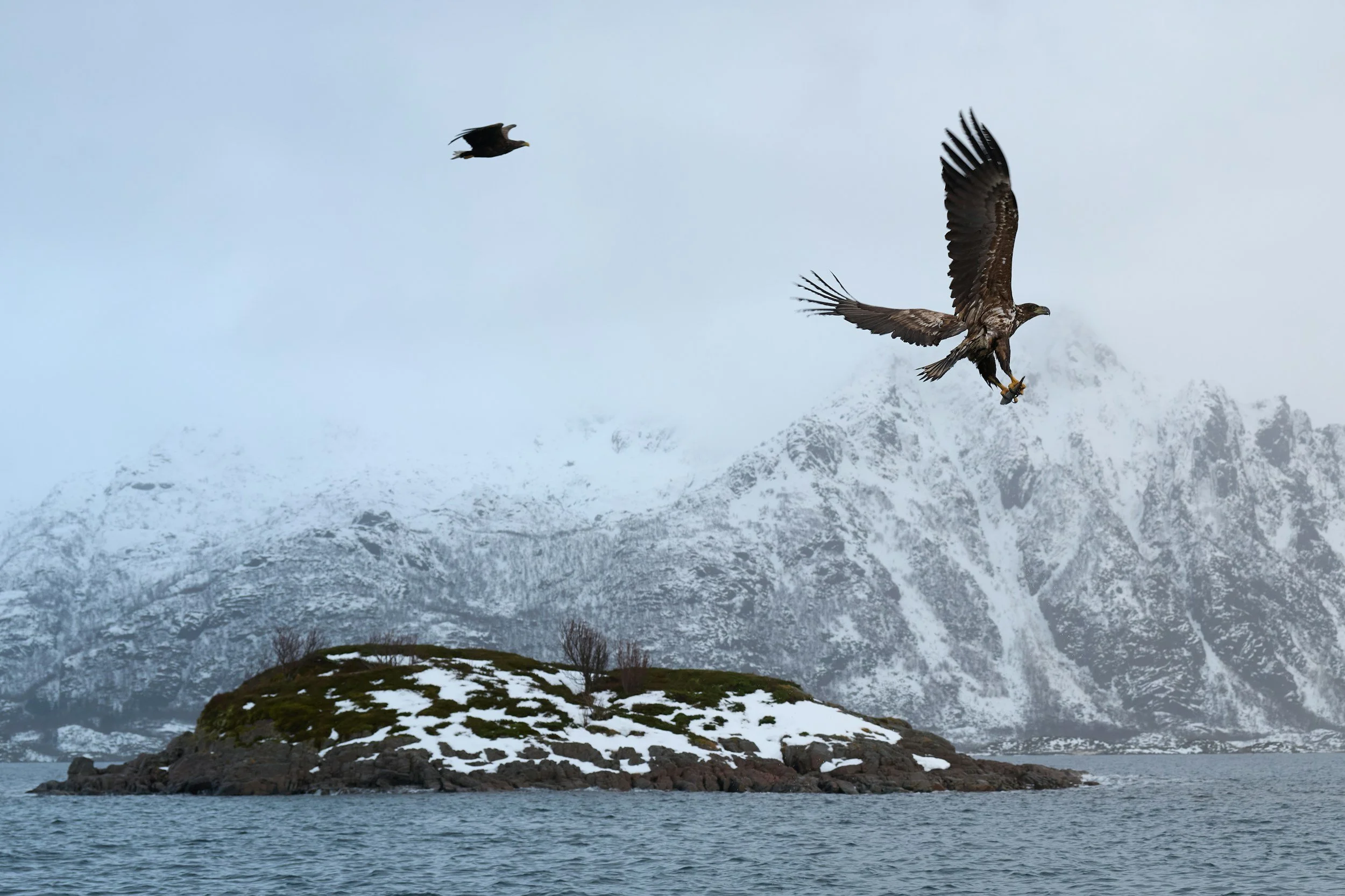
Pack your camera, phone and binoculars to make the most of wildlife spotting
Wildlife is one of the main highlights of an Arctic expedition. Depending on your itinerary you might see polar bears, walrus, whales and seabirds.
Bring:
Camera with zoom lens (or phone with good camera)
Spare batteries (cold drains them quickly)
Extra memory cards
Power bank
Chargers
Binoculars
Binoculars are invaluable when wildlife appears suddenly from the deck - not so much if sailing through polar night..
Health, Skincare and Practical Extras
The Arctic environment can be surprisingly tough on skin.
Don’t forget:
SPF 30+ sunscreen
Lip balm with UV protection
Moisturiser
Sunglasses (glare from snow and water can be intense)
Seasickness tablets (we didn’t need them but better to be prepared)
Personal medications
Even in cold temperatures, sunburn is possible due to reflection from ice and snow.
What to Wear Onboard
Life on expedition ships is relaxed and informal - even at mealtimes.
Pack:
Casual clothing
Comfortable joggers, trousers or jeans
Jumpers or fleece tops
Gym clothes if you plan to use the fitness room
Swimwear for hot tubs, saunas or that polar plunge.
Formalwear isn’t necessary on expedition cruises - no heels or bling required. I found it quite liberating to pare back my makeup bag to a few essentials.
Things People Often Forget
A few small items can make your expedition more comfortable.
Consider bringing:
Eye mask (for the midnight sun)
Travel adapter
Reusable water bottle
Dry bag
Laundry detergent for sink washing
Camera cleaning cloths
Binocular harness
These are the kinds of items experienced expedition travellers rarely leave behind.
Two Random items of Clothing I was Glad I had
1️⃣ North Face Women’s Thermoball V Traction Mules
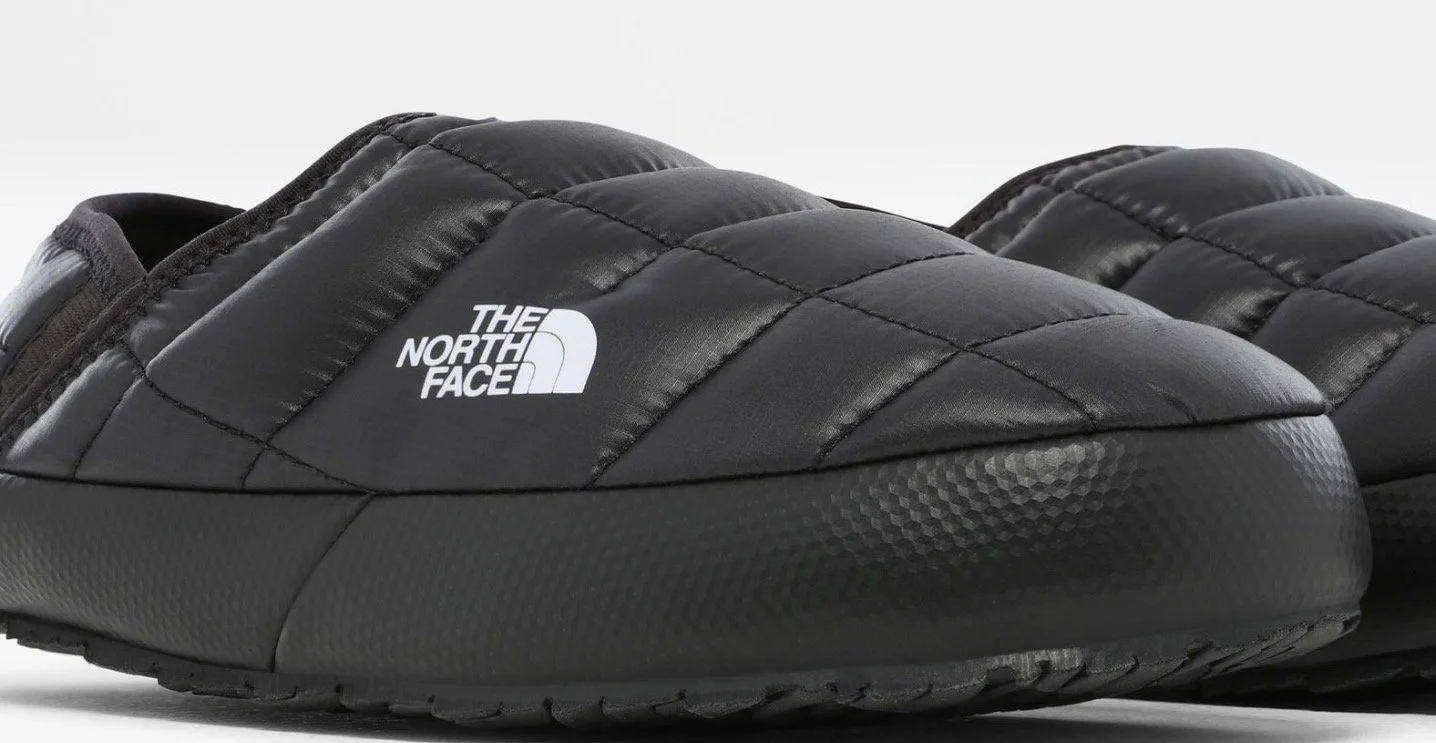
Image: The North Face
(available in multiple stores including Next, John Lewis and on Amazon).
When I was packing for my first expedition I found a recommendation for these shoes and they were a god-send. They have a cosy thermal fleece lining, water resistant upper and waterproof high traction rubber outsoles. I wore them to walk about the ship and they were also perfect for a quick dash up on deck for wildlife and aurora spotting.
2️⃣ Freespirit Aquarobe Pro
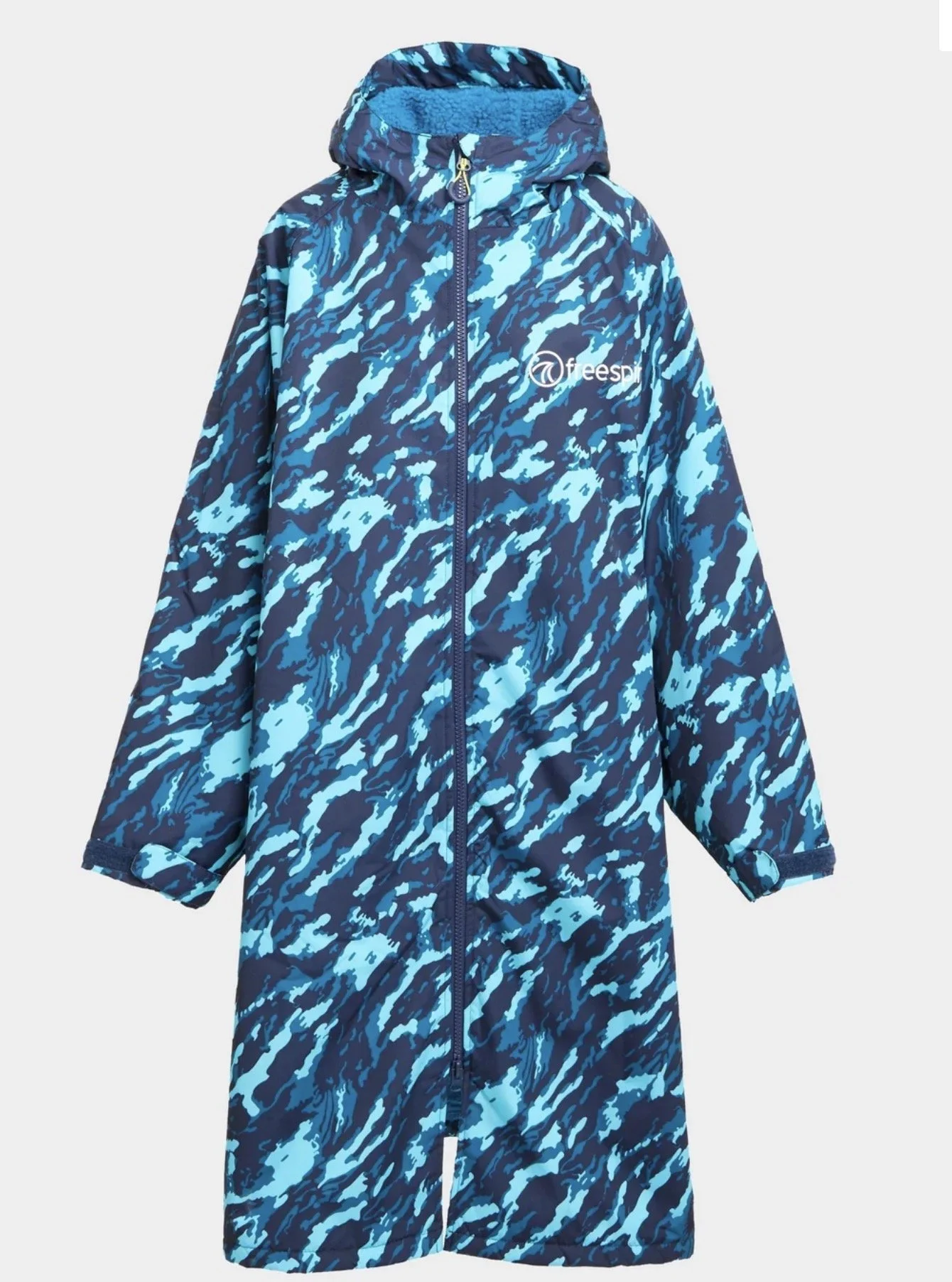
Take your dry robe or equivalent for a quick coverup. Image: Freespirit aqua robe
If you own a Dry Robe or other changing robe equivalent, pack it (or if too bulky - wear it to the airport). You can thank me later.
It takes ages to layer up for your outdoor adventures, and you can’t wait to disrobe once back on the warm ship, So when an announcement comes over the tannoy alerting you to a wildlife spotting or northern lights appearance whilst you’re in the bar, you have a choice - layer up again and miss it, freeze, or grab this long, cosy fleece-lined, wind/waterproof coat.as a plus, you will be glad of it if you do a polar plunge - and your fellow travellers will be extremely envious.
Tips from our Expedition
Pack a couple of t-shirts or thinner shirts as the ship is kept quite warm.
If you wear varifocal spectacles, consider taking single lens glasses. It can be quite tricky determining paths through the snow when everything is white and your field of vision keeps changing - that could of course just have been my issue. Regardless, take spare glasses in case you break your favourite pair.
Choose your hat(s) carefully. Hats with a peak can fly off on the Zodiacs and beanies don’t cover your ears. Trapper-style hats worked well for us - they fasten under the chin and the ear flaps keep you nice and warm.
Download the Arctic Cruise Packing Checklist
Planning your expedition with HX Expeditions?
Download the Cruise Lowdown Arctic Packing Checklist so you don’t forget any essentials before your trip.
Printable • Mobile-friendly • Free
The Lowdown
Packing for an Arctic expedition cruise with HX Expeditions is all about layers, waterproof protection and practical clothing.
You don’t need formalwear or large suitcases full of outfits. Instead, focus on versatile layers that keep you warm and dry during Zodiac landings and wildlife watching.
Get your packing right and you’ll be free to focus on what really matters: towering glaciers, Arctic wildlife and some of the most extraordinary landscapes on Earth.
You Might Also Like:
Beginners Guide to Expedition Cruising
FAQ: Packing for an Arctic Expedition Cruise
What clothes should I pack for an Arctic cruise?
Bring thermal base layers, fleece or wool mid layers, and waterproof outerwear. Layering is the best way to stay comfortable in changing Arctic conditions.
Do HX Expeditions provide jackets and boots?
Yes. Expedition jackets are provided for guests and rubber boots are usually available to borrow for Zodiac landings.
How cold is the Arctic in summer?
Summer temperatures in Arctic destinations such as Svalbard typically range between 0°C and 7°C, although wind chill can make it feel colder.
Do I need formal clothes for an expedition cruise?
No. Expedition cruises are very informal and casual clothing is perfectly acceptable for dinner and evenings onboard.
Should I bring binoculars on an Arctic cruise?
Yes. Binoculars are very useful for spotting wildlife such as whales, seals and seabirds from the ship or during landings.