
Be Ready - The Common Sense Guide to Prepping for UK Non-Preppers
The UK "Be Prepared" Government Campaign: A Common-Sense Guide to Household Readiness
When the UK Government launched its official "Be Ready" and "Be Prepared" campaign, it left millions asking an immediate question: Why is a modern nation suddenly urging its citizens to prepare? The answer does not lie in a sudden collapse of society, or imminent WWIII, but in our fragile modern, digital infrastructure and climate vulnerabilities. As climate change shifts weather patterns across the UK - bringing intense flash floods and severe seasonal heat - our older networks face unprecedented operational strain. Simultaneously, systemic shocks like global fuel crises, diesel shortages, and cloud-dependent banking outages show how easily our everyday "just-in-time" supply chains can fracture.
If you are wondering how to prepare for a power cut, what items belong in an emergency household grab bag, or how to navigate water shortages, building a basic safety net is simpler than you think. True disaster readiness isn’t a luxury reserved for high earners. Whether your goal is creating a low-income emergency store cupboard using budget-tier staples from Aldi, or curating a premium, off-grid pantry with luxury long-life provisions from M&S or Waitrose, having a plan ensures you aren't left stranded. This common-sense guide breaks down exactly why we need to build self-reliance right now, how to secure alternative no-cook meals, and the free digital steps you can take today to protect your family when the grid goes dark.
How to get yourselves ready for an Emergency - Your Common Sense Guide
I was unaware until this week that there is a huge group of people known as “preppers” who have been quietly preparing - hence their collective noun - for disasters (and even the end of the world) for years. They may be sitting back smugly now with their military food packs and water purification tablets, and a “we told you so” smirk, but whilst we can tap into some of their expertise, we aren’t ready just yet to hunker in a bunker despite the media storm.
This practical guide is written by someone who has experienced much of this back in the day (1960s/1970s) and survived. The aim is to reassure you and put things into perspective - or basically to tell you to “Keep Calm and Carry on”.
When I was a child it was during a time of three-day weeks, miners’ strikes and a global oil crisis. This caused nightly “blackouts” with power being switched off for hours to save energy resulting in travel disruptions, cold, store-cupboard meals and shortages - candles, paraffin heaters, and torch batteries completely sold out nationwide. Somethings never change!
We experienced freezing classrooms and total darkness during teaching hours, with kids sitting in their coats. Hospitals experienced sudden grid failures, disabled tech, and halted radiotherapy and operations. We were even banned from driving on Sundays (if you were lucky to have a car that is), and came close to petrol rationing.
The differences back then compared with now is that seasons were predictable, homes were mainly heated by open fires so we could at least keep warm; shopping was done weekly (apart from fresh produce) and there were always tins in the cupboard. There were no automated systems or credit cards and most people were paid in cash which they used to shop.
I’m telling you this to put our present situation into perspective. The key differences between coping then then and now are really the result of modern day problems such as climate change and a digital, cashless society.
Be Ready - Be Prepared
The UK Government have recently launched their “Be Ready” campaign with information on how to prepare for an emergency, and whilst it contains sensible advice, sadly it appears to also have brought out the doomsayers and conspiracists en mass on social media, causing unnecessary anxiety and drama.

Be Prepared!
It’s understandable that some will be cynical - especially after the trauma of lockdown - or perhaps because it goes against the grain to follow government recommendations if their politics don’t align. But I think the key issue is that the Government hasn’t given a real explanation for the apparent urgency, nor have they been specific about what the “emergency” might be. This is understandable as there are many scenarios - some that might affect everyone and others affecting fewer peoples, so generic advice is probably the most sensible approach.
So let’s look at known issues that might cause an emergency.
The "Why Now?" of Getting Prepared
When the UK government launched the "Be Ready" campaign, it sparked a major question for many: We live in a modern, developed nation - why on earth would we suddenly need to stockpile food, keep cash in the house, or pack an emergency bag?
My husband always says “we don’t know what we don’t know” (rare insightful words of wisdom from him), but it’s true. So rather than expending energy on speculation, let’s concentrate on what we DO know, and use our common sense to interpret the reasons for what we are being asked to do.
We have all seen recent news footage of:
Flooding
Wild Fires
Diesel shortages
Energy disruption
Cyber hacking
These seem to be the most likely emergencies we may continue to face over the coming months.
The Reality Check - Dispelling the myths
We aren’t (as yet) at war, and society isn’t about to collapse, but our modern world does rely on "just-in-time" systems and an intensely fragile web of digital and energy dependencies. We no longer store weeks of food in supermarket basements; it arrives on lorries hours before it hits the shelves. We don't use physical cash because digital banking is convenient.
Our shopping habits have also changed - many people shop on a daily basis rather than weekly or monthly - and we have also become a virtually cashless society, preferring to use our phones or contactless cards.
Add to this the evidence of climate change increasing floods and wildfires, dodgy AI hacking and the impact of wider political issues on our everyday lives, and you can see why it might be a good idea to take precautions.
We are already seeing how minor cracks in global oil supplies, cyber infrastructure, and unpredictable weather events create a domino effect that temporarily breaks these invisible systems. Here is exactly why these specific preparations are no longer dynamic paranoia, but common-sense risk management for the world we live in right now.
Quick System Failures Matrix
| System at Risk | What Causes It to Fail | The Real-World Result | The Common-Sense Fix |
|---|---|---|---|
| Supermarket Logistics | Blocked roads, extreme weather, or panic buying. | Empty shelves within 6 hours. | 72-hour to 2-week rolling cupboard stock. |
| Domestic Utilities | Weather damage or grid failure cuts boiler gas and/or electricity. | No heating, no hot food, no hot water. | Camping stove, thermals and blankets. |
| HGV & Distribution Networks | Global oil shocks, diesel shortages, and refinery maintenance. | Mass delivery delays, transport halts, and food inflation. | Keep vehicle tank above 25% full; reduce travel dependence. |
| Digital Banking & Payments | Cyber vulnerabilities, network flaws, or localised cloud outages. | Cards and phone payments decline; ATMs go offline. | Keep small cash notes and coins at home. |
| Home Security / Shelter | Sudden flash floods, infrastructure failures, or wildfires. | 10-minute emergency evacuation orders. | A pre-packed Go-Bag by the front door. |
Why Stockpile Food and Water
Supermarkets operate on incredibly tight logistics. If a severe winter storm or flash flooding closes a major motorway artery (like the M1 or M6) for just 24 to 48 hours, deliveries stop. Compounding this, the UK’s food supply chains are increasingly vulnerable to external shocks - and human nature kicks in: at the first sign of trouble, panic buying empties shelves within hours (Government take heed - you haven’t exactly helped this).
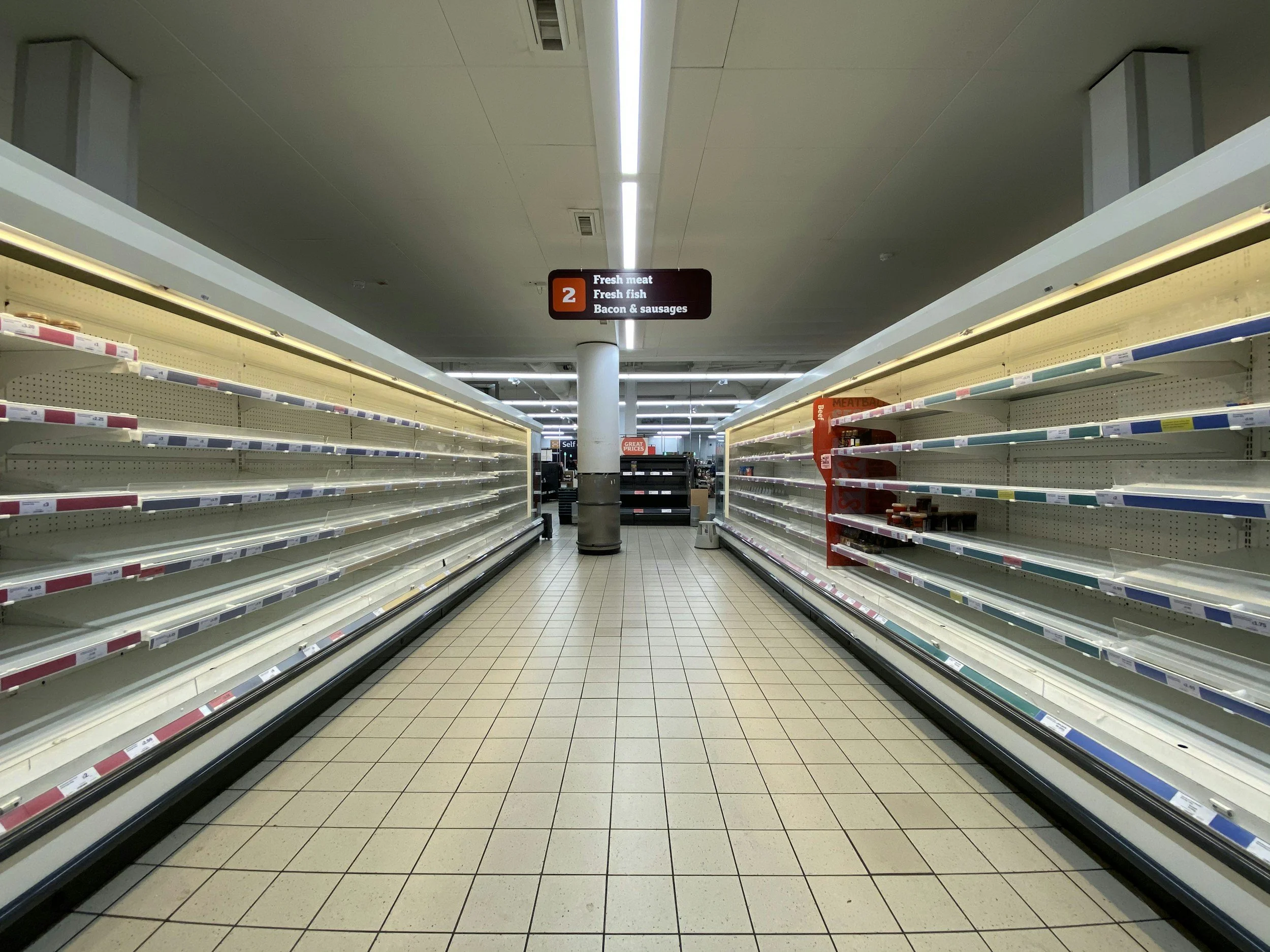
Why We Are Impacted: We aren't preparing for a permanent food shortage; we are preparing for a temporary localised distribution failure, or an unprecedented cyber-attack. Such an incident recently targeted internet-connected software in hundreds of French supermarkets, remotely turning up refrigerators and freezers to 50°C (122°F) overnight, which spoiled millions of euros worth of food and sparked localised store fires.
The Prep Logic: The government officially advises building a rolling 72-hour to two-week supply of shelf-stable food that your family actually eats (tinned meats, beans, pasta, rice). If the shops are stripped bare or it is unsafe to drive, you can easily bypass the chaos. Don't forget a minimum of 9 litres of bottled water per person (3 litres per day) in case water mains fracture or become contaminated during floods. Extra is needed for washing/flushing the loo etc.
Why Not Just Use Tap Water?
While tap water is your primary source of hydration day-to-day, relying on it entirely for emergency preparedness is a significant risk.
Here is why you should always store bottled water even if your taps are currently working:
Water Mains Contamination
The Reality: During severe localised flash flooding or water main fractures, sewage, agricultural runoff, or chemical pollutants can breach the clean water grid.
The Impact: When this happens, water companies issue a "Boil Water Notice" or declare the tap water entirely unsafe for human consumption. If your electricity is also out due to the same storm, you will have no way to boil that tap water to make it safe.
Sudden Pressure and Grid Failures
The Reality: Water companies rely on electrical pumping stations to push water through the network and up into homes, particularly in high-rise flats or hilly areas.
The Impact: A widespread power grid failure doesn't just put you in the dark; it turns off the water pumps. Your taps will quickly lose pressure and run completely dry, leaving you without a single drop of flowing water.
Rapid Evacuation Scenarios
The Reality: If emergency services knock on your door giving you 10 minutes to evacuate due to a local gas leak or an approaching wildfire, you cannot take your kitchen tap with you.
The Impact: Having pre-packaged, portable bottles of water stored in or next to your grab bag means you can walk out the door instantly with clean, sealed hydration ready for travel.
Spontaneous Cloudiness or Treatment Crises
The Reality: Technical faults at water treatment plant - such as chemical imbalances or sediment overload - can make local tap water run brown, white, or highly chlorinated without warning.
The Impact: It can take several days for water companies to flush the system and deploy emergency water tankers to your street. Bottled water bridges that dangerous gap seamlessly.
| Water Source | The Vulnerability | The Real-World Result | The Common-Sense Fix |
|---|---|---|---|
| Standard Tap Water | Flood pollution, plumbing bursts or pump power cuts. | Taps run completely dry or water becomes unsafe to drink. | Store 3 litres of sealed bottled water per person per day (9 litres pp total). |
| Boiled Tap Water | Requires a functional electricity or gas supply to boil. | Useless if a power cut takes out your hobs and kettles. | Keep a standby manual water treatment option, suitable for the type of contamination involved. |
Why Heating & Cooking Might be Affected
Modern gas boilers do not run on gas alone; they require electricity to power the pumps, digital thermostats, and electronic ignitions. If a storm or grid overload knocks out the local electricity network, your modern gas heating, electric induction hobs, and microwave all die instantly.
Why We Are Impacted: A winter power cut doesn't just leave you in the dark; it rapidly turns your home into a freezing box with no way to boil water for a comforting cuppa or cook a hot meal.
The Prep Logic: You need a secondary, off-grid way to cook and stay warm. A simple, cheap camping stove (used strictly in a well-ventilated area) allows you to boil water and heat tinned food (or wrap up and use the BBQ). Stock up on high-quality thermal clothing, hot water bottles, and thick blankets rather than relying on portable gas heaters, which carry high carbon monoxide risks indoors.
Why Fuel Might be Scarce: the Diesel Crisis & Transport Domino
The UK is highly exposed to global energy shocks. Disruptions like Middle East conflicts affecting the Strait of Hormuz, damage to international refineries, and domestic infrastructure closures have caused severe global diesel shortages. The UK imports over 50% of its diesel fuel, meaning external crises rapidly drive pump prices over £2 per litre and trigger panic buying at petrol stations.
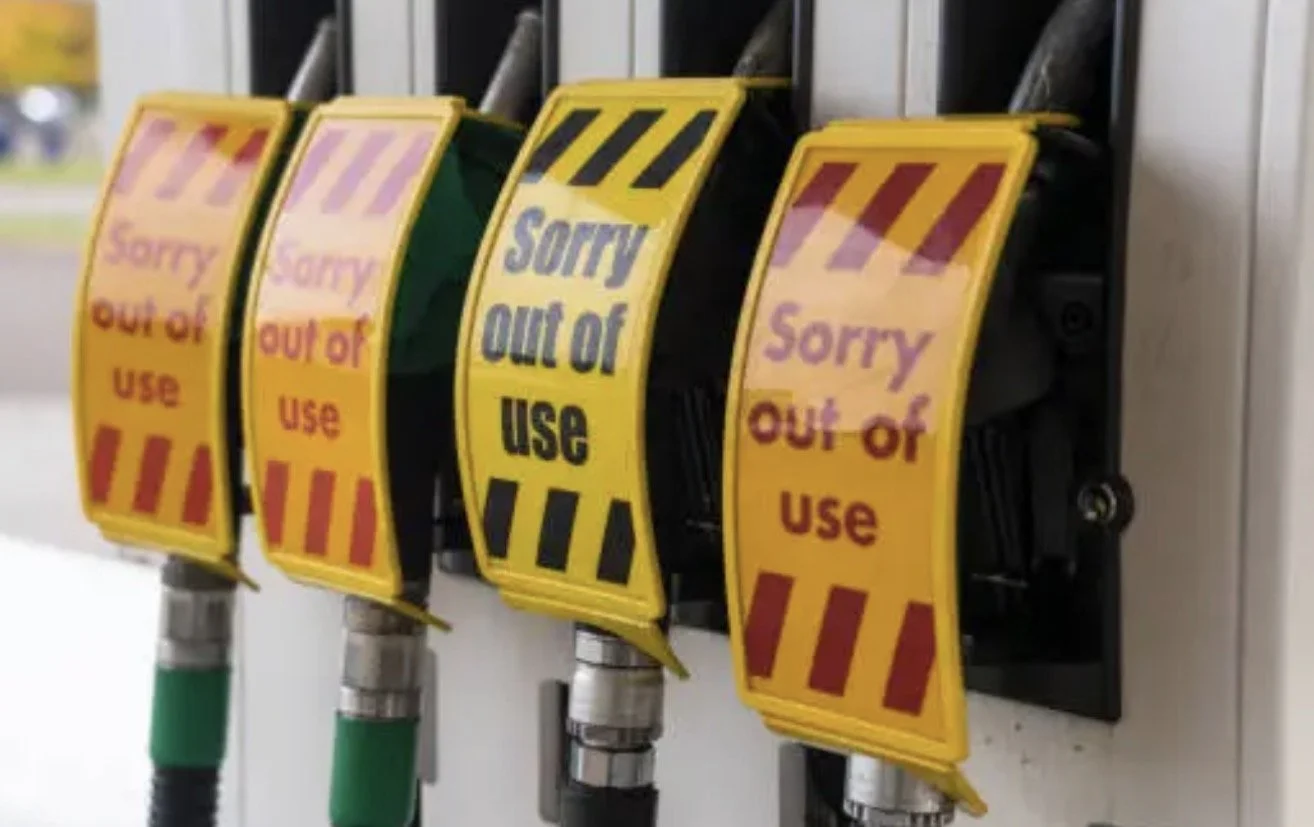
Why We Are Impacted: Diesel is the literal workhorse of the economy. It powers 99% of heavy goods vehicles (HGVs), a quarter of our trains, and the agricultural machinery that harvests our food. A sudden diesel shortage or refinery bottleneck doesn't just mean long queues at the petrol station - it actively delays supermarket deliveries, halts public transport, and causes immediate spikes in food prices.
The Prep Logic: When a fuel crisis hits, driving around trying to find an open forecourt wastes what little fuel you have. Prep means keeping your vehicle’s tank permanently filled above a quarter or half so you are never caught empty, minimising non-essential travel during a fuel crunch, and relying on your stockpiled larder items rather than driving out for food.
Why Keep Cash and Coins? The Digital Vulnerability
As mentioned above, the UK is rapidly becoming a cashless society. However, card machines, Apple Pay, and ATMs all require two things to function: electricity and a stable internet connection.
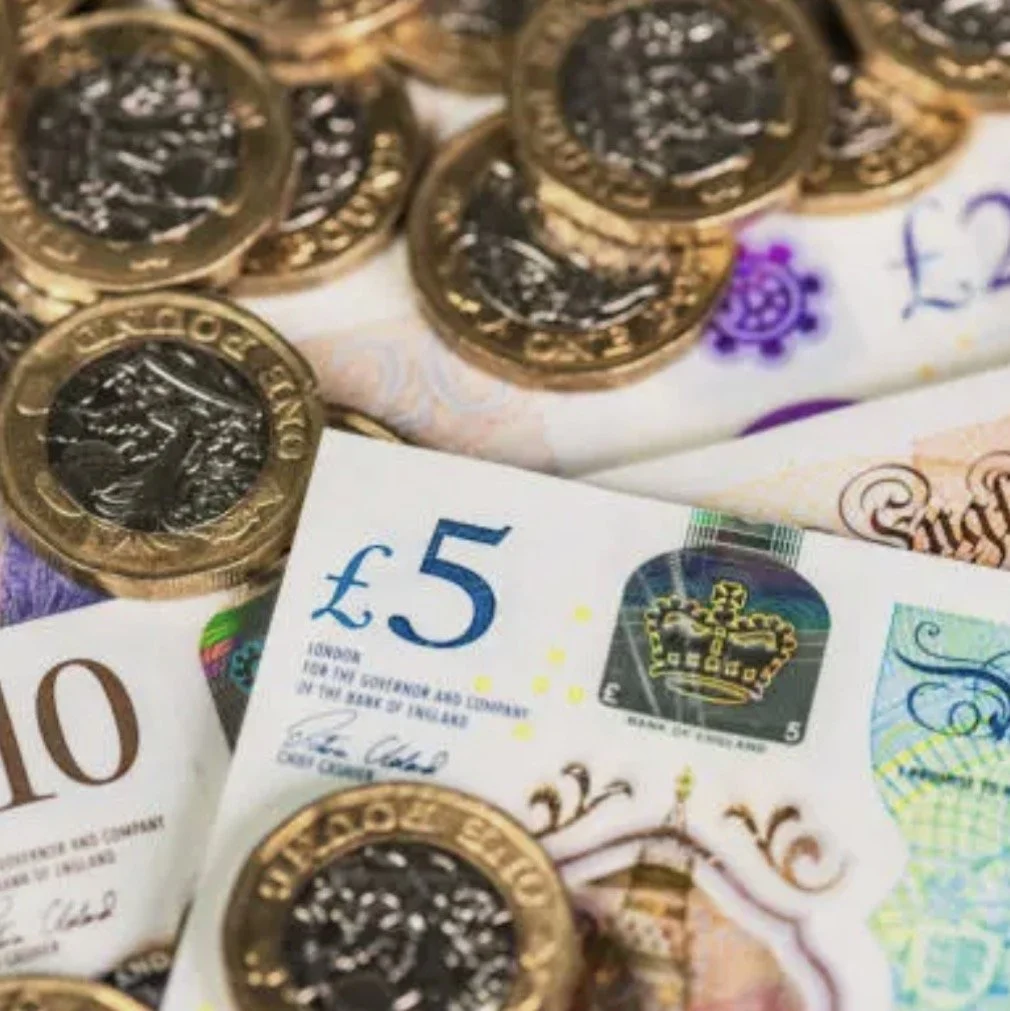
Why We Are Impacted: Recent unprecedented cyber-security vulnerabilities and software issues - such as the massive global PHP programming flaws that forced governments, councils, and services to take their public systems dark overnight - show how easily technology can fracture. If localised flooding drowns telephone exchanges, or a technical fault triggers a cloud-dependent banking outage, the digital banking network logs off. You could have thousands of pounds in your bank account, but if the card terminal at the corner shop is dead, you cannot buy fuel, food, or medicine. Furthermore, automated parking meters or vending machines often reject cards during outages and require exact change in coins.
The Prep Logic: Keep an emergency cash reserve at home, hidden safely in small denominations (£5 and £10 notes) along with a handful of £1 and £2 coins. Shopkeepers during a crisis will gladly take cash even if their registers and card readers are down - even if you have to round up or down if you don’t have the exact amount.
Why The "Go-Bag”? The Reality of Rapid Evacuation
Climate change has made localised disasters faster and more unpredictable. A river bank bursting or a wildfire spreading through dry brush doesn't give you days to prepare; emergency services might knock on your door giving you exactly 10 minutes to leave your home.
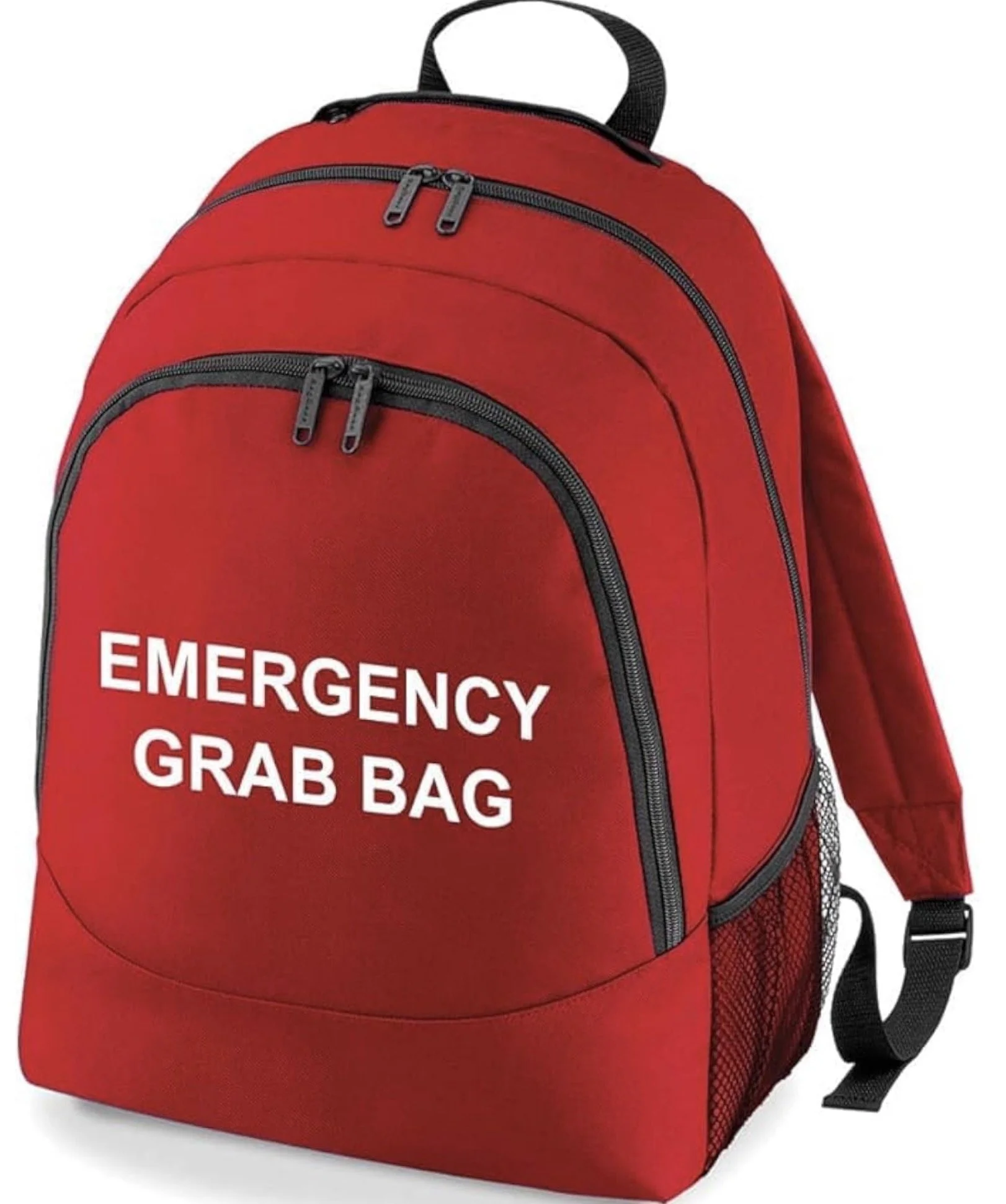
Why We Are Impacted: If you have to evacuate in a panic, you will forget crucial items. Fumbling around in the dark for passports, medication, and chargers wastes life-saving minutes and guarantees you will end up at a rescue centre missing vital necessities.
The Prep Logic: A "Go-Bag" (or Grab Bag) is simply a backpack parked near the door containing your absolute essentials. It should hold copies of vital documents (insurance, IDs), a three-day supply of essential prescription medications, phone chargers, a first-aid kit, a torch, and spare underwear. It ensures that if you lose your home temporarily, you don't lose your identity or your health.
Why is a Grab Bag Needed in Low Risk Areas?
A question I’ve pondered myself is why I would need a grab bag when I live in a London borough at the top of a hill several miles from any river? However, this table provides logical answers to that:
Urban Risks & Non Geographic Risks Summary
| Non-Climate Risk | Real-World Scenario | Grab Bag Benefit |
|---|---|---|
| Domestic Accidents | Gas leaks, street construction damage, or neighbour fires. | Immediate exit with cash, keys, and IDs. |
| Health Crises | Sudden midnight hospital admissions. | Pre-packed medications, chargers, and toiletries. |
| Grid Outages | Localised substation failures or frozen water mains. | Rapid relocation assets to a warm shelter. |
| Administrative Loss | Home water leak ruining paper files. | Centralised, protected copies of vital documents. |
When you don’t live on a flood plain or near a wildfire zone, your grab bag doesn't need heavy survival gear like water filters or emergency blankets. Instead, it should focus on administrative survival, rapid relocation, and sudden medical needs.
Keep these items packed in a standard, unassuming backpack stored near your front door or in an easily accessible cupboard.
The Urban Grab Bag Summary Checklist
| Category | Primary Focus | Key Item |
|---|---|---|
| Administration | Fast-tracking insurance and identity verification. | Waterproof pouch with ID copies and policy numbers. |
| Finance | Overcoming localised card reader network failures. | Small cash notes (£5/£10) and coins. |
| Medical | Preparing for sudden hospital stays or health crises. | 3–7 day prescription medication supply. |
| Connectivity | Keeping devices operational while away from home. | Charged power bank and phone cables. |
What should you Include in Your Grab/Go Bag?
Identity & Administrative Essentials (The "Life Restart" Pouch)
If you are locked out of your home for days due to a localised fire or structural issue (thinking about the Godstone sink hole last year), having your documentation handles insurance and accommodation swiftly. Store these in a lightweight, waterproof ziplock folder:
Passports and driving licences (or high-quality physical photocopies).
An encrypted USB stick containing digital scans of birth certificates, house deeds, contents insurance policies, and your mortgage/tenancy agreement.
A physical list of emergency contacts, including your insurance provider’s claims number, policy numbers, and family phone numbers (in case your mobile battery dies).
Spare keys to your house, car, and workplace.
Financial Resilience (The Digital Outage Kit)
If local power grids fail or digital networks glitch during a local emergency, your cards may not work.
Emergency cash reserve (around £50 to £100 - if you can afford it - in £5 and £10 notes, plus £5 in coins for parking meters or vending machines).
One spare credit or debit card that you don't normally carry in your daily wallet.
Medical & Personal Care (The Hospital-Ready Kit)
A sudden medical emergency or a midnight evacuation shouldn't leave you stranded without your health essentials.
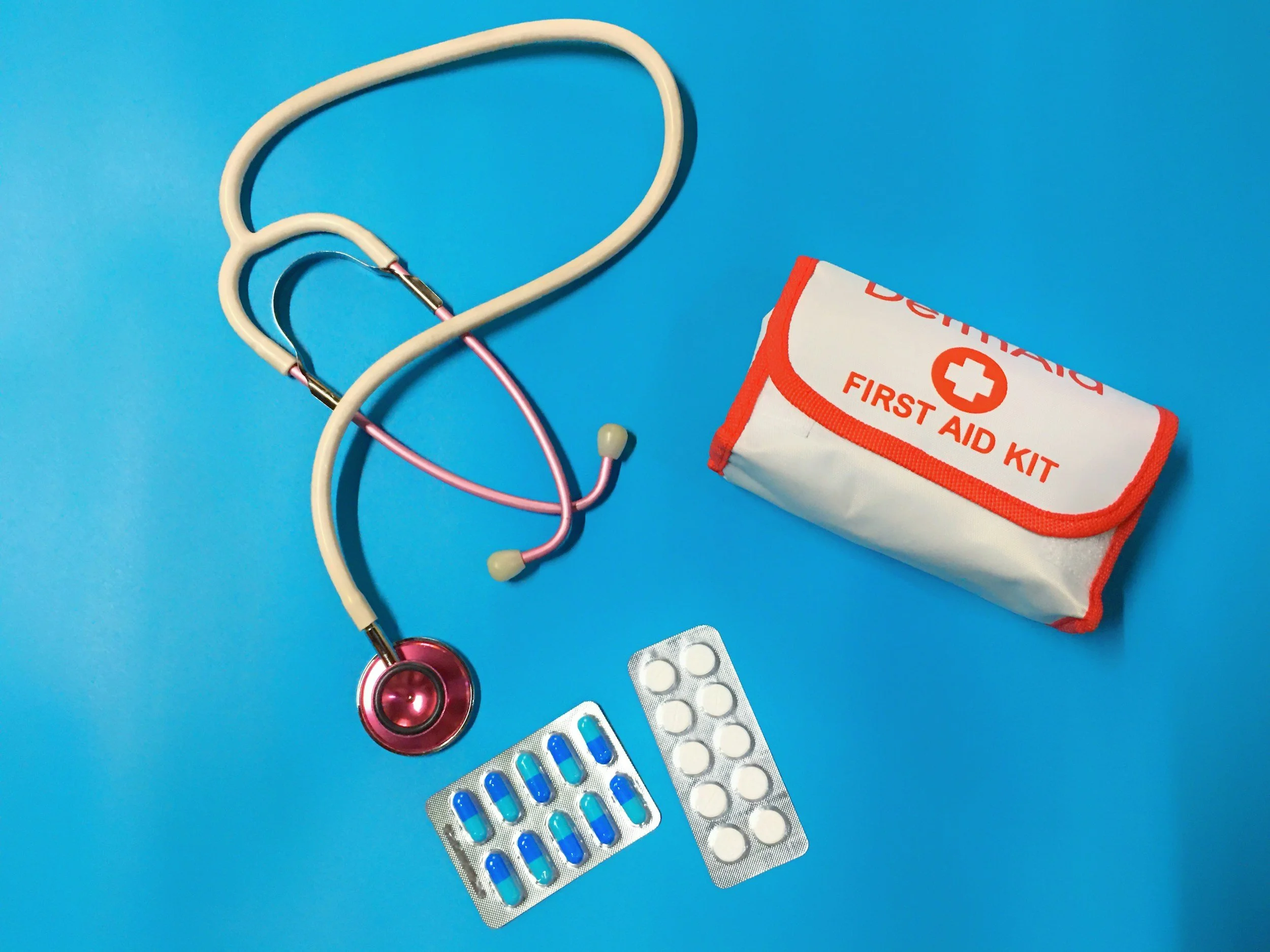
A 3-to-7 day supply of essential prescription medications (check expiry dates every 6 months).
A copy of your repeat prescription slips or a list of your medical conditions and dosages.
A basic first-aid kit including painkillers, antiseptic wipes, and plasters.
Miniature toiletries (toothbrush, toothpaste, wet wipes, and small deodorant).
A spare pair of prescription glasses or contact lenses.
Tech & Power (The Connectivity Kit)
Staying connected to local news, emergency services, and loved ones is your highest priority.
A high-capacity power bank (fully charged) and matching charging cables for your mobile devices.
A compact, bright LED torch (with batteries packed separately alongside it so they don't leak over time).
A small notebook and pen to write down information given by emergency services or hospital staff.
Comfort & Rapid Relocation
Items to keep you comfortable if you have to spend 12 hours in a local rest centre, a hospital waiting room, or an emergency hotel.
One change of comfortable clothes (such as a tracksuit, thick socks, and clean underwear).
High-energy snacks (protein bars, nuts, or dried fruit) and a small, filled bottle of water.
A lightweight packable jacket or poncho for unexpected weather changes as you leave.
Non-Perishable food - The Smart "Rotating Store Cupboard" Method
| Food Category | Best Examples for the UK | Prep Benefit |
|---|---|---|
| Proteins (No-Cook) | Tinned tuna, sardines, peanut butter, baked beans. | Ready to eat immediately; high satiety. |
| Quick Carbohydrates | Rice pouches, couscous, crackers, instant noodles. | Requires minimal or no cooking fuel. |
| Liquids & Comfort | Bottled water (3L per person per day), tea, UHT milk, coffee. | Maintains hydration and morale during grid drops. |
| Tools & Extras | Manual tin openers, thick bin liners, wet wipes. | Keeps the kitchen running without power or tap water. |
When people think of emergency food prepping, they often picture basement shelves stacked with specialised military rations or bulk buckets of freeze-dried rice. But for a modern UK crisis - like an unexpected snowstorm, road blockages, or a brief supply-chain hiccup - the most practical and budget-friendly solution is a "Rolling Store Cupboard."
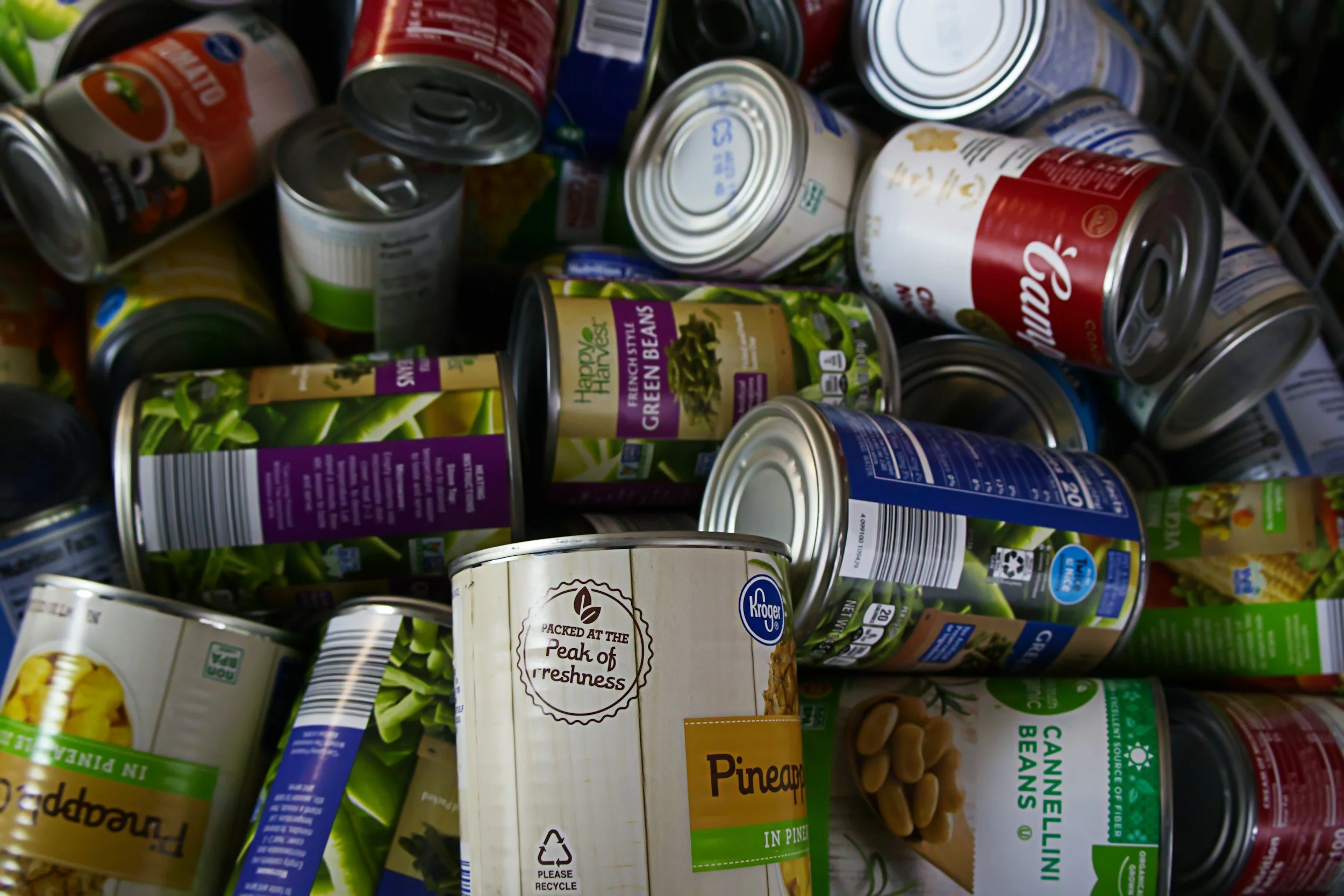
This method isn't about buying food to store away forever; it is about extending your daily larder so you always have a buffer of shelf-stable food your family actually eats.
1. The "+1 Rule" (Zero Budget Strain)
Don’t go to the supermarket and spend £150 on emergency food in one afternoon (even if you could afford to). Instead, adopt the +1 rule during your normal daily/weekly shop.
If you are buying a tin of chopped tomatoes, buy two. If you are buying a packet of pasta, grab an extra one.
By adding just £2 to £3 of shelf-stable items to your basket each week, you will build a robust two-week supply of food over three months without noticing the dent in your bank account.
2. The FIFO Rule: Rotate Your Stock
Food sitting in the back of a dark cupboard for five years gets forgotten, expires, and wastes money. The golden rule of a rolling cupboard is First In, First Out (FIFO).
When you unpack your groceries, place the newly purchased items at the back of the shelf.
Pull the older items to the front to use for tonight's dinner. This keeps your inventory fresh, eliminates waste, and ensures your emergency food is always well within its expiry date.
3. Focus on "No-Cook" and High-Energy Staples
Remember that a power cut or gas failure means you cannot use your oven or microwave. While - if you have one - a camping stove can boil water, you don’t want to waste your limited fuel boiling pasta for 15 minutes. Focus your store cupboard on a balance of items:
True No-Cook Staples: Tinned tuna/salmon/sardines, tinned sweetcorn, peanut butter (great protein source), crackers, protein bars, and tinned fruit. These can be eaten straight from the container in total darkness if necessary.
Quick-Heat Items: Tinned soups, baked beans, and pre-cooked microwave rice pouches (which can be warmed up in minutes on a camping stove with a tiny amount of water).
The Comfort Factors: Never underestimate the psychological boost of comfort food in a stressful situation. Stock extra tea bags, instant coffee, UHT long-life milk, crisps, biscuits, and a few bars of chocolate (wine or other alcohol optional)!
4. The Golden Rule: Don't Forget the Can Opener
It sounds obvious, but many households rely entirely on ring-pull tins. If you pack away emergency tinned stews or vegetables, make sure you have at least two manual, non-electric can openers sitting directly in that cupboard.
Being Prepared on a Low Income: No Need to Spend a Fortune
One of the biggest barriers to emergency preparedness is the assumption that you need to buy specialist equipment, stockpile weeks of food or invest in expensive survival gear. For households already struggling with the cost of living, that can make the Government's Prepare campaign feel unrealistic.
But being prepared should not be another financial burden. The aim is to make sensible, affordable changes using things you already own, gradually building a small reserve of essentials rather than spending money you cannot afford.
Preparedness is about prioritising, not panic buying.
The key message: build towards three days, not overnight
Start with what you already have
You don't need a dedicated emergency cupboard. A few tins, packets of rice, cereals, crackers and other long-life foods already in the kitchen are a starting point.
Buy an extra item, not an extra trolley
If there's room in the weekly budget, add one additional tin or packet of something your household regularly eats. Avoid buying unfamiliar foods that might go to waste.
Keep an eye out for "yellow sticker" clearance items on long-life goods, or buy supermarket baseline essentials. A tin of supermarket own-brand baked beans or chopped tomatoes often costs between 30p and 40p. Adding just one 35p tin to your weekly shop adds less than £1.50 to your monthly food bill but builds a multi-day emergency food safety net over time.
Prioritise water
The official guidance suggests three litres of drinking water per person per day. Build up a supply gradually, rather than purchasing it all in one go (although it can be cheaper to buy 6 bottles at a time).
Use everyday household items
A torch (or your LED candles), warm blankets, spare batteries, wet wipes and a manual tin opener are more useful than expensive specialist survival equipment.
Make a free grab bag
A bag is a bag. Use an old rucksack, shopping bag or even a bag for life, and put in copies of important documents, essential medication, a phone cable and basic toiletries.
Keep a little cash if possible
You don’t need a £100 stash hidden in a drawer to be ready for a digital banking crash. If card machines go offline, even a few pounds in loose change can buy bread or emergency milk at the corner shop.
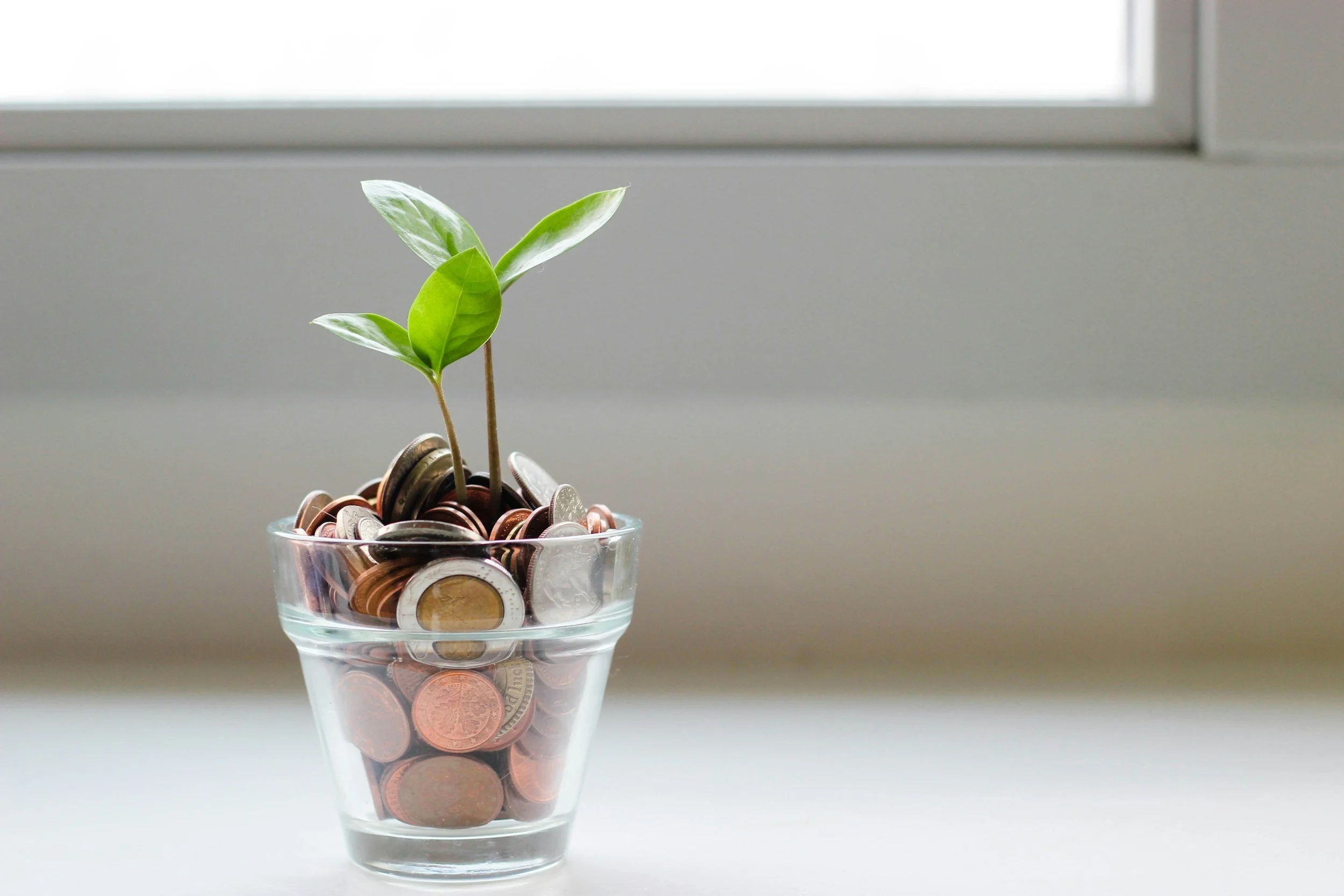
Keep an empty jar or old tin by the door. Every time you pay with physical cash, drop the silver 10p, 20p, and 50p coins into the jar (have a search down the sofa - I often find the odd coin there). Over a few months, this builds a £10 to £15 emergency cash fund entirely out of forgotten change.
Make a plan for free
Write down important telephone numbers, agree a family meeting point and identify neighbours who could help in an emergency - see the Household Emergency Plan.
Don't overlook the free preparations
Some of the most useful preparations cost absolutely nothing:
A realistic approach: prioritise the essentials
For someone on a tight budget, I'd suggest tackling preparations in this order:
Information and planning: Free and can be done today.
Food: Gradually build a small supply of food your household already eats.
Water: Add bottled water as the budget allows.
Light and warmth: Start with an existing torch, spare batteries and blankets.
Communication: Keep your phone charged and acquire a power bank when affordable.
Personal essentials: Make sure medication, baby and pet supplies and any specialist medical needs are covered.
There is also an important distinction between being prepared and being able to afford everything on the checklist. Someone who cannot afford three days of bottled water or additional food should not feel that they have failed. Nor should anyone be encouraged to spend money needed for rent, heating, food or essential medication on emergency supplies.
Preparedness should reduce vulnerability, not create another financial pressure.
Take the steps that work for your circumstance. The Government's own guidance recognises that not everyone will be able to complete every recommendation and encourages people to be community minded and to help others.
The 5-Minute "Digital Prep" Checklist (Zero Cost)
Preparing your household digitally doesn’t have to cost a penny. In a modern crisis, information is your most valuable asset. If the power drops, roads close, or extreme weather hits, having these free digital systems set up on your smartphone in advance ensures you aren't left guessing.
Take five minutes right now to complete these four free steps:
1. Download the Met Office App & Set Alerts
Don't rely on generic weather apps that only show sun and rain icons. The official Met Office app pushes direct National Severe Weather Warnings (Yellow, Amber, and Red) straight to your phone's lock screen based on your exact location.
Action: Search "Met Office" in your app store, enable location permissions, and toggle "Push Notifications" on for severe weather alerts.
2. Sign Up for Free Flood Warnings
Even if you don’t live near a major river, surface water and flash flooding can cut off local roads. The UK Government provides a completely free alert system via text message or phone call the moment a flood risk is identified in your specific postcode area.
Action: Search online for "Gov.uk sign up for flood warnings". Enter your postcode and telephone number to register. It takes less than two minutes.
3. Join the Priority Services Register (PSR)
If you or someone in your home is vulnerable, you shouldn't be left waiting in the dark during a power cut or utility failure. The Priority Services Register is a free service provided by UK energy and water networks. You qualify if you have infants under five, are of pensionable age, have a chronic medical condition, rely on electricity for medical equipment, or have mental health needs.
Benefits: Registered homes get advanced notice of planned outages, priority support during emergency cuts, and emergency home deliveries of bottled water or hot meals.
Action: Search "The Priority Services Register UK" or call 105 to find your local network operator and sign up for free.
4. Save an Offline Google or Apple Map
During localised emergencies, network masts can become heavily congested or lose power entirely, leaving you with zero mobile data. If you have to evacuate or navigate around road closures, your GPS will still work if you have saved your local map offline.
Action: Open Google Maps or Apple Maps on your phone. Tap your profile picture/settings, select "Offline Maps", and download a square encompassing your town and a 15-mile radius around your home. This map will now work perfectly even if your phone has no signal at all.
Emergency food cupboard: a practical three-day shopping list

You do not need an expensive survival-food kit to prepare for a short-term disruption. A modest selection of familiar, long-life foods can provide breakfasts, lunches, dinners and snacks for three days. The aim is to choose food you like that is affordable, easy to store and requires little preparation.
The examples below use Aldi as a budget-shopping guide. Prices can vary by store and availability; some are current online prices, while others are indicative allowances rather than a confirmed in-store basket. Aldi currently lists basics including spaghetti at 28p, long-grain rice at 52p, chopped tomatoes at 43p, tuna at 59p and tinned hot dogs at 89p for a tin of 8. A pack of 6 x 2lt bottles of water is currently £2.19. I personally recommend the big 1kg tub of Grandessa 100% Peanut Butter (smooth or crunchy) at Aldi which has not additives or sugars and costs £3.99.
Shopping list for one adult
This is a suggested starter cupboard for three days, not a complete long-term diet. It combines foods that can be eaten without cooking with ingredients for simple meals if you have access to a working hob or camping stove that can be used safely. Remember build it up slowly and substitute your preferred foods.
| Food | Suggested Quantity | How It Can Be Used |
|---|---|---|
| Baked beans | 3 tins | Breakfast, lunch or a quick meal |
| Hot dog sausages | 1 jar or tin | With bread, rolls or rice; heat as directed |
| Tuna | 2 tins | Sandwiches, crackers or pasta |
| Tinned soup | 2 tins | Quick lunch or light dinner |
| Chopped tomatoes | 1 tin | Pasta sauce or a simple stew |
| Sweetcorn or peas | 1 tin | Add to rice, pasta or soup |
| Pasta or spaghetti | 500g | Several simple meals |
| Long-grain rice | 500g–1kg | Serve with beans, sausages or vegetables |
| Porridge oats and/or cereal | 500g | Breakfast |
| UHT milk | 1 litre | Porridge or cereal |
| Crackers or crispbreads | 1 pack | No-cook lunches and snacks |
| Peanut butter or another spread | 1 jar | Quick, filling snack or meal |
| Tinned fruit | 1–2 tins | Breakfast or dessert |
| Biscuits or cereal bars | 1 pack | Snacks and extra energy |
Feeding a family will require greater quantities. Choose options that you know the children will actually eat.
| Food | Suggested Quantity | How It Can Be Used |
|---|---|---|
| Baked beans | 8 tins | Breakfasts, lunches and quick dinners |
| Hot dog sausages | 2 jars or tins | Hot dogs or served with rice |
| Tuna | 4 tins | Sandwiches, pasta or crackers |
| Tinned soup | 6 tins | Lunches or light dinners |
| Chopped tomatoes | 3 tins | Pasta sauce, rice dishes or stew |
| Sweetcorn, peas or mixed vegetables | 4–6 tins | Add to main meals |
| Pasta or spaghetti | 1kg | Two or more family meals |
| Long-grain rice | 1kg | Serve with sausages, beans or vegetables |
| Porridge oats | 1kg | Several family breakfasts |
| UHT milk | 4–6 litres | Cereal, porridge and drinks |
| Cereal | 1 large box | Breakfast alternative |
| Crackers or crispbreads | 3 packs | Lunches and snacks |
| Peanut butter or spread | 1 jar | Crackers or sandwiches |
| Tinned fruit | 4 tins | Desserts and snacks |
| Biscuits or cereal bars | 2 packs | Snacks |
| Dried fruit or nuts | 1 pack | Additional snacks, where suitable |
These are just suggestions that would give you meals that you wouldn’t have to think very much about - note some options such as pasta and rice will require additional water and heat to cook.
| Day | Breakfast | Lunch | Dinner |
|---|---|---|---|
| Day 1 | Porridge made with UHT milk | Tuna and crackers, with tinned fruit | Pasta with tomato sauce and sweetcorn |
| Day 2 | Cereal with UHT milk | Tinned soup with crackers | Hot dog sausages with rice and vegetables |
| Day 3 | Porridge or cereal | Baked beans with crackers or bread | Rice with beans, tomatoes and vegetables |
The Lowdown
Preparing for an emergency in the modern UK isn't about paranoia; it is about recognising that our daily routines rely on a highly interconnected, "just-in-time" network. From climate extremes like flash floods to global diesel shortages and software infrastructure vulnerabilities, we live in a world where small, local glitches can quickly trigger a domino effect across our food, water, power, and banking grids.
True readiness isn’t a luxury reserved for those with disposable income. Whether you are assembling a zero-cost grab bag from items you already own, spending 35p a week to slowly build a rolling store cupboard safety net, or investing in a premium, off-grid M&S pantry feast, being prepared is a common-sense safety net. It bridges the critical 72-hour gap when the systems we take for granted temporarily go dark.
How I am Preparing: Stockpiling, Grab Bag and Beyond
As a keen cook, I always have a well stocked larder, but I have added to it over the past few weeks, and have bought my 18 litres of water (I wanted more but we settled on a collection method instead).
I’ll be honest and say that I’ve not yet put our grab bag together, but I have been accumulating items for it. Apart from my store-cupboard supplies, I have bought or assembled the following:
Wind up radio, with light, alarm and phone charging capabilities
First Aid Kit
Water Butt (to collect water for flushing the loo, washing etc.)
Self-Heating blankets
Hot Water Bottles (already had several)
Printout of contact numbers
Photocopies of important documents and IDs
Mini toiletries (I usually have a set ready for my frequent travels)
Essential Mini Toolkit
Matches
Headlamps (already had from an Arctic Expedition)
LED Candles
Tips:
Search on Vinted, Facebook Marketplace and charity shops for some of the items needed for your grab bag,
If you’re a camper your half way there - just make sure your gear is easily accessible.
Prep your garden fire pit and your BBQs for alternative cooking methods (outdoors obviously)
Leave your dry robe or equivalent by the front door (I’ve seen you all wearing them on the school run). They are so warm and perfect if you need to leave in a hurry on a cold day.
Like many of you, being bombarded with the “Be Prepared” messages had started to freak me out, wondering why now, and what weren’t we being told? Writing this article has allayed my fears somewhat and eased my anxiety, putting things into perspective.
There are, no doubt, other issues we are currently unaware of, but as the storm rages outside, it makes sense to me to take precautions to cover those unexpected eventualities.
Store Cupboard recipes
If you are a domestic goddess (or want to appear to be one) here are a couple of store cupboard recipes to make meal times a little bit more exciting:
This recipe yields a hearty, filling German-style cold lunch or dinner using ingredients that can sit in your kitchen cupboard for up to two years.
Overnight "No-Cook" Emergency Oats
If a power outage hits during a freezing winter night, you can still have a filling, energy-dense breakfast ready the next morning without turning on a kettle or hob.
Cupboard Ingredients:
1 mug of standard Porridge Oats (supermarket everyday ranges cost around 90p for a 1kg bag)
1 mug of UHT Long-Life Milk, Oat Milk, or Water (completely shelf-stable until opened)
2 tablespoons of Grandessa 100% Peanut Butter (£3.99 for 1kg from Aldi)
1 tablespoon of Jam, Honey, or a handful of dried raisins/sultanas
Step-by-Step Method:
In a clean jar, plastic container, or deep bowl, combine one mug of dry porridge oats with one mug of cold UHT long-life milk or water.
Add two large tablespoons of peanut butter and your spoonful of jam or honey directly into the mixture.
Stir the mixture thoroughly for about 60 seconds to ensure the peanut butter mixes into the liquid and oats.
Cover the container with a plate or lid and leave it sitting on your kitchen worktop overnight. By morning, the oats will have fully absorbed the liquid, leaving you with a thick, rich, high-calorie breakfast that requires zero cooking.
The No-Cook Frankfurter (Hot Dog) Potato Salad
Cupboard Ingredients Needed:
1 tin of Frankfurters/Hot Dogs (such as Ye Olde Oak, roughly 89p–£1.00)
1 tin of New Potatoes in Water (typically 35p–45p in major UK supermarkets)
2 tablespoons of Mayonnaise or Salad Cream (shelf-stable until opened)
1 teaspoon of Mustard (English, French, or Dijon)
Optional flavour lifters: 2 tinned gherkins/pickles (diced) or a pinch of dried mixed herbs/black pepper.
Step-by-Step No-Cook Method:
Drain and Prep the Potatoes: Open the tin of new potatoes and drain the water completely. Since they are already fully cooked during the canning process, they are soft and ready to eat. Cut them into bite-sized quarters and place them in a bowl.
Mix the Dressing: In a small cup or directly over the potatoes, add your mayonnaise and mustard. Stir gently to coat the potatoes. The mustard cuts through the mayo and gives it a classic, comforting potato-salad tang.
Add the Extras (If you have them): If your cupboard has a jar of pickled gherkins, dice two up and fold them into the potatoes. The acidity adds a fresh crunch that mimics fresh onions. Toss in a pinch of dried herbs or pepper.
Slice the Frankfurters: Open your tin of hot dogs and drain the brine. Ambient hot dog sausages are completely pre-cooked before sealing and are safe to eat straight cold from the tin. Slice them into small coins and mix them directly into the potato salad, or serve them whole alongside it.
The 3-Bean "No-Cook" Fiesta Salad & Tuna
This recipe creates a refreshing, protein-heavy salad using cheap canned goods. Because everything is pre-cooked in the tin, you simply drain, mix, and eat.
Cupboard Ingredients Needed:
1 tin of Mixed Beans in Brine (or chilli sauce) or Green Lentils (typically 50p–65p in UK supermarkets)
1 tin of Sweetcorn (typically 45p–55p)
1 tin of Tuna Chunks in Sunflower Oil or Brine (around 75p–90p)
1 tablespoon of Dressing: Use the oil directly from the tuna tin if you bought tuna in oil. If using tuna in brine, use a splash of leftover pickled gherkin juice, a drizzle of store-cupboard vinegar, or a squeeze of salad cream.
Optional flavour lifters: A pinch of dried chilli flakes, garlic powder, or dried mixed herbs.
Step-by-Step No-Cook Method:
Drain the Vegetables: Open your tin of mixed beans (or lentils) and your tin of sweetcorn. Drain the liquid completely from both. If you have extra bottled water to spare, give the beans a quick rinse to remove the starchy brine, then tip them into a large bowl.
Add the Crunchy Sweetness: Fluff the sweetcorn into the beans. The sweetcorn adds crucial crunch and texture, which mimics fresh ingredients when you haven't had access to fresh vegetables for days.
Flake the Tuna: Open your tin of tuna. If it's packed in oil, do not throw the oil away - it is pure calorie energy and serves as your instant salad dressing. Flake the tuna chunks directly into the bowl with the vegetables.
Dress and Season: Stir everything together gently. Drizzle the tuna oil (or a splash of pickling vinegar/salad cream) over the top. Toss in a generous pinch of dried herbs, garlic powder, or chilli flakes to give it a savory kick. Eat directly from the bowl.
This also makes a delicious filling for tortilla wraps which have a long shelf life (around 79p for 8).
High-Energy Sweet Crunchy Peanut Butter Mix
When electricity is completely cut during winter, your body burns massive amounts of energy just trying to stay warm. This is a sweet, dessert-style comfort food designed to maximize calorie density using Aldi's budget-friendly bulk staples.
Cupboard Ingredients:
2 large tablespoons of Grandessa 100% Crunchy Peanut Butter (£3.99 for 1kg from Aldi)
1 small tin of Fruit Cocktail or Peach Slices in juice/syrup (around 45p)
3-4 plain biscuits, crackers, or oatcakes (crushed)
Step-by-Step Method:
Open your tin of fruit cocktail and drain off the excess syrup or juice (you can drink the juice separately for quick sugar energy).
In a bowl, roughly crush a handful of crackers or plain biscuits into small bits using your hands.
Add two large dollops of the 100% peanut butter directly into the bowl.
Gently fold the drained tinned fruit into the peanut butter and crushed biscuits. The natural acidity of the fruit cuts through the heavy peanut butter, creating an instant, highly filling, no-cook energy paste.
You can of course still be fancy if you want to push the boat out for a celebration (or you just have expensive tastes):
The Luxury No-Cook Store Cupboard Feast
Premium Ingredients Needed:
1 tin of M&S Chicken in White Wine Sauce or Waitrose Creamy Chicken & Mushroom (approx. £3.00–£3.50)
1 pack of Waitrose/M&S Pre-Cooked Lentils or Quinoa Pouches (such as Merchant Gourmet or Waitrose Puy Lentils, approx. £2.00)
1 small jar of M&S Flame Roasted Peppers or Waitrose Marinated Artichoke Hearts (approx. £2.50)
1 tablespoon of Premium Basil Pesto or Truffle Oil (completely shelf-stable until opened)
Optional finishing touches: A handful of premium sea salt flakes (like Maldon) and cracked black pepper.
Step-by-Step No-Cook Method:
Prepare the Grain Base: Open the pre-cooked lentil or quinoa pouch. Because these grains are fully steam-cooked inside the sealed pouch during manufacturing, they are entirely safe and delicious to eat cold straight from the bag. Empty them into a wide serving bowl and fluff them gently with a fork.
Layer the Chicken: Open the tin of premium chicken in white wine sauce. M&S and Waitrose canned meats feature tender, whole breast pieces in a rich, stable emulsion. Spoon the chicken and its rich white wine sauce directly over the cold lentils. The ambient temperature sauce acts as a rich, savory dressing for the grains.
Add the Gourmet Accents: Drain two pieces of the flame-roasted peppers or marinated artichokes from their jar. Slice them into rustic strips using a knife or spoon and scatter them over the chicken. The smoky sweetness of the peppers perfectly cuts through the rich, creamy wine sauce.
The Luxury Finish: Drizzle a generous tablespoon of high-quality basil pesto or a few drops of truffle oil over the top of the dish. Finish with a pinch of sea salt flakes and freshly cracked black pepper. Eat with a sturdy fork.
Remember to print the recipes out. Share your own store-cupboard recipes in comments.
Frequently Asked Questions
Why is the UK government telling households to prepare and stockpile?
The UK Government's "Be Prepared" campaign builds household self-reliance. Modern logistics run on an interconnected, "just-in-time" framework with zero physical backstock. Minor disruptions from extreme weather, global energy crises, or digital outages can cause temporary delivery delays or panic buying, making a baseline home supply essential.
What should be in an emergency grab bag if I don't live in a flood zone?
Even in low-risk or urban areas, a grab bag protects against non-climate emergencies like local gas leaks, house fires, or sudden hospital trips. It should contain copies of vital identification and insurance documents in a waterproof pouch, an emergency cash reserve in small notes/coins, a 3-to-7 day supply of prescription medication, phone charging cables, a power bank, and basic toiletries.
Why do I need to keep physical cash at home if I usually pay by card or phone?
Digital banking networks, card machines, and ATMs depend fully on continuous electrical power and cloud internet connections. If localized flooding downs cables or a software bug causes a widespread tech outage, digital payments decline instantly. Keeping a cash reserve in small denominations ensures you can still purchase fuel, medicine, and food from local shops.
How can I build an emergency food cupboard on a low income?
You do not need to buy expensive survival kits. Use the "+1 Rule" during your normal weekly supermarket trip by picking up one extra budget-tier item (such as a 35p tin of baked beans, chopped tomatoes, or a 99p pack of long-life tortilla wraps). Over a few months, this builds a comprehensive 72-hour to two-week emergency safety net seamlessly without straining your budget.
Why is tap water not considered safe during a major infrastructure emergency?
Severe flooding or burst pipes can contaminate water mains with sewage or runoff, triggering strict "Boil Water Notices". Furthermore, if an electrical power cut occurs, water treatment pumps fail entirely, causing taps to run completely dry. Storing a minimum of 9 litres of bottled water per person ensures safe hydration during network drops.