
An American in London - A Guide to Practical Matters
The Most Frequently Asked Questions by Americans Arriving in London Pre-Cruise or for a Post-Cruise Stay

A useful resource for all Overseas Visitors to London
This practical guide for American travellers visiting London before or after a cruise covers essential travel details, including mandatory UK Electronic Travel Authorisation (ETA) requirements, the cashless economy, transportation options from Heathrow Airport, and a breakdown of major cruise ports like Southampton, Dover, Tilbury, and Greenwich. It also provides useful local vocabulary and safety tips to ensure a smooth transition.
An American in London: The Ultimate Pre- & Post-Cruise Practical Guide
Are you flying "across the pond" for a dream European cruise out of the United Kingdom? While London is an incredible world city to explore before or after your voyage, navigating a foreign transit system and differing local customs can cause unexpected vacation anxiety.
As a UK local, I know that travelling with heavy cruise luggage, deciphering train routes, and understanding local money rules can feel overwhelming for international visitors. This practical guide answers the most frequent and urgent logistical questions to ensure your arrival in Great Britain is completely seamless.
Entry Requirements & Crucial Travel Documents
To ensure you are not denied boarding at your US departure airport, verify that you have these entry requirements completely secured before you head to the gate.
The UK Electronic Travel Authorisation (ETA): Mandatory. All U.S. citizens travelling to or transiting through the United Kingdom must have an approved UK ETA before departure. This digital permit is tied directly to your passport.
Cost: £20 per person (approx. $26 USD).
How to Apply: Download the official UK ETA app via the Apple App Store or Google Play Store. Most decisions arrive within minutes, but you should apply at least 72 hours before your flight.
Passport Validity: Officially, the UK only requires your US passport to be valid for the duration of your stay. However, if your cruise docks in mainland Europe (the Schengen Area), your passport must be valid for at least 3 months past your return date. We strongly recommend having 6 months of validity to avoid any strict cruise line boarding rejections.
Cruise Line Luggage Tags: Do not attach your physical cruise ship luggage tags until after you land in London. Airport baggage handling machinery can easily tear them off during your transatlantic flight.
Travel Insurance: It’s advisable to have travel insurance that covers international medical care and trip interruptions.
Cruise Documents: Keep your cruise reservation details and boarding pass accessible, either in print or digitally.
Proof of Return Travel: Be prepared to show evidence of your return flight or onward travel, though it’s rarely requested.
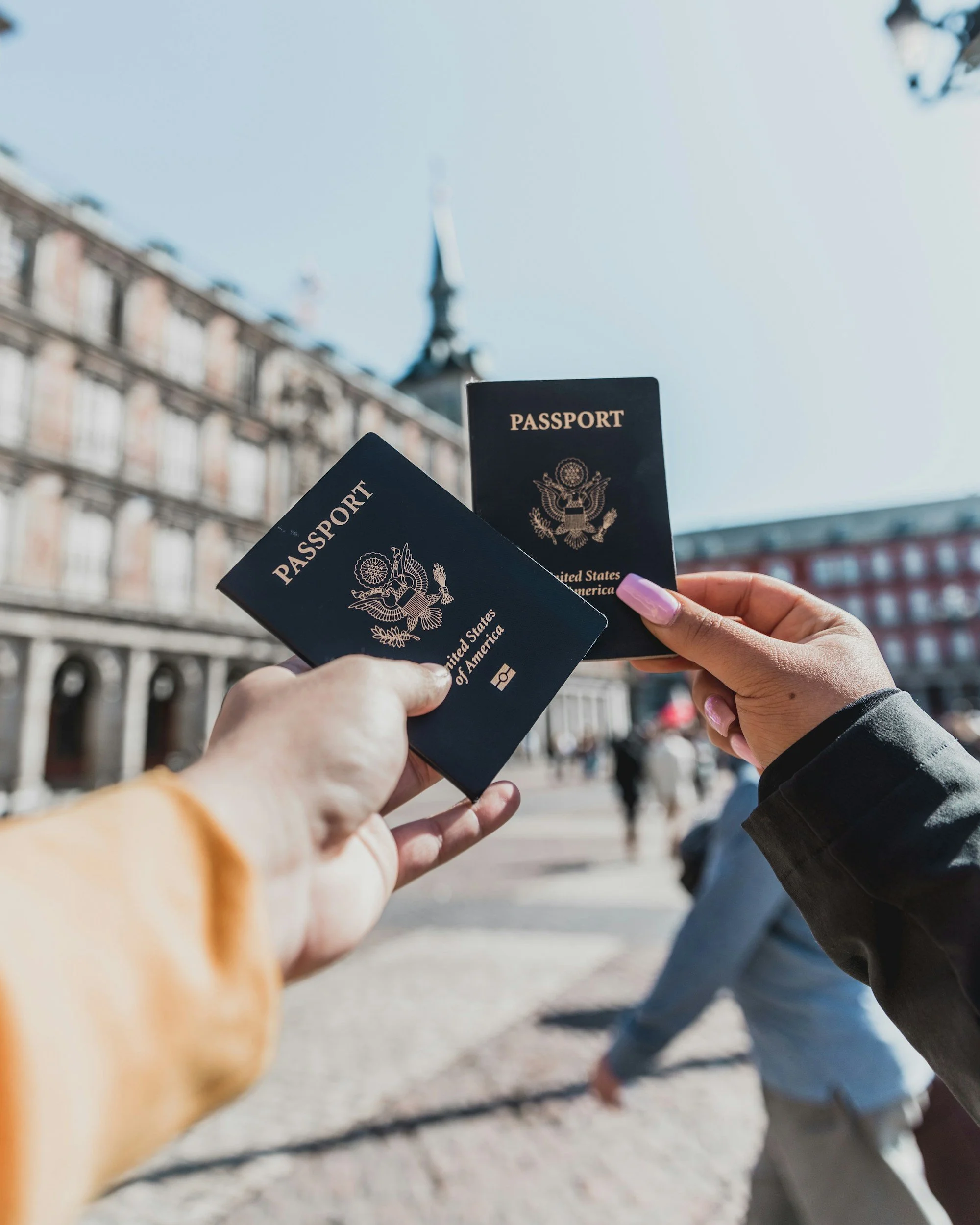
American Passports
Choosing Your Airport & Arriving in London
London is serviced by several airports, but London Heathrow (LHR) and London Gatwick (LGW) are the primary gateways for transatlantic travellers.
Heathrow Airport (LHR): The largest and most convenient airport for central London, offering the fastest and most varied transit options directly to cruise-friendly hotel hubs.
Gatwick Airport (LGW): A great alternative located south of the city, offering easy access to central London via the Gatwick Express train into London Victoria Station.
London City Airport (LCY): The closest to the actual city centre, but primarily used for short-haul flights connecting from mainland Europe, but also New York.
Luton Airport (LTN) & Stansted Airport (STN): Located much further outside central London, these airports are predominantly hubs for European budget airlines.
For the vast majority of cruise travellers, booking flights into Heathrow or Gatwick will provide the most seamless experience.
Navigating from Heathrow to Central London
If you land at Heathrow, do not buy a physical Oyster Card or paper transit tickets. They are an expensive waste of time. You can seamlessly pay for the Tube, the Elizabeth Line, and local buses by simply tapping your U.S. contactless credit card, Apple Pay, or Google Pay directly at the station barrier gates. The transit system automatically calculates the cheapest daily fare cap for you.
When travelling with heavy cruise luggage, use this side-by-side comparison matrix to choose the best transit mode for your budget and energy levels:
Note: Traditional London Black Cabs and rideshares (like Uber) are readily available at all Heathrow terminals. However, because of heavy London traffic, a ride into the city centre can take over an hour and typically costs between £70 and £95 ($90–$125 USD).
Money-Matters
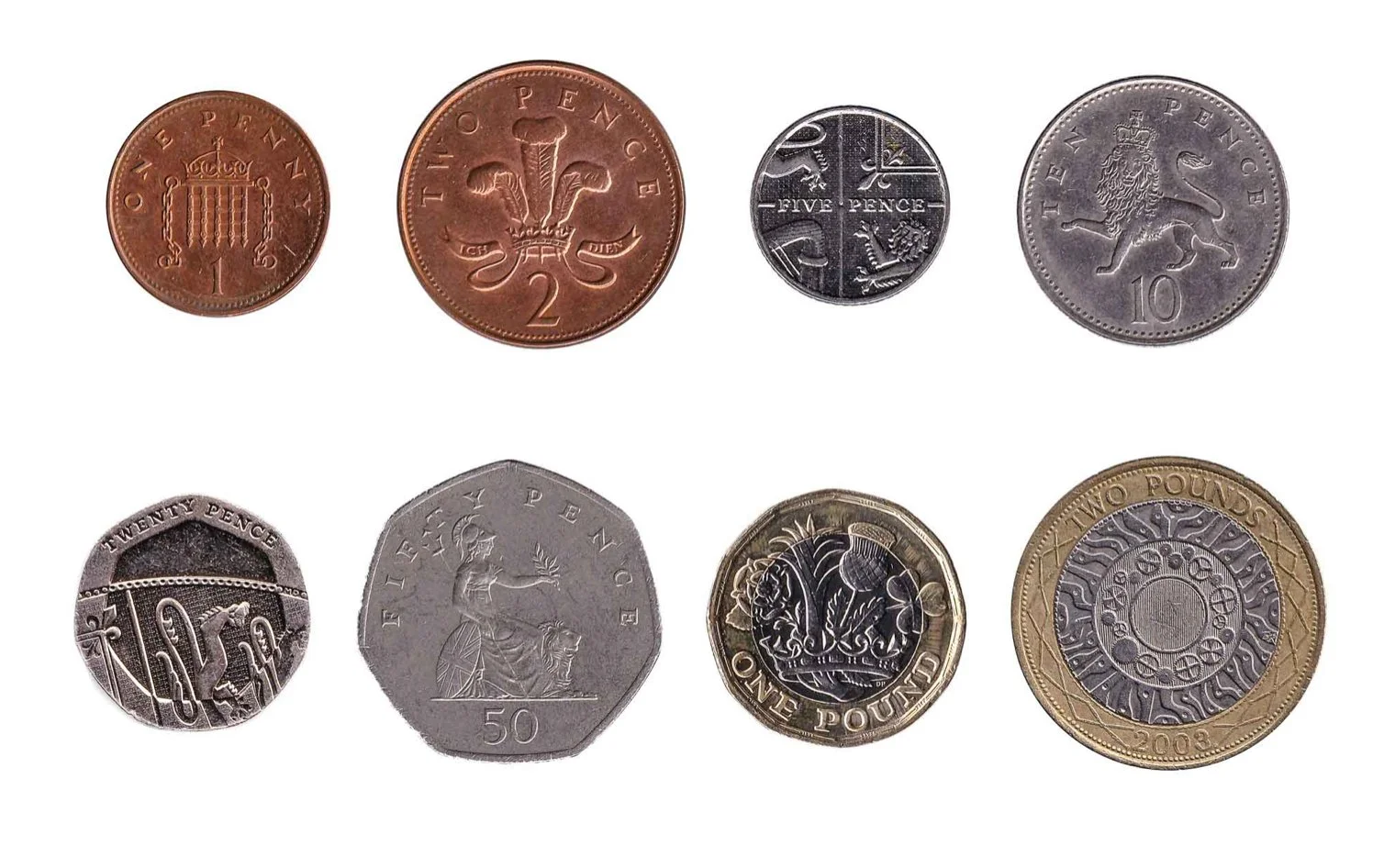
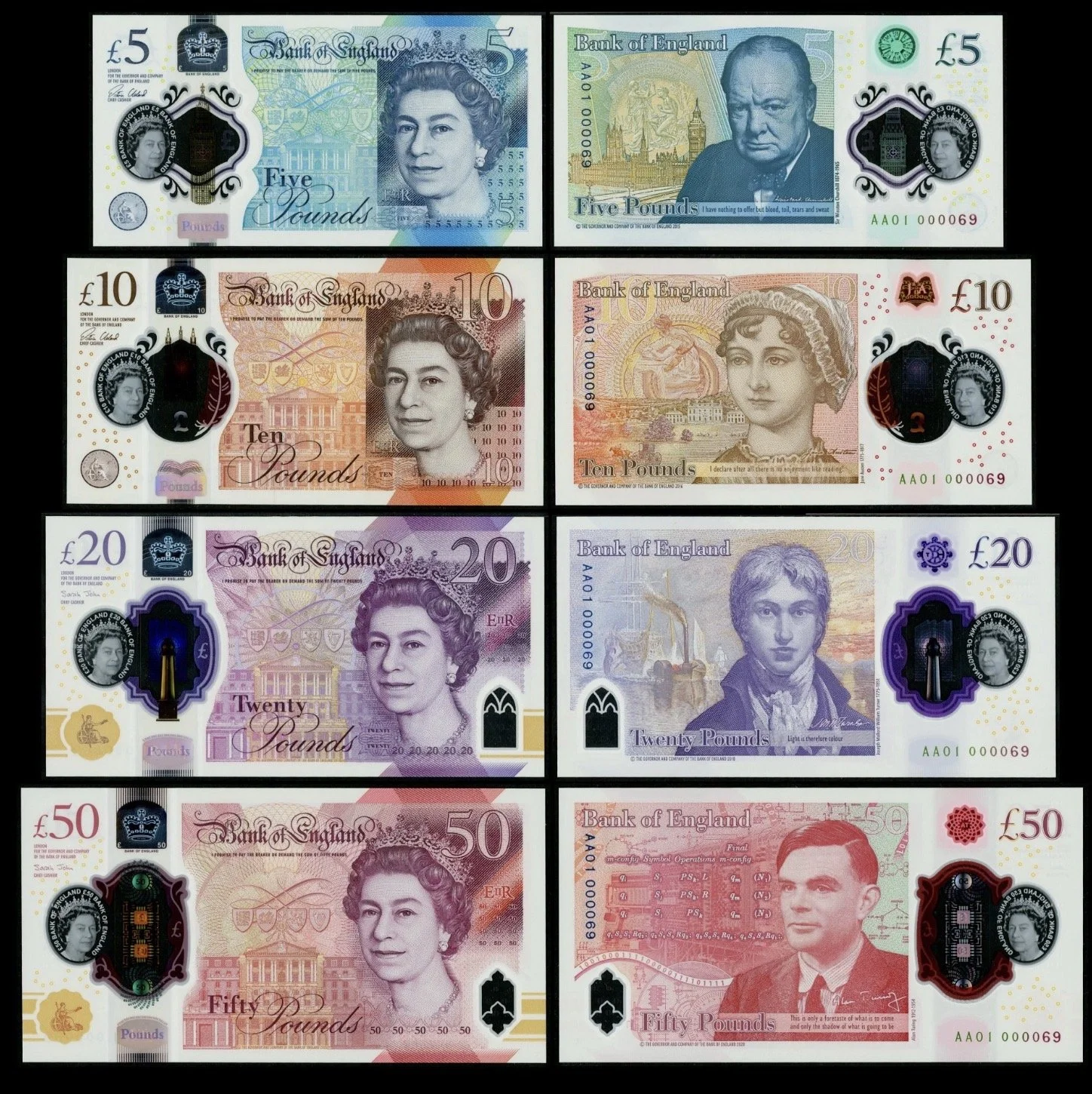
The UK currency is the British Pound (Sterling) - although predominantly cashless now, you may want some small denominations for tips and ancilliary items. We often use coins for amounts under £5 (1p and 2p (copper), 5p, 10p, 20p and 50p (silver) and £1 and £2 coins (light gold). For larger amounts we use plasticised banknotes in denominations of £5, £10, £20 and £50.
Money Matters: The Cashless London Economy
The currency of the United Kingdom is the British Pound Sterling (£). However, how you pay for items in London is likely very different from what you are used to at home.
London is Virtually Cashless: You do not need to exchange large amounts of greenbacks for physical British currency before your trip. Many London pubs, restaurants, transit hubs, and tourist attractions completely refuse cash and will only accept card payments.
US Dollars Are Not Accepted: You cannot spend US dollar bills anywhere in London. If you absolutely want some local pocket change, do not use the predatory exchange booths at the airport. Instead, use a local bank ATM (known locally as a "Cashpoint") once you arrive in the city.
Ditch the Oyster Card for Contactless: You cannot use cash on London's public transit system (buses, the Tube, or commuter trains). Instead of wasting time and a non-refundable £7 fee buying a physical transit card, simply use your U.S. contactless credit card or mobile wallet (Apple Pay, Google Pay, Samsung Pay) at the turnstiles. It works instantly and guarantees the lowest daily fare rate.
US/UK Currency Conversion Table (August 2026)
This is for reference only - check current rates of exchange before you travel.
💡 Reader Note: These tables use standard mid-market exchange rates. When converting money abroad or making international purchases, traditional banks and credit cards often add a hidden markup or a 1% to 3% foreign transaction fee.
US Dollar (USD) to British Pound (GBP)
| US Dollar ($ USD) | British Pound (£ GBP) |
|---|---|
| $1 | £0.73 |
| $5 | £3.67 |
| $10 | £7.33 |
| $20 | £14.66 |
| $50 | £36.66 |
| $100 | £73.32 |
| $250 | £183.30 |
| $500 | £366.61 |
| $1,000 | £733.22 |
British Pound (GBP) to US Dollar (USD)
| British Pound (£ GBP) | US Dollar ($ USD) |
|---|---|
| £1 | $1.36 |
| £5 | $6.82 |
| £10 | $13.64 |
| £20 | $27.28 |
| £50 | $68.20 |
| £100 | $136.39 |
| £250 | $340.98 |
| £500 | $681.97 |
| £1,000 | $1,363.93 |
Avoiding Transaction Fees & Credit Card Pitfalls
Before you fly out of your home airport, call your bank or log into your credit card app to check for Foreign Transaction Fees (FX Fees).
If your credit card charges a standard 3% fee on international purchases, those dining out and theatre expenses will add up fast. Try to use premium travel cards (like Chase Sapphire, Capital One Venture, or American Express Platinum) which feature $0 foreign transaction fees.
💡 The "Dynamic Currency Conversion" Trap:
When paying with a U.S. credit card at a machine in London, the terminal screen will often ask: "Would you like to be charged in GBP (£) or USD ($)?"Always choose GBP (£). If you choose USD, the local merchant's bank applies a terrible, marked-up exchange rate to convert the currency on your behalf. Always let your own U.S. credit card issuer handle the conversion.
The Golden Rules of London Tipping Customs
Tipping in Great Britain does not follow the same high-percentage expectations as the United States. Because UK hospitality staff earn a legal, liveable minimum wage, tipping is treated as a true bonus for good service rather than an automatic obligation.
Sit-Down Restaurants: Check your final bill carefully before adding a tip. Most sit-down establishments in London automatically include a 12.5% discretionary service charge to the total. If this line item is present, your tip is already covered - there is absolutely no need to add more money. If it is not included, a tip of 10% to 15% for good service is standard.
Pubs and Bars: You do not tip a bartender when ordering drinks or pub food at the counter.
Taxis and Rideshares: For London Black Cabs or Ubers, rounding up to the nearest pound or adding a small 10% tip via the app for a smooth ride is highly appreciated but not required.
Transportation:
Getting From the Airport to Your London Hotel
If you are staying in London for a few days before your cruise, your first task upon landing is getting your heavy luggage from the airport to your hotel. While hiring a rental car is possible, driving on the left side of the road on busy UK motorways (highways) while jet-lagged is highly discouraged. Fortunately, London's airports are world-class when it comes to public transportation.
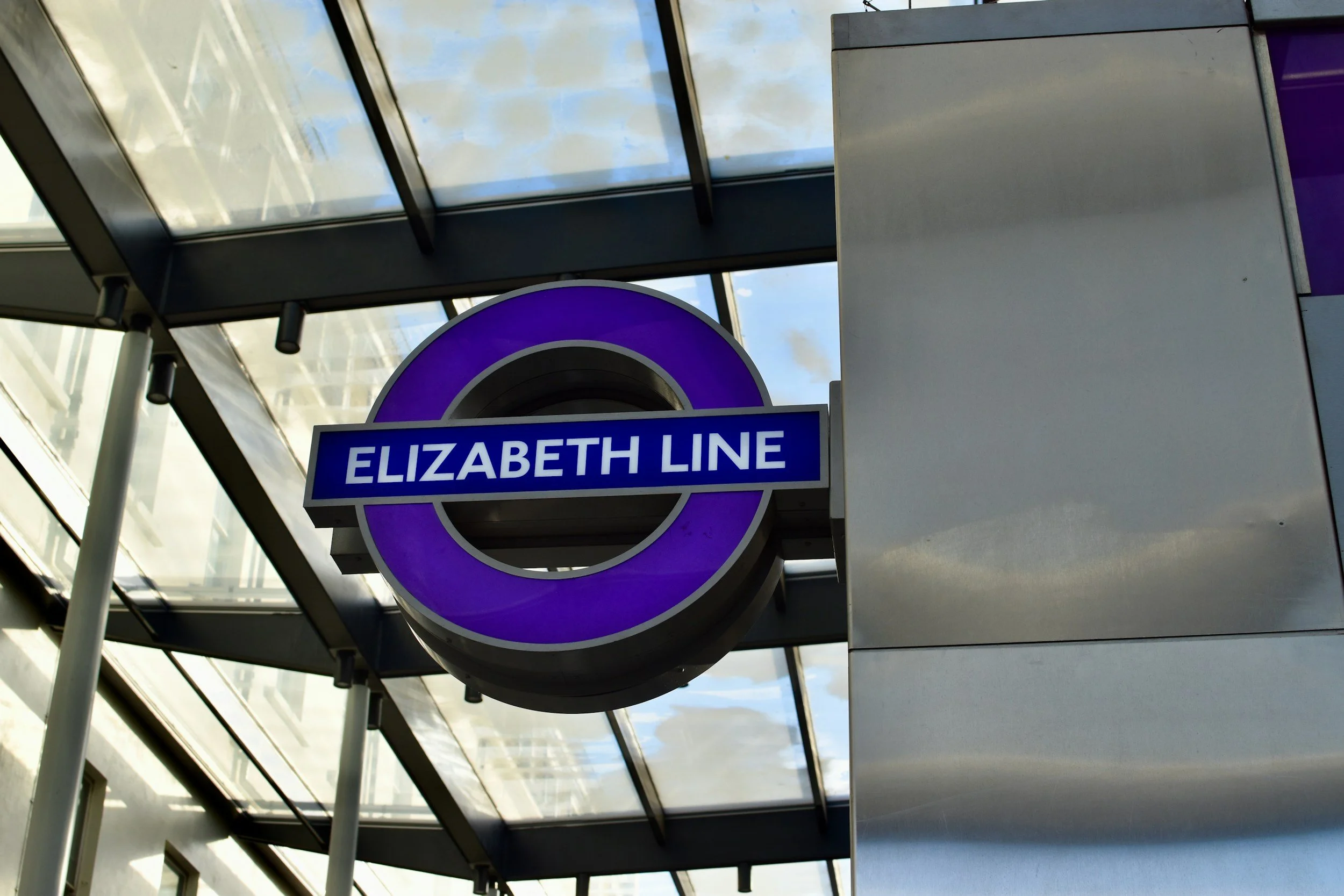
From Heathrow (LHR): Your absolute best options with cruise luggage are the Elizabeth Line (best value, air-conditioned, direct to hotel hubs) or the Heathrow Express (fastest, direct to Paddington Station).
From Gatwick (LGW): The most efficient route is the Gatwick Express train, which runs non-stop every 30 minutes directly into London Victoria Station or London Bridge in central London. The journey takes just 30 minutes, and you can tap your contactless card or phone at the station gates to pay.
The London Cruise Port Reality Check
When an itinerary says your cruise departs from or docks in "London," it is highly unlikely you will be boarding your ship next to Tower Bridge. London actually utilises three completely different cruise ports, plus one major coastal port located nearly two hours away.
Turning up to the wrong port with four massive cruise suitcases can completely ruin your vacation. Use this breakdown to understand exactly where your ship is docking and how to get there safely from central London.
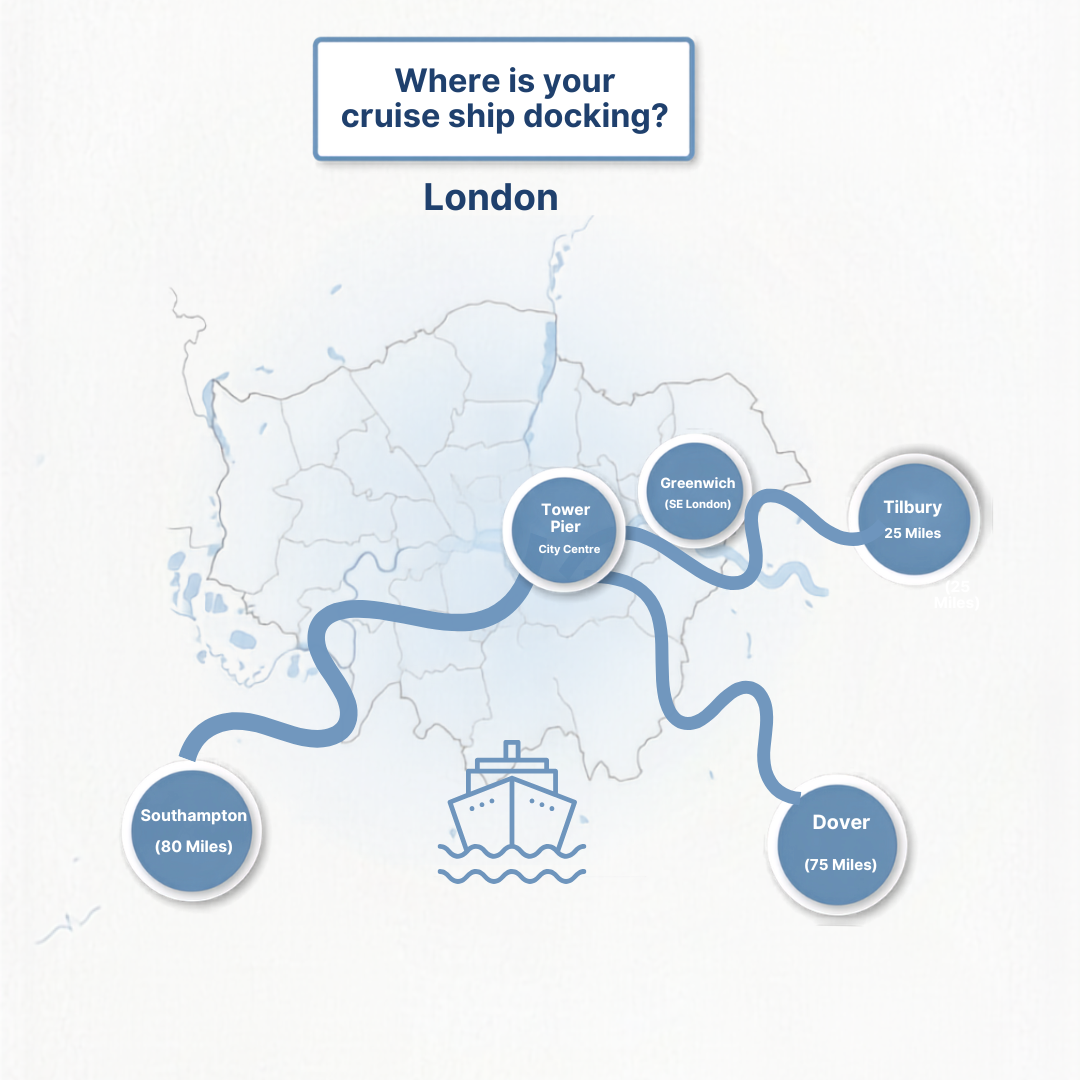
A visual guide to “London” cruise ports. Image: Kathy Taylor, Cruise Lowdown ©️
1. London (Southampton) - 80 Miles South
This is the main mega-ship cruise capital of the UK, utilised by major U.S. lines like Royal Caribbean, Celebrity Cruises, Carnival, NCL, and Princess. It is not in London.
The Travel Logistics: Located on the south coast of England, it takes roughly 1.5 to 2 hours to reach from the capital.
How to Get There:
By Train: Catch a direct National Rail train from London Waterloo Station straight to Southampton Central Station. The journey takes about 80 minutes. Always buy your tickets in advance using apps like The Trainline to secure cheaper "Advance" fares.
🚂 Step-by-Step Rail Guide: Navigating a foreign train station with heavy cruise luggage can be daunting. To avoid peak-fare ticket traps and learn exactly how to board the right train, read our complete companion guide: How to Travel from London to Southampton Cruise Port by Train.
By Private Transfer: If travelling as a family or carrying heavy cruise luggage, booking a dedicated private car service to drive you door-to-door from your London hotel straight to the terminal is highly recommended.
✈️ Read Next: Landing at LHR and heading straight to the ship? Avoid the grueling central London train loop with our direct transit guide: How to Travel From London Heathrow Airport Directly to Southampton Cruise Port.
2. London (Dover) - 75 Miles Southeast
Famous for its historic castle and iconic White Cliffs, Dover is the second busiest cruise port in the UK. It is heavily used for British Isles and Northern Europe itineraries by lines like Princess, Holland America, Carnival, and Disney Cruise Line.
The Travel Logistics: Located in the county of Kent, it takes about 1 hour and 45 minutes to drive or just over an hour by high-speed rail.
How to Get There:
By Train: Take the high-speed Southeastern bullet train from London St. Pancras International Station straight to Dover Priory Station. The fastest journeys take just 66 minutes.
Cruiser Warning: Dover Priory train station is not located right next to the cruise terminals .It’s a 30-to-40 minute walk with luggage. You will need to grab a local taxi from the rank directly outside the station for the quick, 10-minute drive down to the ships at the Western Docks.
3. Tilbury London Cruise Terminal - 25 Miles East
Located on the north bank of the River Thames in Essex, this is an industrial, historic port predominantly used by boutique lines, British cruise brands, and occasional mid-sized international vessels.
The Travel Logistics: It takes about 45 to 60 minutes to reach from central London.
How to Get There:
By Train: Take a commuter train from London Fenchurch Street Station down to Tilbury Town Station. From there, you will need to take a quick, 5-minute local taxi or shuttle bus down to the actual passenger terminal gate.
4. Greenwich Ship Tier - Located In London (Zone 2)
This is one of the bucket-list docking locations, exclusively reserved for smaller luxury and premium lines (such as Viking Ocean Cruises, Azamara, and Silversea).
The Travel Logistics: Your ship will actually anchor right in the River Thames next to the historic Cutty Sark. Guests are brought ashore via small tender boats directly into Greenwich.
Sightseeing & Transit Hack: Because you land directly inside London's transit system, you do not need to book expensive cruise line excursions to see the city. Walk straight to Greenwich Pier and board the Uber Boat by Thames Clippers (River Bus). It acts as a highly affordable, incredibly scenic river cruise that will take you past Tower Bridge, the London Eye, and Big Ben for a fraction of the cost of a tourist boat.
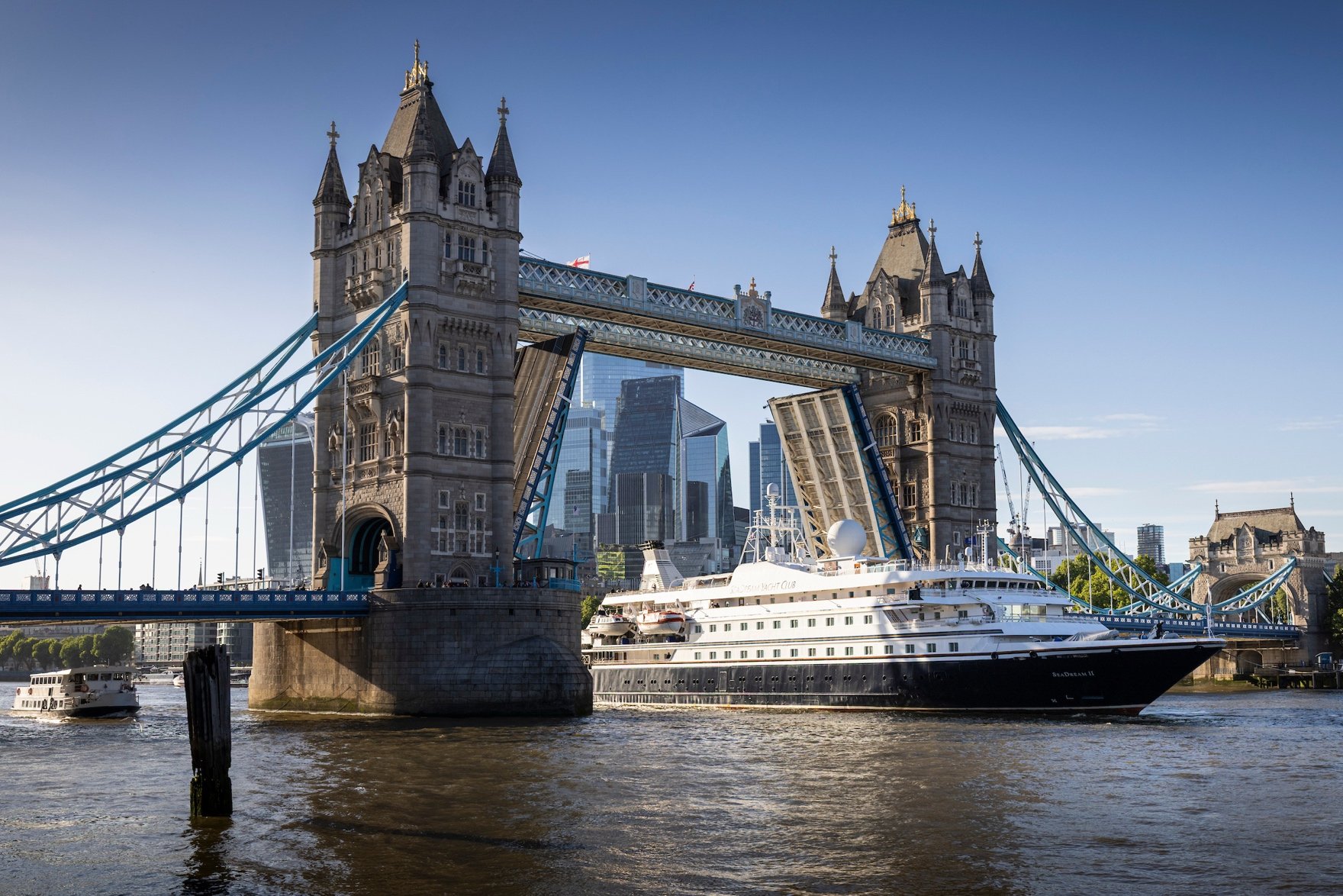
5. The Ultimate Luxury Arrival: Tower Bridge & Tower Pier (Zone 1)
For select ultra-luxury, small boutique, or expedition ships (such as those operated by Silversea, Seabourn, Windstar or Crystal), your itinerary might feature the most exclusive docking location in the entire United Kingdom: Tower Pier or the London Docklands.
This is the ultimate bucket-list arrival. If your vessel is small enough to navigate the River Thames and cruise directly under a raised Tower Bridge, you will be letting off your gangway right in the historical heart of central London.
The Travel Logistics: Unmatched convenience. You are already in London (Zone 1). There are no long train journeys, highways, or expensive private transfers required to start your vacation.
Sightseeing from the Pier: Once you step off the ship onto Tower Pier, you are just a 2-minute walk from the Tower of London and Tower Bridge.
Transit Links: For exploring further into the West End or catching a flight, you are directly connected to the rest of the city. Walk 5 minutes to the Tower Hill Underground Station to catch the District or Circle subway lines, or use the Tower Pier Uber Boat (Thames Clippers) to cruise down the river toward Westminster or Greenwich.
Staying Connected: Cell Phone Data & eSIMs
The moment your flight lands in London, you will need a reliable data connection to navigate train schedules, order an Uber, or check your digital cruise boarding passes. Relying on slow, unsecured public airport Wi-Fi is not ideal when hauling luggage. You have three main options for using your U.S. cell phone in the UK:
Option 1: International Day Passes (The Easiest Route)
Major U.S. carriers (like Verizon, AT&T, and T-Mobile) offer international roaming plans that automatically activate when you land.
How it works: Verizon and AT&T generally charge around $10 per day to let you use your existing domestic data, talk, and text plan abroad. T-Mobile often includes free basic, slower international data on their premium plans.
Cruiser Warning: These day passes only cover you when your phone is connected to land-based cell towers. The moment your cruise ship sails out to sea, your phone will switch to Maritime Cellular (Satellite Roaming), which is not covered by international day passes and can rack up thousands of dollars in roaming fees in a matter of hours. Always turn on Airplane Mode once the ship sets sail!
Option 2: Travel eSIMs (The Best Value for Tech-Savvy Travelers)
If your smartphone is unlocked and supports digital SIM cards, downloading a travel eSIM app (like Airalo, Holafly, or Nomad) before you leave the U.S. is the most cost-effective method.
How it works: You purchase a UK or European digital data package directly through the app. For example, a 10GB data package valid for 30 days in the UK often costs less than $15 USD total—vastly cheaper than paying $10 every single day to your U.S. carrier.
Cruiser Tip: If your cruise itinerary visits multiple European countries (like France, Spain, or Italy), skip the "UK-only" eSIM and purchase a Regional Europe eSIM. This ensures your data rolls over seamlessly from country to country as you cruise.
Option 3: Local Physical SIM Cards (The Budget Route)
If your phone is unlocked but does not support digital eSIMs, you can purchase a physical prepaid UK SIM card from network providers like EE, Vodafone, or Three.
Where to buy: Avoid the vending machines in the airport baggage claim area, as they charge heavily marked-up tourist prices. Instead, walk into any local grocery store (like Tesco or Sainsbury's) or a dedicated mobile phone shop once you get to central London to buy a prepaid SIM card for around £10 to £15.
The "American in London" Vocabulary & Safety Cheat Sheet
To navigate London seamlessly, you need to understand a few local terms. Knowing these words can prevent you from getting stranded on a train platform with heavy bags:
To navigate London seamlessly, it helps to understand a few local terms. Knowing these words will help you find facilities quickly, read menus accurately, and avoid getting stranded on a train platform with heavy bags:
Restroom / Bathroom ➡️ The Toilets / Loo / WC: If you ask a local for the "restroom" or "bathroom," they will know what you mean, but signs will almost always say "Toilets" or "WC" (Water Closet). Crucial Cruiser Tip:Many public restrooms in London train stations require a small payment (usually around 30p to 50p) via a contactless tap-to-pay terminal at the turnstile, though major hubs like Waterloo and Paddington have recently made theirs free.
Elevator ➡️ Lift: This is the most vital word for cruisers. If you are hauling large suitcases, look for signs displaying a "Lift" symbol at Tube and train stations. Many older London subway stations only feature escalators or steep, historic spiral stairs. Always check the transit map for a wheelchair symbol indicating "Step-Free Access" before traveling with luggage.
Subway ➡️ The Tube / Underground: In the United Kingdom, a "subway" is a pedestrian underpass used to walk beneath a busy street. If you are looking for the train system, ask for the "Tube" or the "Underground."
ATM ➡️ Cashpoint: If you need to withdraw British pounds from a bank machine, look for signs pointing to a "Cashpoint."
Highways ➡️ Motorways: The massive multi-lane interstate roads connecting London to cruise ports like Southampton are called "Motorways" (e.g., the M3 or M25).
Line ➡️ Queue: British people do not "stand in line"; they "queue." It is a cardinal cultural sin to skip or cut into a queue in Great Britain.
Check / Bill ➡️ The Bill: At the end of a meal in a restaurant, ask your server for "the bill" rather than "the check."
Look Right! (Life-Saving Safety Tip): Because vehicles drive on the left side of the road in the UK, traffic will come from the exact opposite direction of what your brain expects. When stepping off the sidewalk, always double-check both ways. Major London tourist districts print helpful "LOOK RIGHT ➡️" or "LOOK LEFT ⬅️" warnings directly onto the pavement at crosswalks—always follow them!
An American in London Frequently Asked Questions (FAQ)
Can I use my U.S. credit card everywhere in London?
Yes, as long as it has a contactless chip or is loaded into your mobile wallet (Apple Pay, Google Pay). Visa and Mastercard are accepted universally. American Express is widely accepted in hotels, major restaurants, and transit hubs, but some smaller local cafes or independent shops may not take it.
Is the London Tube difficult to navigate with large suitcases?
It can be very challenging. Many historic stations involve steep staircases and narrow escalators. If you have heavy cruise luggage, always look for the wheelchair symbol on the London Underground map, which indicates "Step-Free Access" from the street to the platform. Alternatively, stick to the modern Elizabeth Line, which is fully accessible and designed with luggage space in mind.
How much time should I allow to get to the airport on disembarkation day?
If your ship docks at Southampton or Dover, do not book a flight home out of London Heathrow or Gatwick before 2:00 PM. It takes nearly two hours to travel from the coast to the major airports, and you must factor in the standard three-hour check-in window required for international transatlantic flights.
⚓ The Lowdown
If there is one piece of advice I can give any American traveler heading over the pond for a cruise, it is this: do not treat London as a mere transit stop.
Too many cruisers rush straight from Heathrow to a Southampton hotel room on embarkation eve, completely missing out on one of the world's greatest cultural capitals. If your budget and schedule allow it, fly in at least two to three nights before your ship sails. Staying in central hotel hubs near Waterloo or Paddington lets you shake off the jet lag, experience the iconic West End theater district, and see the historic sights without feeling rushed.
When it comes to transit, my absolute top recommendation is to embrace the tech. Leave your cash at home, skip the confusing ticket machines, and just use the tap-to-pay feature on your phone or credit card. It takes all the guesswork out of the subway system. Navigating London does not have to be stressful - just give yourself a little time buffer.
🚢 Planning a future voyage? Check out the newly released Celebrity Beyond 2028 Southampton Itineraries to see which incredible routes are available for this newly upgraded ship.
Plan Your Ultimate UK Cruise Vacation
Now that you have the basic London logistics mastered, dive deeper into our specific, step-by-step planning guides to lock in your perfect pre-cruise stay:
The Ultimate Step-by-Step UK ETA Walkthrough for US Citizens
How to Travel from London Waterloo to Southampton Cruise Port by Train
Coming Soon:One Day in London from Tilbury Cruise Port: A Complete DIY Transit Itinerary.